New Krakatau Islands
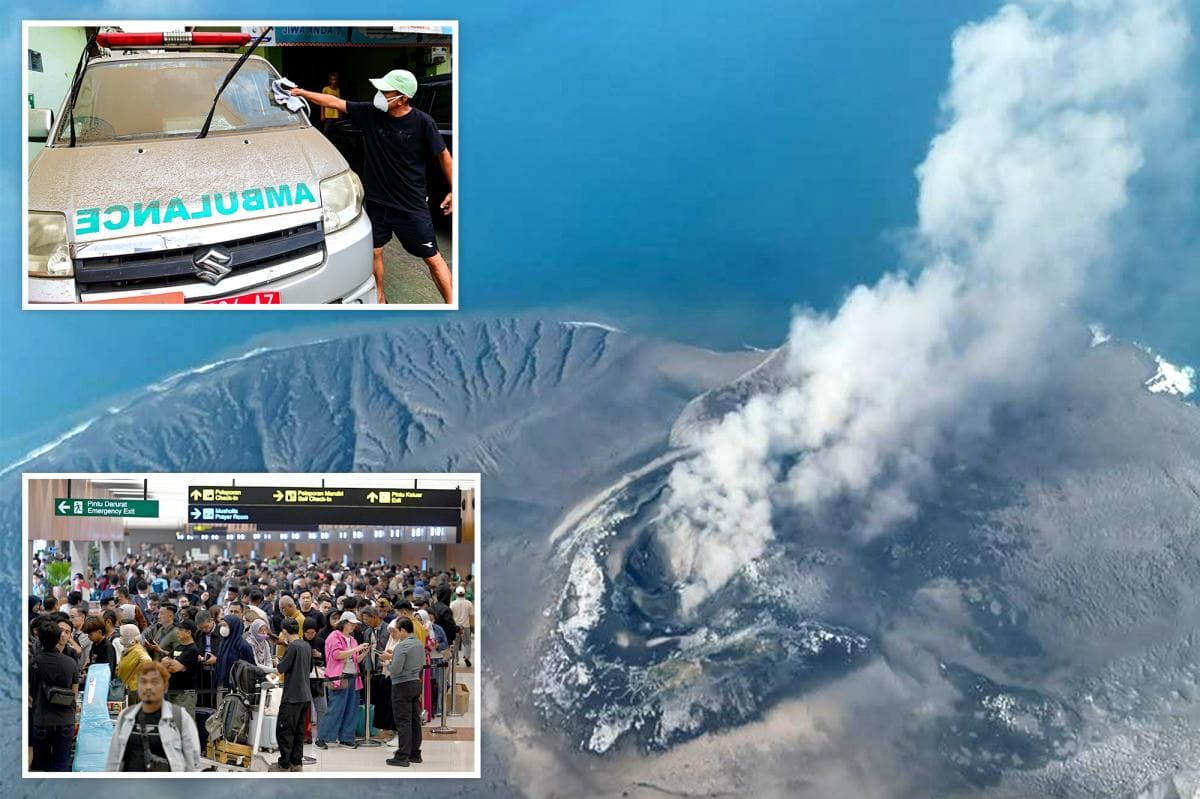
Satellite images reveal two mysterious new island formations near Mount Anak Krakatau following eruptions.
Anonymous
Key Points
1
The eruption is reported to have lasted from September 4 to September 6, 2026, and the two formations lie on opposite sides of the volcano, nearly along a line passing through its crater.
2
Indonesia’s Geological Agency has not verified the formations’ dimensions or their elevation above sea level.
3
The agency’s preliminary interpretation is that relatively fluid magma reached the surface through an elongated northwest–southeast opening, with erupted material building the offshore mounds.
4
University of Indonesia geoscientist Asri Oktavioni Indraswari said that if the formations are new active vents, it could mean volcanic activity is no longer limited to the volcano’s central conduit.
5
A researcher with Indonesia’s National Research and Innovation Agency said the southeastern formation aligns with an underwater rock remnant of Danan, one of Krakatoa’s former peaks.
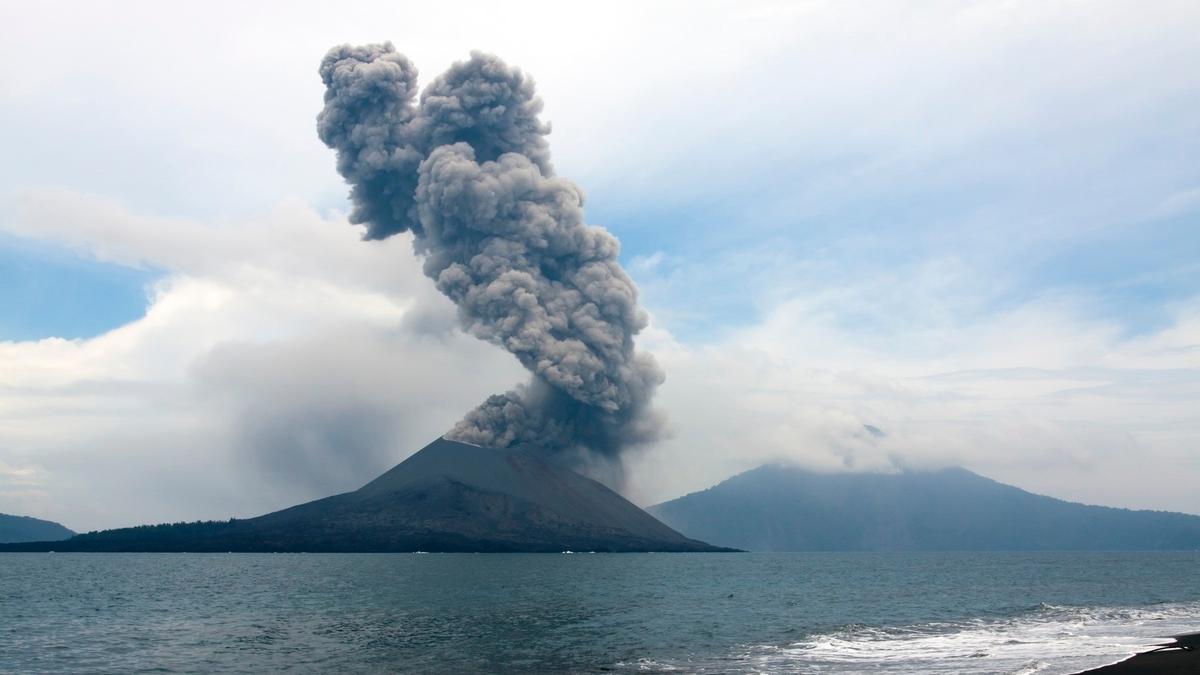
Two mysterious island-like formations have appeared near Mount Anak Krakatau after the volcano's intense 25-hour eruption in early September. Newsy Today reported that satellite images captured the mounds hundreds of meters from the volcano on opposite sides of its crater. Indonesian officials say they don't yet know if these are new volcanic vents or just piles of erupted rock.
The volcano sits at alert Level 2, and Northland News Radio notes the eruption expanded the volcano by 32.8 hectares (81 acres). Experts warn the formations could wash away like earlier landmasses in the caldera did before Anak Krakatau became permanent in 1930. People must stay at least 3 kilometers from the eruption center.
How Two Mounds Rose From the Volcano
The eruption raged from September 4 to September 6. Northland News Radio reports satellite imagery shows two formations sitting on nearly opposite sides of the volcano, aligned roughly through its crater. Indonesia's Geological Agency thinks relatively fluid magma pushed through a northwest-southeast opening and built the offshore mounds as it cooled and hardened.
But the agency hasn't confirmed the formations' exact size or how high they rise above sea level. The dimensions and origins remain a mystery, making it hard to predict how long these islands will last.
Possible Signs of a New Volcanic Opening
University of Indonesia geoscientist Asri Oktavioni Indraswari raised an important concern: if the formations are new active vents, volcanic activity may no longer be trapped inside the volcano's main pipe. This could signal a shift in how Anak Krakatau erupts. The discovery would mark a significant change in the volcano's behavior.
A researcher with Indonesia's National Research and Innovation Agency found something striking about the southeastern formation. It lines up with an underwater rock remnant of Danan, one of the original Krakatoa's former peaks that exploded in 1883. This alignment suggests the volcano's new activity may follow ancient geologic patterns.
Will These Islands Last or Disappear?
History offers a cautionary tale. Before Anak Krakatau became a lasting island in 1930, earlier mounds formed and then eroded away completely. The two new formations face the same risk. Waves and weather could wear them down in months or years.
Scientists now race to study these mounds before they potentially vanish. Each measurement and sample could unlock secrets about how this volcano works and whether it's fundamentally changing. Until then, Newsy Today reports experts remain in investigation mode, with the volcano still restricted from public access.
Sentiment
Mostly NegativeNEGATIVENEUTRALPOSITIVE
Publishers
10
Articles
37
Reach
47
A
AnonymousAuthor