Volcanic Ash Shuts Airports
Anak Krakatau Volcano Eruption Shuts Five Indonesian Airports and Disrupts Flights
Anonymous
Key Points
1
The eruption produced a fountain of lava and booming sounds reportedly audible as far as 700 kilometres away, while volcanology officials recorded two additional eruptions on Sunday.
2
Among the affected flights, the Makassar route had the most disrupted domestic movements, with 16 aircraft movements, while Singapore was the most affected international route, with 11 movements. International disruptions included 16 cancellations, seven delays and five rescheduled flights; four domestic flights were cancelled and one was diverted.
3
Indonesia’s meteorological agency reported that ash reached about 20,000 feet over the Java side of the volcano, while a plume as high as 50,000 feet was detected over the Sumatra side and parts of Banten province.
4
The airport closure was based on paper-test results from the Soekarno-Hatta Class I Meteorology Station, conducted between 6:05 and 6:35 a.m., that confirmed volcanic-ash dispersion in the airport area.
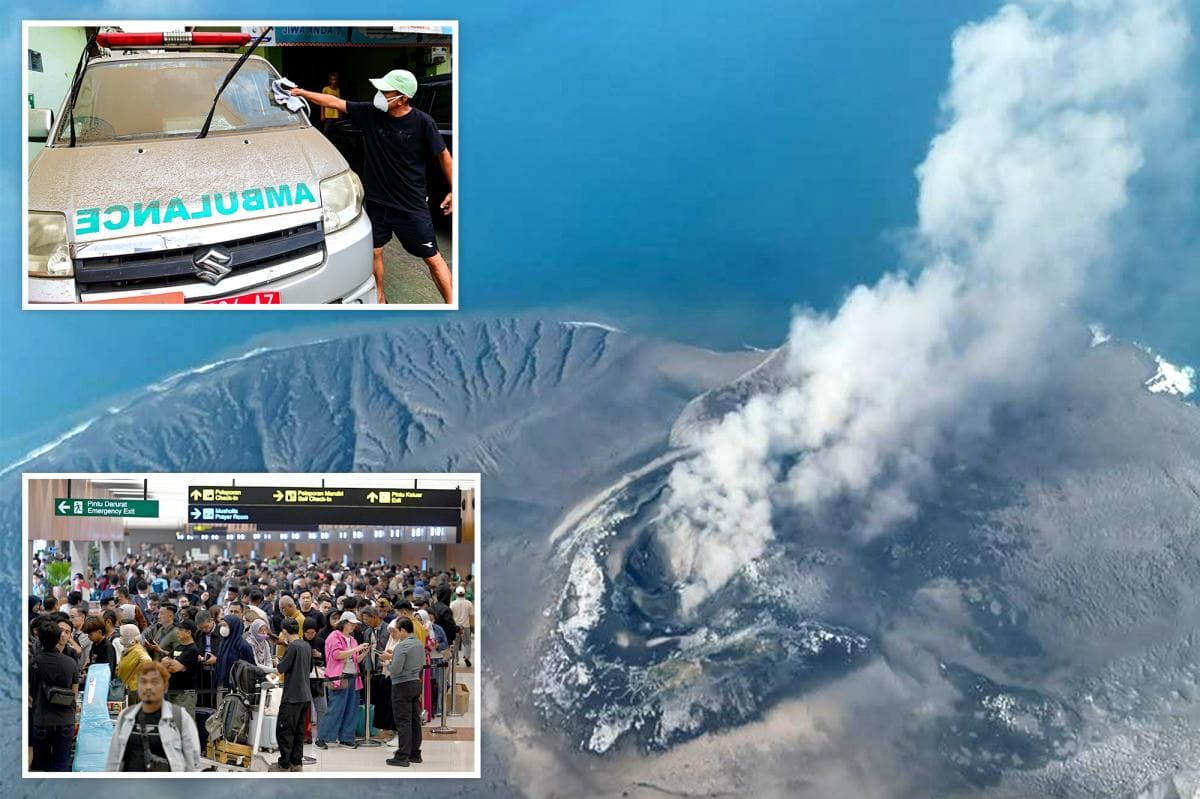
Anak Krakatau volcano erupted on September 6, sending ash across Java and Sumatra and forcing Indonesia to shut down five airports. The disruption affected 22,800 passengers and 209 flights at Jakarta's Soekarno-Hatta International Airport and four nearby hubs Albeu. Flights were cancelled, delayed, or diverted to other cities as volcanic ash blanketed the region.
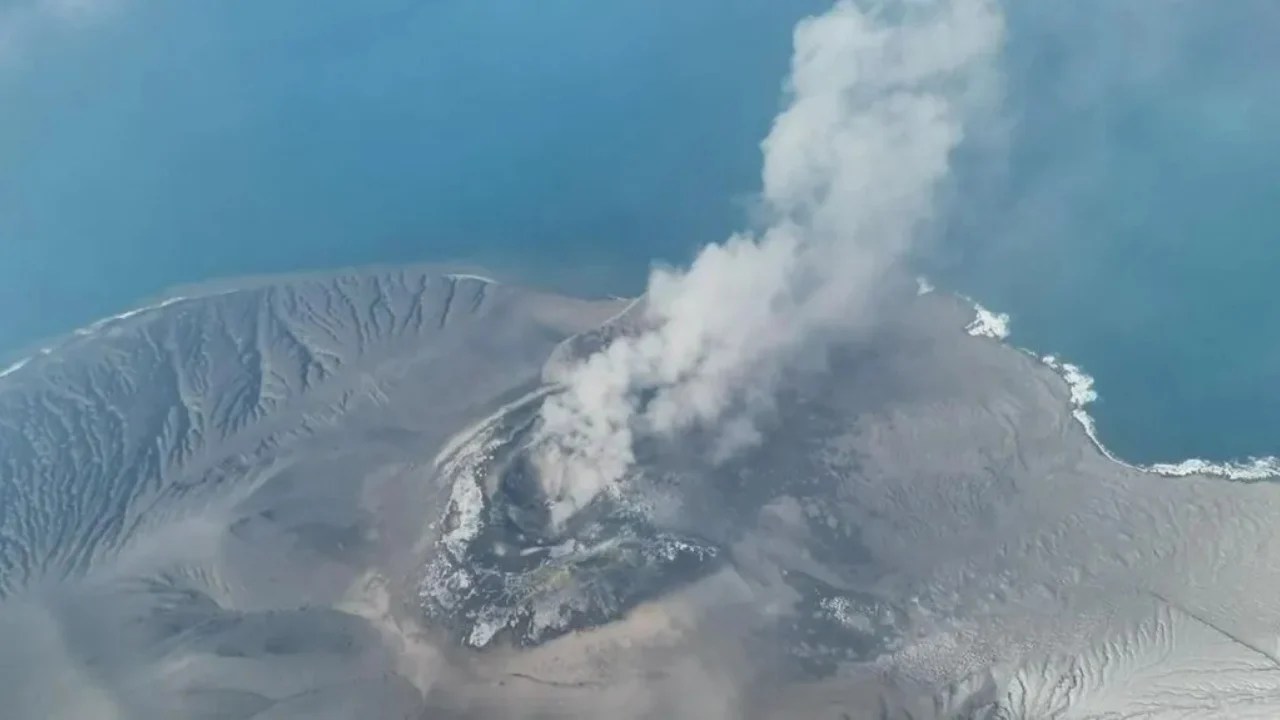
The eruption produced a fountain of lava with booming sounds audible up to 700 kilometers away SSB Crack. Authorities detected ash reaching 20,000 feet over Java and climbing to 50,000 feet over Sumatra and Banten province. Airport officials closed operations based on ash confirmed in the area between 6:05 and 6:35 a.m.
Lava Fountain and Ash Cloud Reach Extreme Heights
The eruption shot volcanic material high into the atmosphere on both sides of the volcano English News CN. On the Java side, ash climbed to about 20,000 feet. On the Sumatra side and in Banten province, the plume reached 50,000 feet — more than two and a half times higher.
The explosion was powerful enough to shake distant areas. Residents reported hearing booming sounds from as far away as 700 kilometers SSB Crack. Volcanologists recorded two additional eruptions on Sunday, showing the volcano remained active and dangerous.
Singapore Routes Hit Hardest Among International Flights
The Makassar route suffered the worst domestic disruption, with 16 aircraft movements affected Ozarab Media. Singapore, just across the strait from Indonesia, experienced the heaviest international impact with 11 flight movements disrupted. Sixteen international flights were cancelled, seven were delayed, and five were rescheduled Philstar Life.
On domestic routes, the damage was lighter but still notable. Four domestic flights were cancelled and one was diverted to another airport Philstar Life. The total of 209 disrupted flights shows how far the ash spread and how sensitive airline operations are to volcanic hazards.
Health Risks Force Schools and Fishermen to Close
Beyond airports, the volcanic ash affected daily life across the region SSB Crack. Residents reported eye irritation from the fine particles in the air. Schools suspended classes and fishermen stayed off the water, unable to work safely.
Disaster officials issued urgent guidance to protect people from harm Albeu. They advised residents to wear masks and eye protection, limit time outdoors, and exercise caution because ash reduced visibility to dangerous levels. Ships received warnings to stay at least three kilometers from the volcano, though authorities confirmed there was no immediate tsunami risk.
Authorities Monitor Ongoing Eruptions and Ash Dispersal
Indonesian officials kept airports closed as the volcano continued erupting English News CN. The Ministry of Transportation coordinated with airlines, airport operators, air-navigation services, and weather agencies to track ash movement in real time. Paper-test results from the Soekarno-Hatta Class I Meteorology Station confirmed volcanic-ash presence in the airport area.
The extended closure reflected the unpredictable nature of volcanic hazards SSB Crack. Airport officials could not safely resume flights until they confirmed the ash had cleared completely. The coordination among multiple agencies showed how seriously Indonesia treats aviation safety when volcanoes threaten its busiest airports.
Sentiment
Mostly NegativeNEGATIVENEUTRALPOSITIVE
Publishers
18
Articles
42
Reach
60
A
AnonymousAuthor