Emergency Landing After Cabin Damage
Sepehran Airlines Boeing 737 makes emergency return to Mashhad following severe cabin damage.
Anonymous
Key Points
1
The aircraft was identified as EP-FSU, a roughly 30-year-old Boeing 737-300 that first flew in July 1996.
2
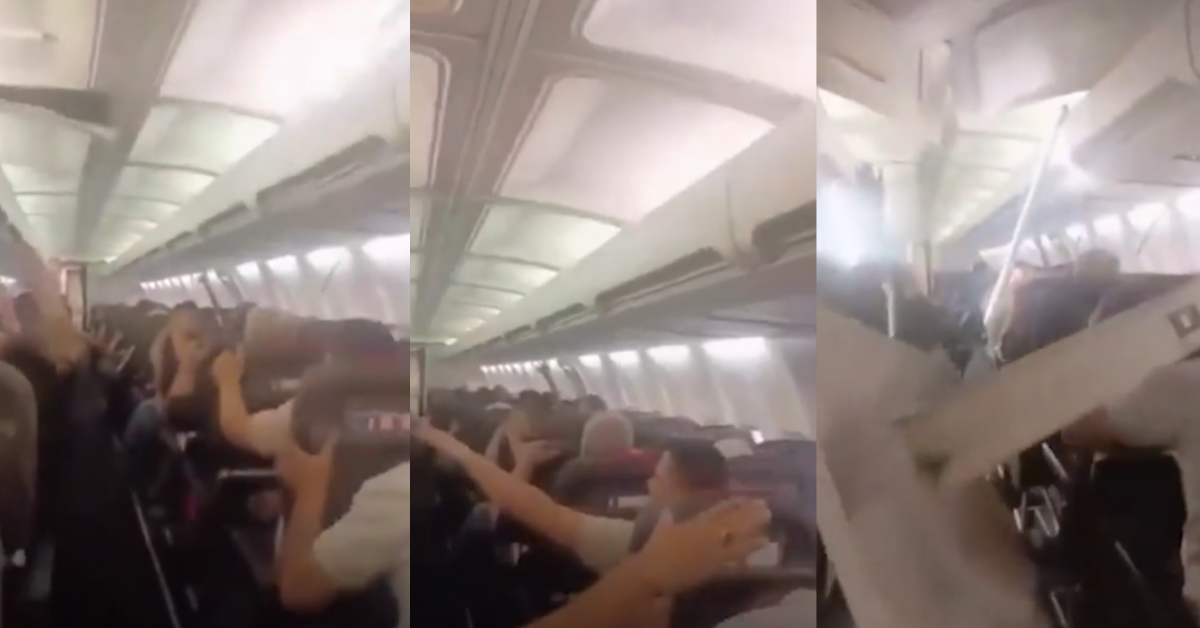
The cabin lights reportedly remained on while a long section of the interior ceiling hung over the seats, with visible damage also affecting overhead equipment.
3
Aviation analysis suggested that severe shaking—potentially from an unbalanced engine rotating assembly or jolts caused by a damaged tire—could have overloaded the cabin’s interior supports; the condition of the cabin itself may also have contributed to the panels coming loose.
4
The incident occurred days after the U.S. Treasury sanctioned Sepehran Airlines and other Iranian carriers, targeting companies accused of helping Iran obtain aircraft and aviation support. The Treasury also suspended certain safety-related licensing policies and authorizations involving Iran.
5
Sepehran Airlines is based in Mashhad, was founded in 2016 and had grown to a fleet of 13 aircraft, according to ch-aviation.
A Sepehran Airlines Boeing 737 returned to Mashhad, Iran, on September 15 after severe vibrations tore open the cabin ceiling and overhead bins during takeoff. Travel and Tour World reported that a tire tread separated from the landing gear, causing violent shaking that sent ceiling panels and luggage crashing down on passengers. All 137 passengers and crew evacuated safely with no injuries reported, though videos showed passengers screaming and praying as the aircraft shook violently before landing.
Thirty-Year-Old Aircraft Struggles During Takeoff
The aircraft involved, registered as EP-FSU, is a Boeing 737-300 that first flew in July 1996—making it roughly 30 years old. The North Lines reported that the plane's cabin lights stayed on as a long section of ceiling hung over the seats, with visible damage to overhead equipment and compartments. The aircraft was part of Sepehran Airlines' fleet of 13 aircraft, mostly older 737 variants based in Mashhad, Iran.
Vibrations Overloaded Worn Cabin Components
Aviation analysts say the violent shaking came from a defective landing gear shimmy damper—a component that reduces unwanted vibrations. WION News reported that once the tire tread separated, the resulting vibrations overpowered the cabin's interior supports. The plane's age and existing wear likely weakened overhead bins and ceiling latches, making them unable to withstand the intense mechanical stress.
U.S. Sanctions Restrict Iran's Aircraft Maintenance Access
Just six days before the incident, the U.S. Treasury sanctioned Sepehran Airlines and suspended safety-related licensing for aviation parts. Wake Up Singapore reported that international sanctions drastically limit Iran's access to original Boeing spare parts and modern maintenance equipment. These restrictions force Iranian carriers to operate aging aircraft with limited access to replacements and proper upkeep, creating compounding safety risks across the fleet.
Pattern of Recent Safety Incidents at Mashhad
This incident marks the second major mishap at Mashhad airport in less than a month. On August 25, another Sepehran Airlines Boeing 737-500 veered off the runway during landing at the same airport. Air Live reported that Iran's Civil Aviation Organization opened an investigation into the September 15 structural failure, though the exact cause of the cabin collapse and engine damage connection remains under review. The runway was temporarily closed for debris assessment before operations resumed.
Sentiment
Mostly NegativeNEGATIVENEUTRALPOSITIVE
Publishers
28
Articles
21
Reach
49
A
AnonymousAuthor


