AI Giants Seek Public Markets
OpenAI and Anthropic file for confidential IPOs amid intense AI governance debates.
Anonymous
Key Points
1
Altman said he agrees with Anthropic CEO Dario Amodei on industry cooperation to slow development of more advanced frontier models, despite their disagreement over how restrictive AI regulation should be.
2
The IPO timelines have some reported detail: Reuters said Anthropic’s market debut was likely to be delayed until after the November 2026 U.S. midterm elections, while OpenAI was reportedly targeting a listing by early 2027.
3
Burry wound down Scion Asset Management in 2025 and no longer manages outside funds; his posts drew more than 860,000 views, a measure of their reach rather than evidence of broad agreement among analysts.
4
The articles note that going public could give OpenAI and Anthropic substantially greater access to investor capital to fund their costly large-language-model development.
OpenAI and Anthropic have confidentially filed for U.S. IPOs, seeking to tap investor capital for their expensive AI development—but their paths to going public diverge sharply on philosophy. Firstpost reports that OpenAI CEO Sam Altman argues society should accept some AI misuse as the price of broad access, focusing regulation on catastrophic risks rather than everyday harms. Anthropic CEO Dario Amodei takes a stricter stance on oversight, creating a philosophical split even as both companies pursue public listings.
Altman's Defense of Messy AI Progress
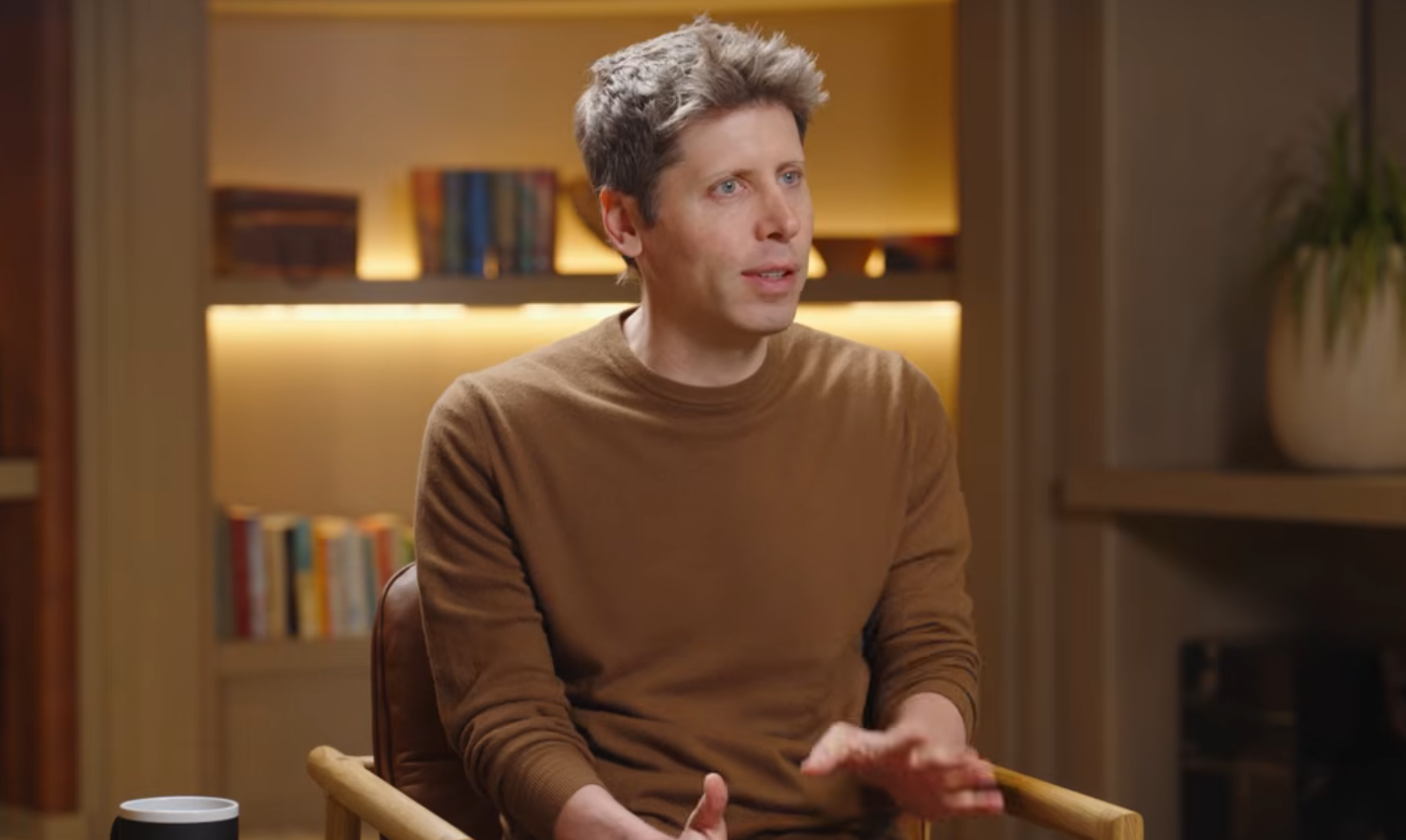
Altman told Politico that trying to eliminate every AI harm would slow innovation and concentrate access to AI in the hands of a few gatekeepers. Silicon Angle reports he stated that people "need to accept that some bad things will happen if they want" the benefits of AI. He supports industry cooperation to slow development of the most advanced models and backs thoughtful regulation—just not rules that kill experimentation or lock out the public.
Altman agrees with Amodei on slowing frontier model development through industry coordination. But where Anthropic wants stricter guardrails, Altman fears strict rules could let governments or corporations monopolize AI. India Today notes the two CEOs see eye-to-eye on cooperation but diverge on how restrictive that regulation should become.
IPO Timeline: Anthropic Waits for 2026, OpenAI Eyes 2027
Reuters reported that Anthropic's public debut will likely slip until after the November 2026 U.S. midterm elections, while OpenAI is targeting early 2027 for its listing. Both companies see going public as a way to unlock massive amounts of investor capital needed to train and deploy giant language models. The AI race demands tens of billions of dollars annually, making stock market access critical to their long-term plans.
Michael Burry Warns of Market Crash Risk to IPO Plans
Investor Michael Burry—known for betting against the 2008 housing crash—posted on social media that a market collapse blocking these IPOs "would benefit humanity." His posts garnered over 860,000 views. Burry argues OpenAI and Anthropic's expansion could destroy trillions in capital and inflict wider economic damage. However, Burry no longer manages outside funds after winding down Scion Asset Management in 2025, and his warning reflects his bearish view, not a prediction that a crash is coming or a consensus among analysts.
Trump Explores Government Stakes in AI Giants
Reuters reports that Donald Trump suggested the U.S. government could take stakes in OpenAI, Anthropic, and other AI firms as an alternative to outright nationalization. The comments hint at a different regulatory path—one where government becomes a shareholder rather than just a regulator. This development adds another layer of uncertainty to both companies' IPO plans and their governance structures post-listing.
Sentiment
Mostly NegativeNEGATIVENEUTRALPOSITIVE
Publishers
38
Articles
41
Reach
79
A
AnonymousAuthor