Election Chief Resignation Demanded
Youth Party Demands Election Chief Resignation Amid Mounting Voter-Roll Controversy
Anonymous
Key Points
1
CJP founder Abhijeet Dipke urged opposition parties to stop contesting elections they believe are rigged, arguing that participation legitimizes the process; he also criticized them for speaking out selectively depending on which state or party is affected.
2
The voter-list revision process reportedly resulted in the removal of about 130 million voters, according to The Daily Star’s account of the Indian Express report.
3
The CJP had recently staged successful youth demonstrations in July that led to the resignation of Modi’s education minister over exam-paper leaks, according to Reuters’ report.
4
Samajwadi Party chief Akhilesh Yadav alleged that vote theft cost his party a chance to form the government in Uttar Pradesh in 2022, and described election officials as acting like “puppets.”
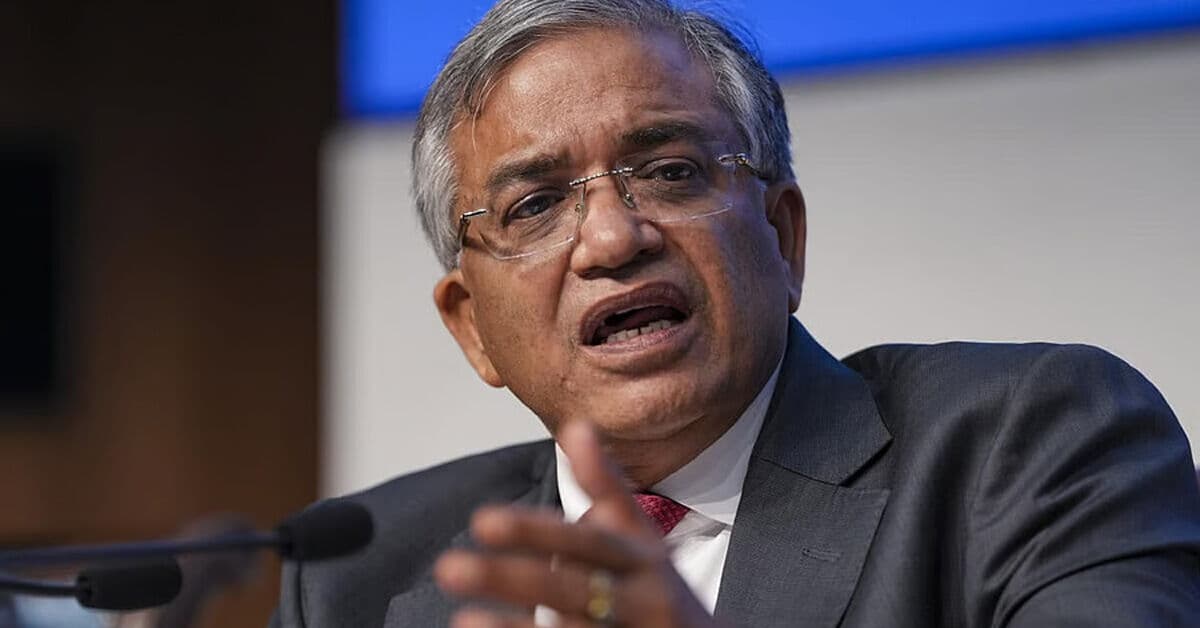
India's Cockroach Janta Party (CJP) has given Chief Election Commissioner Gyanesh Kumar 48 hours to resign, threatening nationwide protests starting October 2 if he refuses. Hindustan Times The ultimatum follows Indian Express revelations that two election commissioners filed 14 formal objections over 10 months about voter-roll changes that allegedly removed 130 million voters. The Daily Star
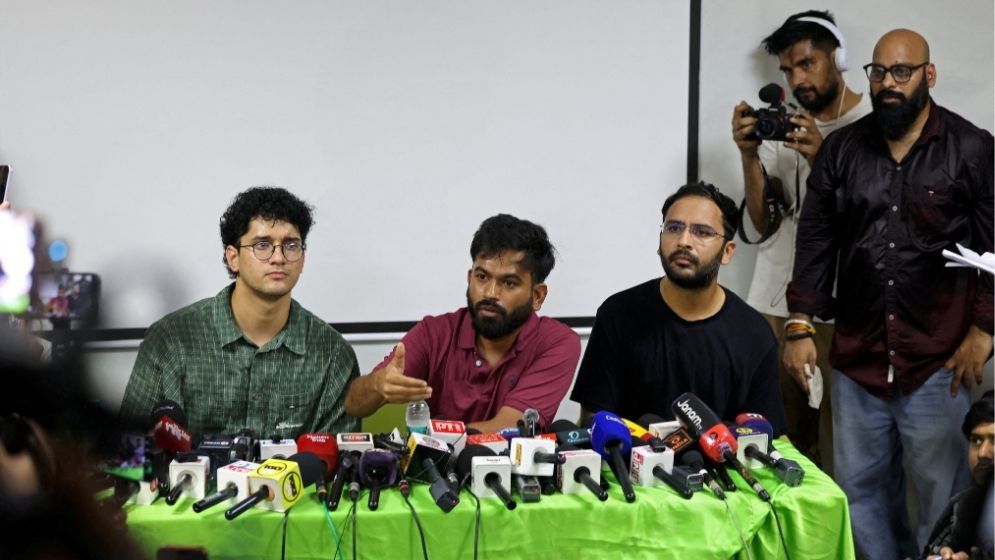
Opposition parties including Congress and the Samajwadi Party have also demanded Kumar's removal, alleging the changes favored Prime Minister Narendra Modi's BJP. Times of India The Election Commission denies wrongdoing, saying disagreements among commissioners are normal. Business Today CJP founder Abhijeet Dipke previously led successful youth protests in July that forced Modi's education minister to resign over exam-paper leaks.
How the CJP's Youth Movement Forced Recent Government Resignations
The Cockroach Janta Party emerged as a powerful activist force in June 2026. Daily Sabah CJP founder Abhijeet Dipke organized mass protests at Delhi's Jantar Mantar over biomedical exam-paper leaks. Reuters The demonstrations pressured Modi's education minister to step down within weeks. Daily Sabah This success gave CJP credibility to mobilize youth voters around electoral integrity issues today.
Dipke's October 2 deadline signals CJP's confidence it can replicate that impact on a national scale. The party plans "Jantar Mantar 2.0" agitation starting in Mumbai and spreading across major cities. Daily Sabah CJP's youth base proved it can sustain large street mobilizations without traditional party infrastructure.
Why Two Election Commissioners Formally Opposed Their Own Chief
Indian Express revealed that Election Commissioners Sukhbir Singh Sandhu and Vivek Joshi filed 14 written objections against Chief Election Commissioner Gyanesh Kumar in 10 months. The dissent centered on voter-roll revisions under the Special Intensive Revision (SIR) program affecting 19 states. Indian Express The two commissioners alleged that Kumar's office centralized voter database management in Delhi, bypassing local election officers and modifying voter registration forms without proper legal amendments.
Sandhu and Joshi also approached India's Cabinet Secretary over database security concerns. Indian Express In response, the Election Commission issued a statement calling internal disagreements "a normal part of deliberation in any institution" and claimed all decisions were unanimous. Business Today The public contradiction between commissioners suggests deep institutional fractures rarely seen in India's supposedly independent election body.
Opposition Leaders Allege Vote Theft Across Multiple States
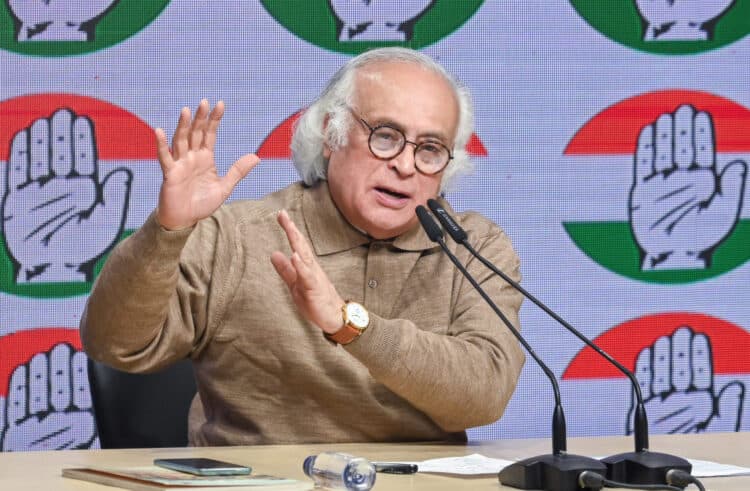
Congress and Samajwadi Party leaders have escalated accusations of electoral manipulation. Hindustan Times Samajwadi Party chief Akhilesh Yadav alleged that systematic vote theft cost his party the chance to form the Uttar Pradesh government in 2022, describing election officials as "puppets." Times of India Congress leader Rahul Gandhi called elections "rigged" and announced a parliamentary removal motion against Chief Election Commissioner Kumar under India's Constitution.
The scale of voter removals fuels these claims. The Daily Star reports 130 million voters were deleted from electoral rolls across three revision phases. Indian Express documented 97 voters in Goa found eligible by local officials who disappeared from final published rolls after software blocks controlled from Delhi blocked their entries. These patterns suggest systematic exclusion rather than routine administrative corrections.
CJP Pushes Opposition Parties to Boycott Elections Entirely
CJP founder Abhijeet Dipke took a more radical stance than traditional opposition parties. Times of India He urged opposition parties to stop participating in elections they believe are rigged, arguing that their participation legitimizes a false democracy. Times of India Dipke stated: "When you continue to participate in rigged elections, you legitimise these elections and help maintain the illusion that they are free and fair."
He also criticized opposition leaders for selective outrage, calling them out only when their own parties lose. Times of India This boycott argument reflects CJP's view that India's electoral system is too compromised to reform from within. It marks a sharp departure from Congress and Samajwadi Party demands for Kumar's resignation and investigations—approaches that implicitly accept the system's salvageability.
Sentiment
Mostly NegativeNEGATIVENEUTRALPOSITIVE
Publishers
38
Articles
37
Reach
75
A
AnonymousAuthor