Rising California Sea Levels
Pacific Kelvin wave approaches California, potentially raising coastal sea levels this winter.
Anonymous
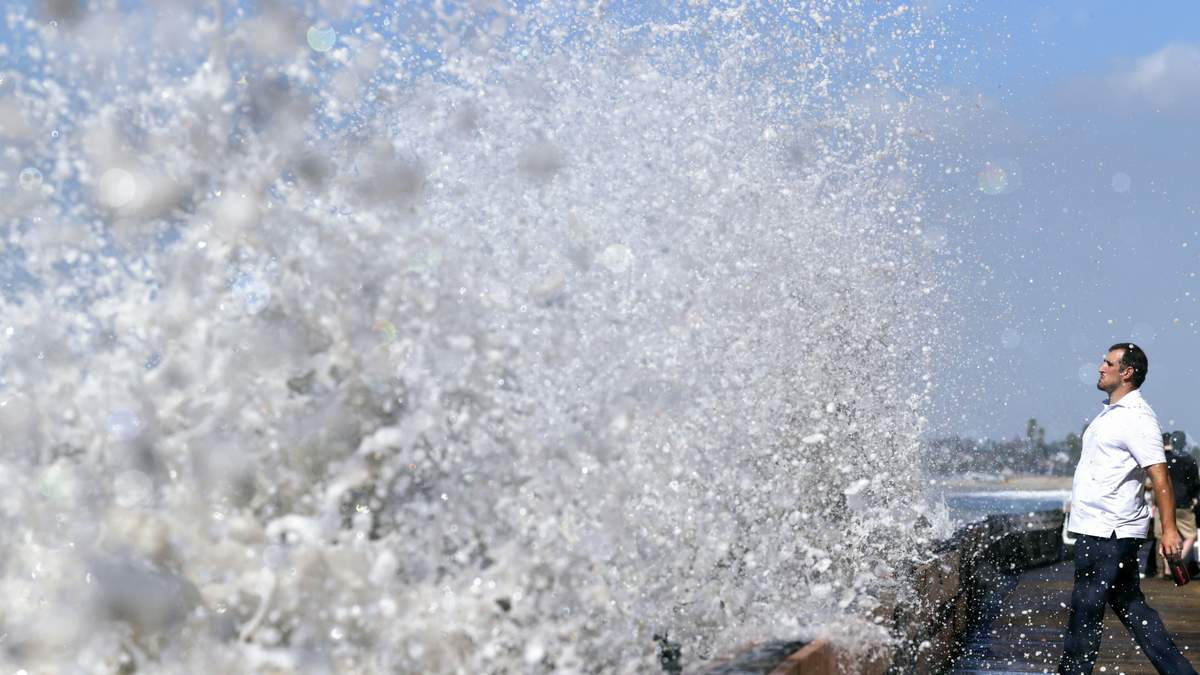
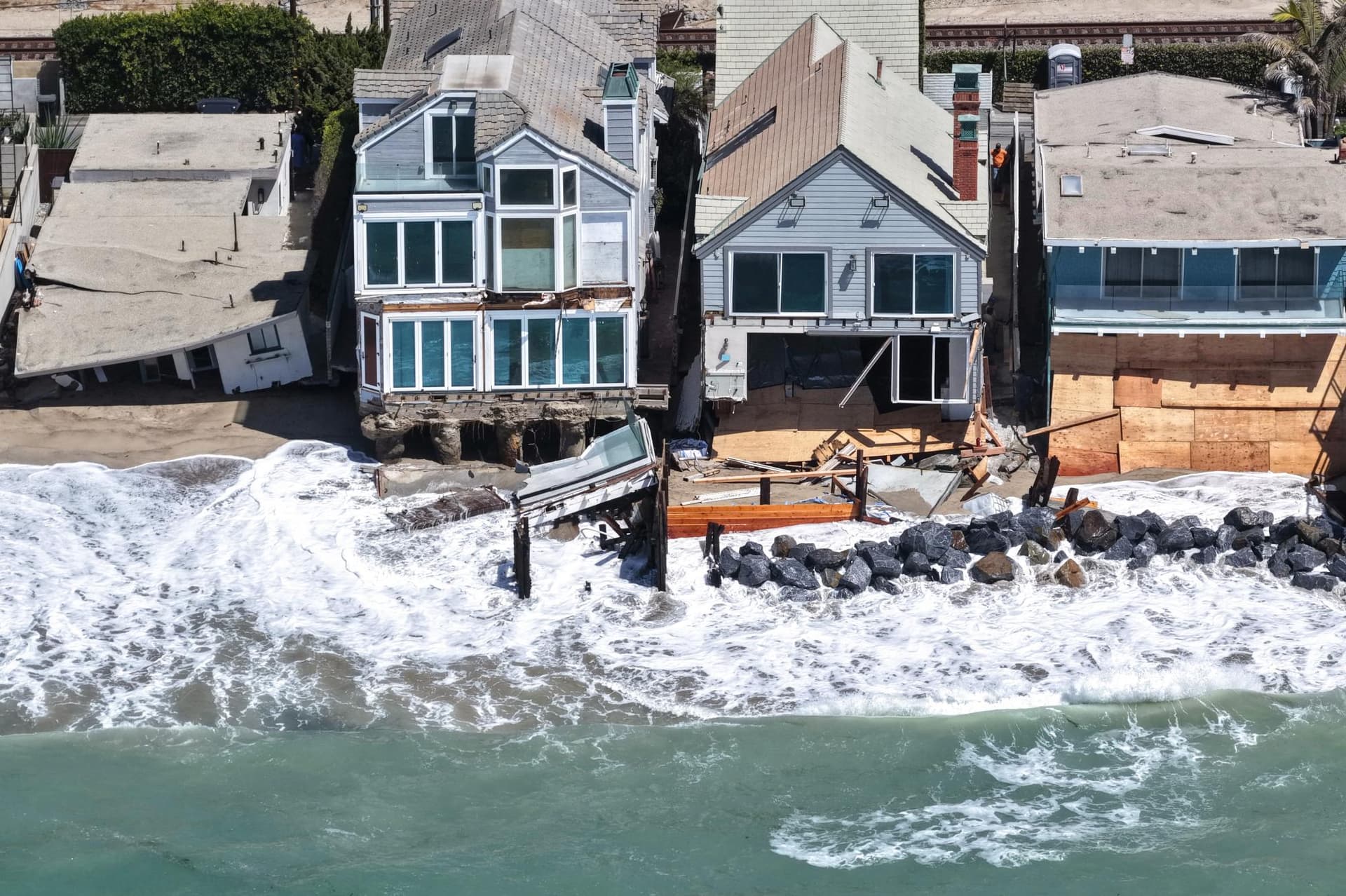
A large, slow-moving Pacific Kelvin wave linked to a strengthening El Niño is moving toward California and could raise coastal sea levels by up to about a foot for months. The wave forms when weakened or reversed trade winds allow warm water to move east across the Pacific, then north and south along the Americas; it is not a breaking surf wave and is not expected to flood the coast by itself. Scientists warn the higher baseline could worsen flooding, erosion and storm-surge impacts when winter storms coincide with high tides, including seasonal king tides. The added risk may persist through winter and into early next year, though the precise effects remain uncertain.
Key Points
1
The Kelvin wave reached the northern tip of South America in late August and scientists expect it to reach California within days.
2
Scientists say the developing El Niño could be the largest in at least 1,000 years.
3
The added threat comes on top of roughly 8 inches of sea-level rise along the coast over the past century.
4
California Governor Gavin Newsom declared a state of emergency to mobilize resources, while the California Coastal Commission advised residents in exposed areas to inspect vulnerable sites and drainage systems and prepare for adverse weather.
5
NOAA researcher Nate Mantua cautioned that forecasts cannot capture every consequence of the wave, saying, “We can predict a lot of the impacts, but not all.”
Sentiment
Mostly NegativeNEGATIVENEUTRALPOSITIVE
Publishers
11
Articles
121
Reach
132
Topics
A
AnonymousAuthor