California El Niño Emergency
California Declares State of Emergency as Historic El Niño Winter Threatens Coast
Anonymous
Key Points
1
The emergency proclamation explicitly links the threat to climate change, saying it is intensifying California’s swings between drought and flooding and increasing risks to communities, infrastructure, natural resources and the economy.
2
NOAA reported that sea-surface temperatures in the east-central equatorial Pacific were averaging 2.1 degrees Celsius above normal, a level that would place the event in the “very strong” category if it persists.
3
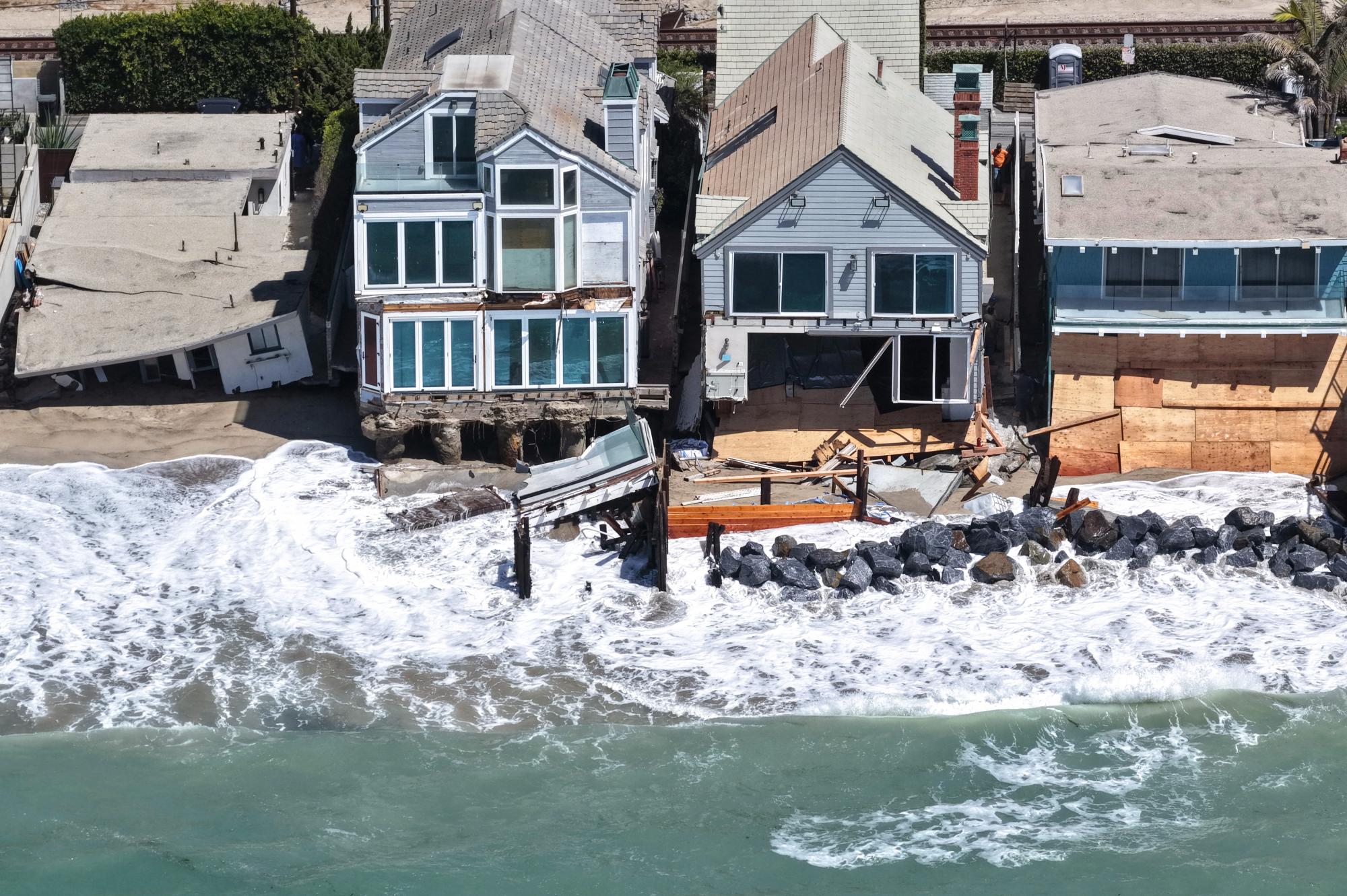
The emergency follows a specific recent impact: swells from Hurricane Marie produced surf up to 10 feet, breached a Long Beach seawall and prompted evacuations of oceanfront homes in Long Beach, Malibu and Dana Point.
4
Officials have also pointed to coastally trapped Kelvin waves, which are already raising sea levels along California’s coast and adding to the flooding risk before the main winter storm season begins.
5
El Niño occurs naturally every two to seven years and is driven by changes in equatorial Pacific winds, ocean temperatures and thunderstorms that redistribute heat and energy through the atmosphere.
California Governor Gavin Newsom declared a statewide emergency to prepare for a potentially historic El Niño that could bring severe winter storms, coastal flooding, and landslides IBTimes. The proclamation directs state agencies to stage sandbags, pumps, and flood-response equipment while preparing road closures, snow-removal resources, and the California National Guard for search-and-rescue operations LAMag.
Federal forecasters say there is a high probability the event will be classified as very strong, with an exceptional chance it could reach historic strength AOL. Ocean waters in the east-central Pacific are already averaging 2.1 degrees Celsius above normal, a level that signals dangerous conditions ahead of winter Guardian.
Recent Storm Damage Forces Swift Action
The emergency declaration follows immediate coastal damage from Hurricane Marie. Swells reached 10 feet and breached a Long Beach seawall, forcing evacuations of oceanfront homes in Long Beach, Malibu, and Dana Point IBTimes. These impacts exposed California's vulnerability to the larger El Niño event now forming.
Sea levels along California's coast are already rising due to coastally trapped Kelvin waves. This elevation adds to flooding risks before the main winter storm season even begins Guardian. Officials warn that worse conditions are still months away.
Extreme Ocean Warming Signals Dangerous El Niño
Sea-surface temperatures in the east-central equatorial Pacific are averaging 2.1 degrees Celsius above normal. This level places the event firmly in the "very strong" category and suggests potential historic intensity LAMag. Water this warm drives atmospheric changes that create severe weather across North America.
El Niño occurs naturally every two to seven years and is driven by changes in equatorial Pacific winds, ocean temperatures, and thunderstorms that redistribute heat through the atmosphere AOL. The current warming is being amplified by climate change, intensifying California's swings between drought and flooding.
Governor Mobilizes Resources Across State
Newsom's proclamation directs state agencies to stage sandbags, pumps, and emergency flood-response equipment across California Guardian. Officials are preparing road closures and expanding multilingual public alerts to reach vulnerable communities before dangerous weather arrives.
The California National Guard is being positioned for search-and-rescue operations and logistical support IBTimes. State officials emphasize this action is preventive, designed to support communities and first responders before the worst storms hit LAMag.
Sentiment
Mostly NegativeNEGATIVENEUTRALPOSITIVE
Publishers
47
Articles
349
Reach
396
A
AnonymousAuthor


