Court Rulings Impact Voting And Visas
Supreme Court Rejects Mail-In Ballot Plan While Federal Judge Halts Visa Restrictions
Anonymous
Key Points
1
The blocked visa rule would have affected roughly 1.6 million current F-visa holders and 500,000 J-visa holders, with especially large concentrations of foreign graduate students at institutions such as MIT and Harvard.
2
Judge Saylor said the longstanding duration-of-status system had enabled tens of millions of foreign students and researchers to study and work in the United States over nearly five decades, producing “groundbreaking research in science, medicine, and technology” and substantial economic growth.
3
The court’s order prevents the rule from taking effect on schedule while the underlying legal challenge proceeds; the Department of Homeland Security had not immediately commented on the decision.
4
Saylor, who was appointed by Republican President George W. Bush, said the July DHS policy would substantially restrict the overall number of foreign students, professors and journalists in the United States—not merely impose new deadlines on existing visa holders.
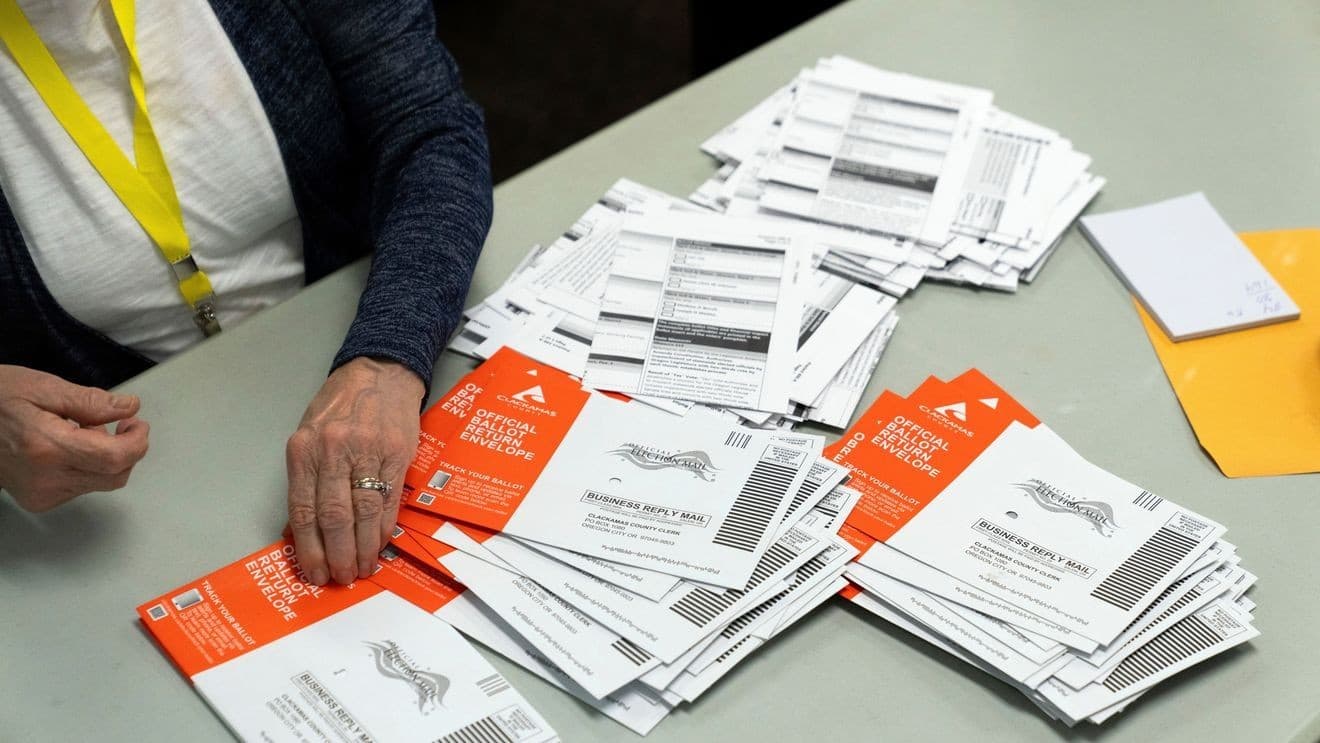
Federal courts blocked two Trump administration policies on September 14. A Boston judge halted a rule capping international student visas at four years, saying the Department of Homeland Security offered "exceptionally weak" justifications LiveMint. The same day, the Supreme Court rejected the administration's emergency request to let the Postal Service enforce new mail-ballot requirements before November's midterm elections DailyCaller.
Judge F. Dennis Saylor IV, appointed by Republican President George W. Bush, said the longstanding "duration of status" system had enabled tens of millions of foreign students and researchers to produce "groundbreaking research in science, medicine, and technology" over nearly five decades LiveMint. The Supreme Court majority wrote that the government is "unlikely to succeed on the merits" of its ballot-rule challenge DailyCaller.
Judge Blocks Four-Year Visa Cap for International Students
The DHS rule would have replaced the 50-year-old "duration of status" framework with fixed caps: four years for most foreign graduate and undergraduate students, 240 days for foreign journalists, and 90 days for Chinese journalists LiveMint. Judge Saylor issued a nationwide preliminary injunction one day before the rule was set to take effect on September 15 Hoodline.
The policy affects roughly 1.6 million F-visa holders and 500,000 J-visa holders, with large concentrations at institutions like MIT and Harvard LiveMint. Judge Saylor warned that a single DHS official would hold unchecked power to "cut short the academic, research, or teaching activities of any non-U.S. citizen for no reason or any reason" LiveMint.
Supreme Court Rejects Mail-Ballot Envelope Rules
The Trump administration asked the Supreme Court to allow the Postal Service to enforce new mail-ballot requirements: standardized envelope designs, barcodes, and state voter-data uploads DailyCaller. The USPS would have had authority to refuse ballot mail from non-compliant states, potentially leading to legitimate ballots being rejected DailyCaller.
The Supreme Court majority denied the request in a brief order, saying the government is "unlikely to succeed on the merits." Justice Brett Kavanaugh concurred separately, writing that implementing changes 50 days before the election would be "arbitrary and capricious" DailyCaller.
DHS Defends Visa Restrictions as Fraud Prevention
DHS General Counsel James Percival criticized Judge Saylor's order, claiming ICE must now "permit this rampant abuse of our immigration system" where individuals can "come on a student visa, take one class per semester, and stay here for decades." The administration framed both policies as necessary to combat visa fraud and enforce election integrity LiveMint.
Universities and labor groups argued the visa rule would harm research, physician training, and the economy. California Governor Gavin Newsom praised the Supreme Court's ballot ruling, saying it provides "certainty when it comes to our country's electoral process: Voting is safe, vote-by-mail is accessible" DailyCaller.
Sentiment
Mostly NegativeNEGATIVENEUTRALPOSITIVE
Publishers
122
Articles
547
Reach
669
A
AnonymousAuthor