Community Gun Violence Prevention
Communities Nationwide Pursue Broader Gun Safety Measures and Youth Violence Prevention
Anonymous
Key Points
1
In Waikiki, police said two 17-year-old boys and a 16-year-old boy were arrested after gunfire near the International Marketplace at about 11:45 p.m.; no one was injured. The incident followed other Hawaii cases, including a 12-year-old found with a gun in his backpack and a fatal shooting in Kailua.
2
Honolulu Deputy Prosecuting Attorney Tiffany Kaeo said young people are subject to the same firearm-possession and use laws as adults, although juvenile cases go through family court. She also identified access to so-called ghost guns as an issue needing attention.
3
Colorado Faith Communities United described a rapid-response network that mobilizes members when the state legislature considers bills the group has taken a position on. Organizers said building interfaith relationships also helps avoid duplicating services and turn concern into action.
4
The Houston coalition was announced after three recent incidents: the fatal shooting of a Westbury High School senior, the killing of a 15-year-old Westfield High School student, and a shooting that struck a 12-year-old boy in Cypress. The Forgotten Third said its wraparound services for shooting survivors are intended in part to help prevent retaliation.
Recent shootings involving teenagers and children in Hawaii and Houston have sparked renewed focus on how minors access firearms and what communities can do to stop gun violence. The Garden Island reported that a 17-year-old, another 17-year-old, and a 16-year-old were arrested after gunfire erupted near Waikiki's International Marketplace, with no injuries reported. The incidents have pushed local officials and community groups to examine existing laws and build coordinated prevention efforts.
In Houston, nine organizations launched One Safe HTX to coordinate mental-health support, youth intervention, and survivor services after three recent shootings killed or injured children and teens. Meanwhile, faith-based groups in Missouri and Hawaii are building cross-denominational partnerships to mobilize communities around gun-violence prevention. A firearms trainer also argues that armed professionals need to reassess and update safety training based on new evidence.
How Young People Access Guns in Hawaii
Honolulu prosecutors say existing firearms laws already allow them to charge juveniles the same as adults for gun possession and use—though juvenile cases proceed through family court rather than criminal court. Honolulu Deputy Prosecuting Attorney Tiffany Kaeo told advocates that identifying where young offenders obtain guns is critical to finding gaps in prevention. The Garden Island reported that Hawaii also faces a growing concern about so-called ghost guns—untraceable firearms made without serial numbers—that juveniles can access more easily than registered weapons.
Houston Launches Nine-Organization Coalition Against Gun Violence
One Safe HTX was announced after three devastating incidents: the fatal shooting of a Westbury High School senior, the killing of a 15-year-old Westfield High School student, and a shooting that wounded a 12-year-old in Cypress. The coalition coordinates mental-health support, youth intervention, survivor services, and violence-prevention efforts across the region. The Arms Control Association notes that wraparound services for shooting survivors—including counseling and retaliation prevention—are essential to breaking cycles of youth gun violence.
Faith Groups Build Rapid-Response Networks for Gun Prevention
Colorado Faith Communities United has created a rapid-response network that mobilizes members when state legislators consider bills the group supports. Organizers say building interfaith relationships strengthens the movement by avoiding duplicate services and converting community concern into sustained action. This model shows how churches, synagogues, mosques, and other faith groups can work together on a shared issue despite theological differences. Similar partnerships are now emerging in Missouri and Hawaii to coordinate local gun-violence prevention efforts.
Firearms Trainers Call for Modernized Safety Practices
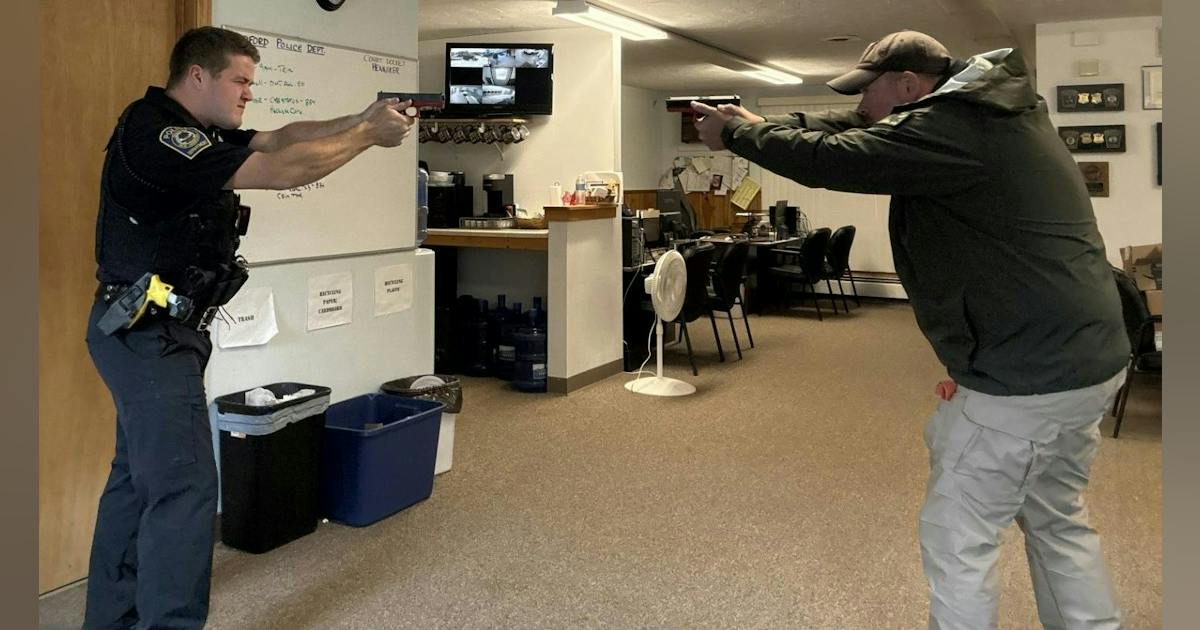
Officer.com published an argument that armed professionals should critically reassess outdated firearms training and safety doctrine. The author contends that traditional gun-handling rules, taught to police and other professionals for decades, need updating when evidence and operational conditions support better approaches. This shift reflects a broader recognition that gun-safety culture must evolve to address modern threats and tactical realities.
Sentiment
Mostly NegativeNEGATIVENEUTRALPOSITIVE
Publishers
16
Articles
5
Reach
21
Topics
A
AnonymousAuthor


