Davey Denies Lib Dems Struggling for Relevance
Davey Denies Lib Dems Struggling for Relevance
Anonymous
Key Points
1
Ipsos found that only 50% of people who voted Liberal Democrat in 2024 would support the party again in 2026; 23% said they would switch to parties on the left and 15% to parties on the right. The party was polling at about 9%, behind Reform UK, Labour, the Conservatives and the Greens.
2
The Ipsos survey found that 53% of Liberal Democrat members were satisfied with Ed Davey, while 14% were dissatisfied and 33% were unsure, giving him a net satisfaction rating of +39—below the ratings recorded for several other party leaders among their own members.
3
Ed Davey defended the party’s electoral position by arguing that the Liberal Democrats now run more local councils than the Conservatives, saying: “If you look at our election results up and down the country, we now run more councils than the Conservatives.”
4
Roz Savage’s criticism was framed as a call for the party to stop being “the polite custodians of a system that leaves people feeling powerless” and instead recover an “insurgent spirit”; she also said the party needed to develop a “coherent picture of the country we are trying to create.”
5
YouGov found that 43% of respondents were unclear about what the Liberal Democrats stood for, while just over half described the party as weak. Davey said the party had a distinctive position, including proposals to rejoin the European single market and customs union as part of its economic strategy.
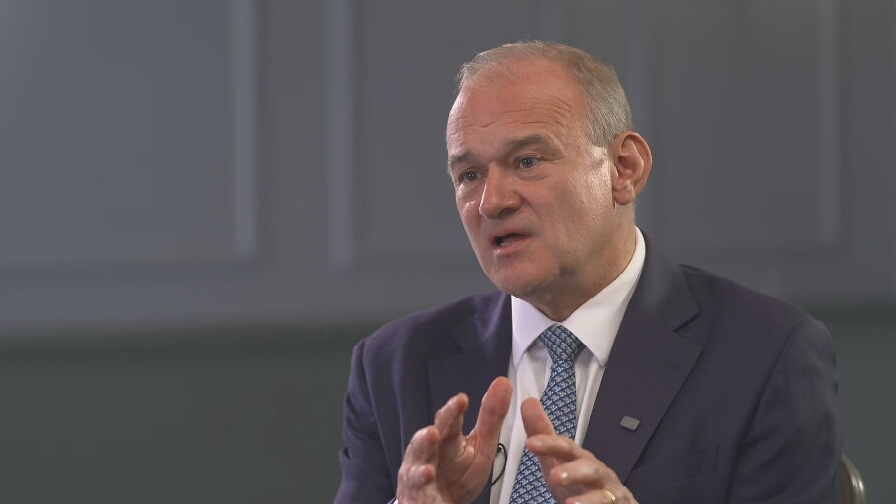
The Liberal Democrats are fighting back against claims of irrelevance, with party leader Ed Davey insisting the party is united and growing stronger. Yet new polling suggests the party faces a credibility challenge: only 50% of voters who backed the Lib Dems in 2024 plan to support them again, with nearly a quarter switching left and 15% going right Ipsos.
The party is also struggling on messaging. A YouGov survey found 43% of voters don't know what the Lib Dems stand for, while just over half see the party as weak. Internal critics, including MP Roz Savage, have called for the party to drop its 'polite custodian' image and recover an 'insurgent spirit' focused on bold economic and social change.
Davey Points to Council Wins as Sign of Growth
Davey rejected the idea that the party is fading. He pointed to local election results, saying the Lib Dems now control more councils than the Conservatives. The party is using its conference in Brighton to sharpen messaging on the NHS, the economy, and asylum backlogs Herald Scotland.
The party is also proposing a 10p fuel duty cut until at least Christmas and plans to rejoin the European single market and customs union as part of an economic revival strategy. Davey argued these positions give the party a distinctive voice in British politics.
Member Satisfaction Lags Behind Other Party Leaders
Within the party itself, support for Davey is mixed. An Ipsos survey found that 53% of Lib Dem members were satisfied with him, while 33% were unsure. His net satisfaction rating of +39 trails the ratings recorded for several other party leaders among their own members, signaling internal unease about direction.
Savage Calls for Party to Shed Cautious Image
MP Roz Savage's recent criticism underscored the party's identity crisis. She said the Lib Dems had become 'the polite custodians of a system that leaves people feeling powerless.' Savage demanded the party develop a 'coherent picture' of the country it wants to build and recover the bold, anti-establishment energy that once defined it.
Room to Grow if Message Sharpens
Analysts say the Lib Dems have untapped potential. A larger share of voters remains open to supporting the party than currently does. But converting that potential into durable backing requires clearer messaging about what the party stands for and more substantive policy engagement beyond election-season stunts. The party's conference agenda suggests it's trying to do exactly that.
Sentiment
Mostly NegativeNEGATIVENEUTRALPOSITIVE
Publishers
14
Articles
69
Reach
83
A
AnonymousAuthor


