WNBA Suspends Storm Co-Owner
Seattle Storm Co-Owner Suspended After Abusing Teen Fans Amid Transgender Sports Debate
Anonymous
Key Points
1
Video and eyewitness accounts describe a confrontation inside Climate Pledge Arena where a man repeatedly told two Sophie Cunningham supporters to “get out” and to “take the trash out,” with witnesses noting Storm players directed thumbs-down gestures toward the girls.
2
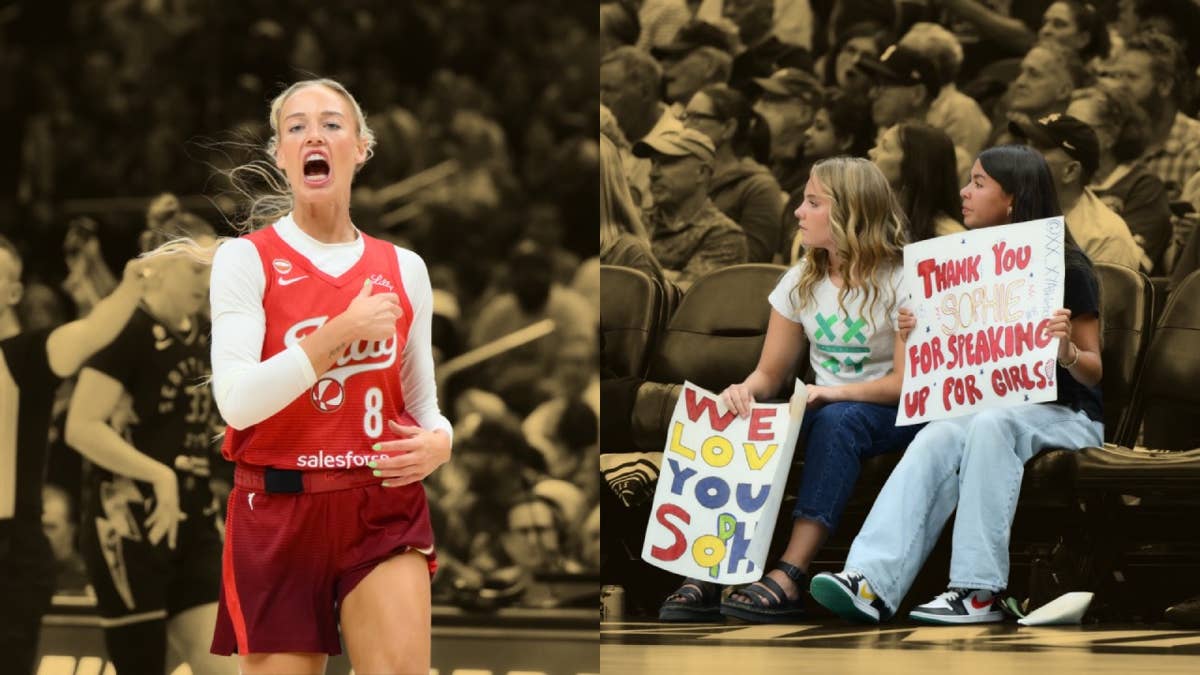
The two teenage Cunningham supporters wore XX-XY Athletics shirts and held signs thanking Cunningham for speaking up for girls, a detail highlighted by multiple outlets to illustrate the gender-policy debate surrounding the game.
3
Stefanie Dolson, Seattle Storm center, attended the game wearing a shirt that stated “Trans rights are human rights,” signaling visible support for transgender rights amid the broader discussion sparked by Cunningham’s comments.
4
Outside the arena, Cunningham supporters staged a pre-game rally, reflecting a broader demonstration landscape around the game and the issue of transgender participation in women’s sports.
5
Coverage situates the incident within a larger national debate on transgender participation in women’s sports, referencing developments such as a June Supreme Court ruling on the issue and accompanying public discourse.
Seattle Storm co-owner Celeste Keaton verbally abused two teenage fans at a Storm-Indiana Fever game, calling them "fucking insane" and reducing at least one to tears, according to Essential Sports and Bro Bible. The WNBA responded by suspending Keaton from the next five Storm home games. The Storm organization also issued a public apology for her conduct.
The two girls were wearing XX-XY Athletics shirts and holding signs thanking Indiana Fever guard Sophie Cunningham for speaking up for women in sports. The incident ignited a fierce national debate about fan conduct, transgender participation in women's sports, and accountability inside the WNBA.
Keaton Targets Teenage Fans Over Pro-Cunningham Signs
The confrontation happened inside Climate Pledge Arena in Seattle. The two teens held signs thanking Cunningham for her public stance against transgender athletes competing in women's sports. Keaton, a minority co-owner of the Storm, approached them and called them "fucking insane," according to Essential Sports. At least one of the girls cried.
The girls were not alone in being targeted. The Gateway Pundit reported that a man near them repeatedly told the teens to "get out" and to "take the trash out." Witnesses also said Storm players appeared to direct thumbs-down gestures at the two supporters during the game.
WNBA Suspends Keaton, Storm Issues Apology
The WNBA handed Keaton a five-game suspension, banning her from attending the next five Storm home games. The Storm franchise separately issued an apology for her behavior. Bro Bible noted the swift punishment came after video of the confrontation spread widely online and drew public backlash.
Cunningham herself responded to the incident. Basketball Network reported she called Keaton's behavior "truly embarrassing" and criticized her for intimidating young fans. Cunningham framed the episode as proof that girls who support women's sports face real hostility.
Cunningham's Trans Sports Comments Fuel the Fire
The incident did not happen in a vacuum. Cunningham had made public comments opposing transgender athletes competing in women's sports, sparking outrage before tip-off. The Comeback reported her remarks drew wide criticism and set a charged tone for the game in Seattle.
Outside the arena, Cunningham supporters held a pre-game rally. Inside, Storm center Stefanie Dolson wore a shirt reading "Trans rights are human rights," a visible counter-statement to Cunningham's position. The game became a flashpoint in a debate that has grown louder since a June Supreme Court ruling touched on transgender participation in sports.
A Broader Reckoning for Fan Conduct and WNBA Leadership
The episode raises hard questions about how team owners behave in the stands. Keaton is not just a fan — she holds an ownership stake in the Storm. Her decision to confront two teenagers over a sign puts the league in a difficult position on fan safety and owner accountability.
Basketball Network noted that the incident has drawn commentary from across the political spectrum. Some see it as a failure of basic decency toward young fans. Others frame it as part of a larger struggle over who gets to define what women's sports stands for. Either way, the WNBA now faces pressure to show its standards apply equally to everyone — including those who own the teams.
Sentiment
Mostly NegativeNEGATIVENEUTRALPOSITIVE
Publishers
17
Articles
19
Reach
36
A
AnonymousAuthor


