Rising Qualification Rates
JEE Advanced Report Shows Rising Qualification Rates for Women and Reserved Categories
Anonymous
Key Points
1
Of 1,87,389 candidates who registered, 1,79,694 appeared in both papers. The number who qualified rose from 54,378 in 2025 to 56,880 in 2026, increasing the share of candidates who appeared and qualified from 30.1% to 31.7%.
2
Among women who secured seats, 3,814 were allotted female-only seats, including supernumerary seats, while another 37 secured seats through the gender-neutral pool.
3
The Common Rank List qualifying threshold rose to 92 out of 360 marks from 74 in 2025. Category thresholds also increased: to 82 from 66 for OBC-NCL and EWS candidates, and to 46 from 37 for SC and ST candidates.
4
The JIC report said qualifying criteria were relaxed so that at least twice as many candidates as the available seats in each category would qualify.
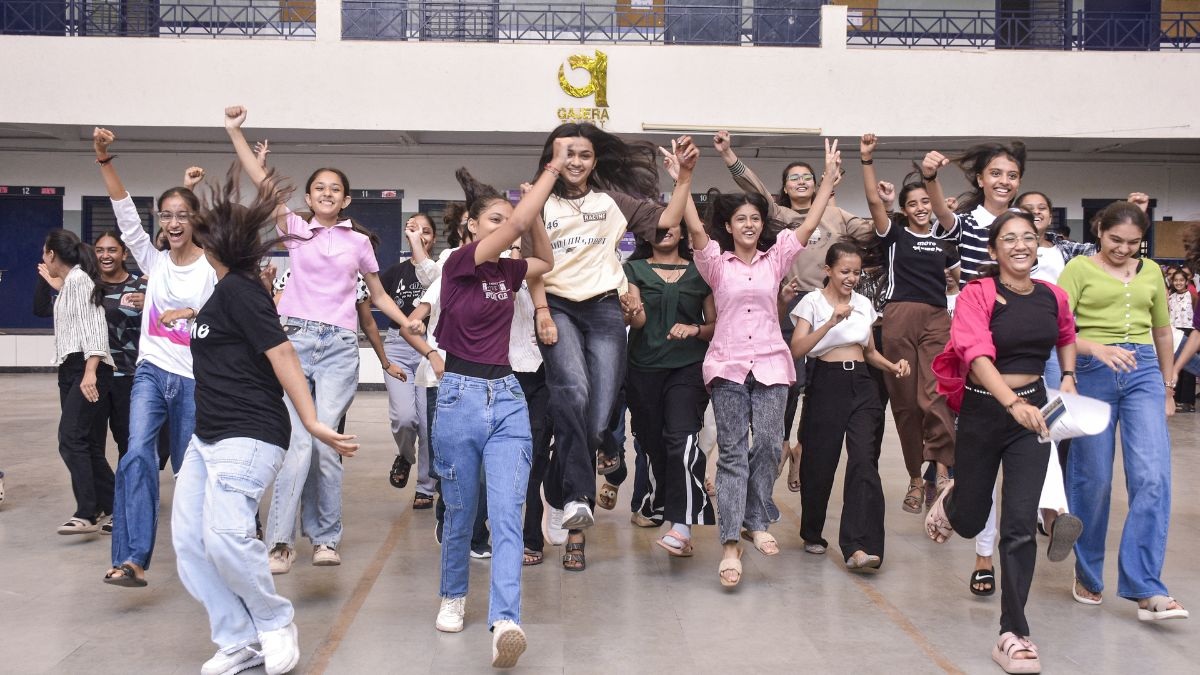
Women's performance on India's top engineering exam hit a six-year high in 2026, with 10,107 female candidates qualifying for JEE Advanced—a breakthrough moment for gender diversity in elite STEM pathways Times of India. Scheduled Caste and Scheduled Tribe candidates also made significant gains, with SC qualification rates jumping to 50.16% from 40.41% and ST rates climbing to 42.14% from 33.99%, according to IIT Roorkee's latest report. Overall, 56,880 of 1,79,694 test-takers qualified—up from 54,378 in 2025—even as passing marks rose sharply across all categories.
The gains for marginalized groups contrast with steeper declines for general-category candidates, whose rate fell to 39.8% from previous levels Times Now News. EWS qualifiers edged up slightly, while OBC-NCL rates slipped to 17.5%. The report offered no clear explanation for the shifts, noting only that qualifying criteria had been loosened to ensure at least twice as many candidates as available seats would pass in each category.
Women Surpass 10,000 Qualifiers for First Time
The 10,107 women who qualified in 2026 marked the first time the number crossed five digits, signaling rapid progress in female representation India TV News. Women's qualification rate reached 23.4%—up from 21.7% the year before and a six-year high Times Now News. Of the women who secured seats, 3,814 were allotted female-only or supernumerary seats, while 37 gained spots through the gender-neutral pool Indian Express.
SC and ST Candidates Post Sharp Qualification Gains
Scheduled Caste candidates saw their qualification rate leap 9.75 percentage points to 50.16%, nearly matching the general category IIT Roorkee report. Scheduled Tribe candidates posted even steeper gains, jumping to 42.14% from 33.99%—a 8.15-point jump. Both groups benefited from slightly lower passing thresholds: SC and ST candidates needed 46 marks out of 360 to qualify, up from 37 in 2025.
Qualifying Marks Rise Even as Percentages Shift
The Common Rank List passing score jumped to 92 marks from 74, a 24% increase EduXcel Live. OBC-NCL and EWS candidates faced a steeper climb, needing 82 marks instead of 66. Despite these higher thresholds, more candidates qualified overall: 31.7% of test-takers advanced, up from 30.1% in 2025. The apparent paradox—easier pass rates amid harder exams—reflects the policy of qualifying at least twice as many candidates as available IIT seats in each category.
General-Category Qualifiers Decline as Margins Widen
General-category candidates saw their qualification rate fall to 39.8%, contrasting sharply with gains for SC, ST, and women candidates Times of India. OBC-NCL qualifiers dropped to 17.5%, while EWS qualifiers ticked up slightly. The report did not cite a specific reason for the widening disparities, leaving unclear whether demographic shifts in test-taker pools, performance changes, or policy adjustments drove the trends.
Sentiment
Mostly PositiveNEGATIVENEUTRALPOSITIVE
Publishers
15
Articles
13
Reach
28
A
AnonymousAuthor


