Light Compton Earthquake Reported
Magnitude 3.2 Earthquake Shakes Compton and Surrounding Areas Overnight
Anonymous
Key Points
1
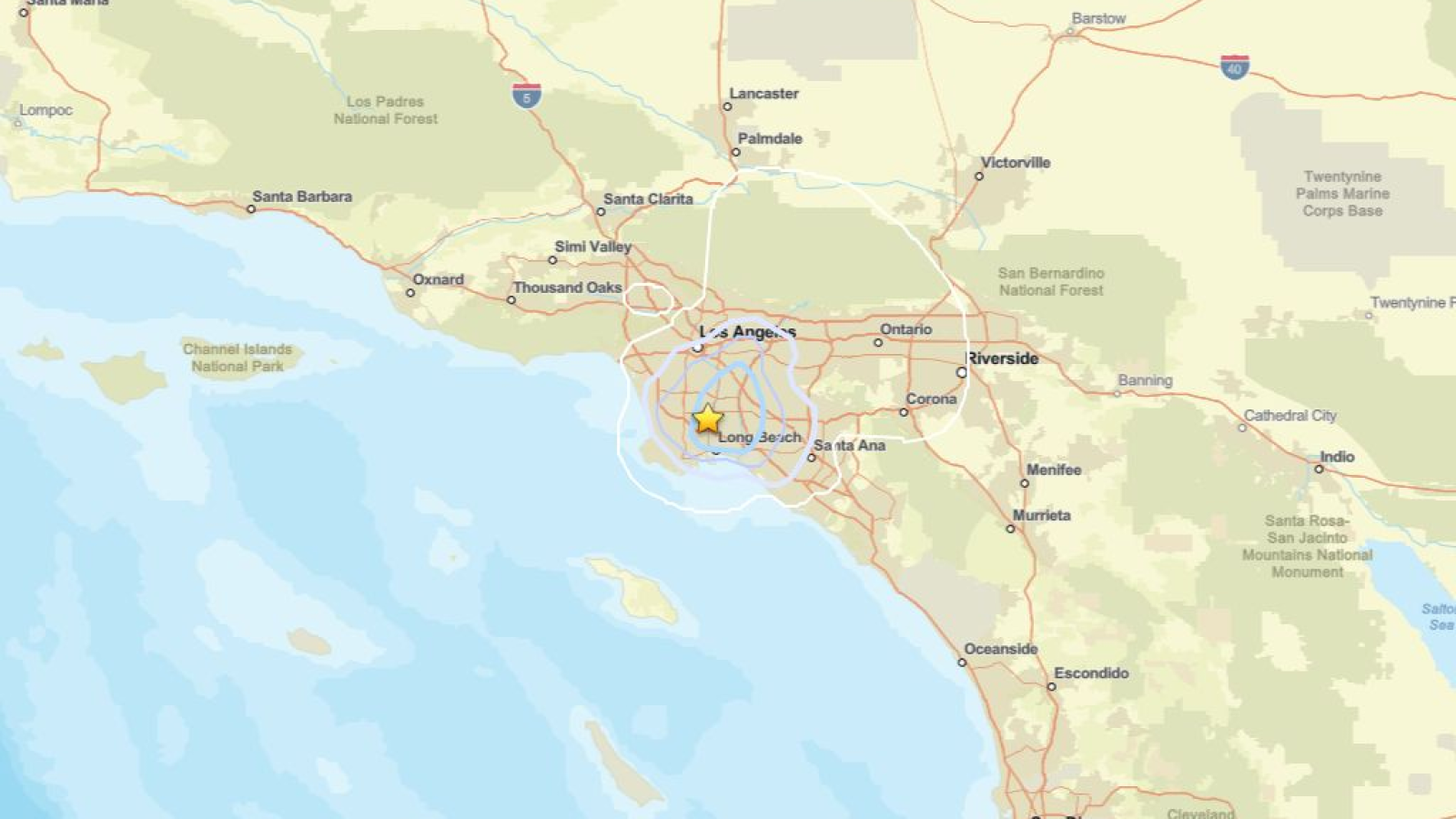
The epicenter was approximately 6.1 miles north of Long Beach, in addition to being about two miles south-southeast of Compton.
2
The USGS had received 623 “Did You Feel It?” submissions by early Sunday, with reports describing the shaking as weak.
3
A separate magnitude 3.4 earthquake was also recorded near Ontario earlier in the same period, about 12.5 miles east of Riverside.
4
The Compton area averages roughly 2,400 earthquakes of all magnitudes each year, while earthquakes of magnitude 3 or higher occur there at a rate of about 19 annually, according to more than five decades of seismic records.
5
The region’s Newport-Inglewood fault system produced a magnitude 5.9 earthquake centered near Long Beach in 1933; the latest tremor was described as part of the area’s recurring low-level seismic activity rather than an unusual event.
A magnitude 3.2 earthquake jolted the Compton area early Sunday morning, Sept. 6, at 12:13 a.m., according to USGS. The quake struck about two miles south-southeast of Compton at a depth of roughly eight miles, triggering weak shaking felt across Los Angeles and Orange counties. No injuries or major damage was reported.
Over 623 residents submitted reports through the USGS 'Did You Feel It?' system, describing the shaking from areas including Los Angeles, La Habra, Seal Beach, Bell, and La Mirada. The tremor follows another magnitude 3.2 earthquake near Ontario on Sept. 2, though officials have not confirmed any connection between the two events.
Compton Sits on Active Fault Line
The earthquake struck along the Newport-Inglewood Fault Zone, according to the Fresno Bee, one of Southern California's most prominent urban fault systems. The same fault produced a devastating magnitude 5.9 earthquake near Long Beach in 1933. Sunday's tremor represents routine seismic activity for the region rather than an unusual event.
Seismic records spanning more than 50 years show the Compton area experiences roughly 2,400 earthquakes of all magnitudes annually. Earthquakes measuring magnitude 3 or higher occur at a rate of about 19 per year, making Sunday's quake well within the area's normal pattern.
Eight Miles Deep Limits Shaking Across Region
The depth of eight miles reduced the intensity of shaking felt at the surface. ArcaMax reported the earthquake caused significant shaking in the southern Los Angeles area, but the underground depth prevented it from causing widespread damage or disruption to local transportation networks.
The epicenter sat about 6.1 miles north of Long Beach, placing it in a densely populated corridor. Despite the urban location, the quake's modest magnitude and depth meant residents experienced only weak to light shaking rather than severe ground movement.
Recent Earthquakes Across Southern California
The Compton quake follows another magnitude 3.2 earthquake near Ontario on Sept. 2, along with a separate magnitude 3.4 earthquake recorded in the same period about 12.5 miles east of Riverside. The Miami Herald noted that these tremors reflect the ongoing seismic activity typical of Southern California's fault systems.
Officials have not suggested the recent earthquakes are directly connected to one another. Each falls within the normal range of activity for their respective fault zones, and none has prompted upgrades to seismic alerts or emergency preparations in the region.
Sentiment
Mostly NegativeNEGATIVENEUTRALPOSITIVE
Publishers
17
Articles
60
Reach
77
Topics
A
AnonymousAuthor


