Student Shooting Verdict
Vermont Jury Convicts Man of Attempted Murder in Shooting of Three Students
Anonymous
Key Points
1
The three victims were childhood friends who grew up together in the occupied West Bank. They were visiting Awartani’s grandmother in Burlington during the Thanksgiving holiday when the shooting occurred.
2
During the trial, the students testified while wearing traditional Palestinian keffiyehs; reports said two of them had been wearing the scarves during the attack and were speaking a mix of English and Arabic as they walked near Eaton’s home.
3
Awartani, who was shot in the chest, is both a U.S. and Irish citizen. His mother, Elizabeth Price, was born in Dún Laoghaire, County Dublin, and Awartani studied mathematics and archaeology at Brown University.
4
Before moving to Vermont, Eaton had lived in the Syracuse area for at least 17 years and held more than a dozen jobs, including financial adviser, farmworker, cleaner, carpenter and bus driver. Local reporting also described prior police contacts, an incident involving a fire near his apartment and an ex-girlfriend’s report of unwanted messages and drive-bys.
5
Eaton’s lawyers said he had diagnoses including attention-deficit disorder, post-traumatic stress disorder, bipolar disorder and depression; during the proceedings, Eaton also attempted to fire his defense lawyers.
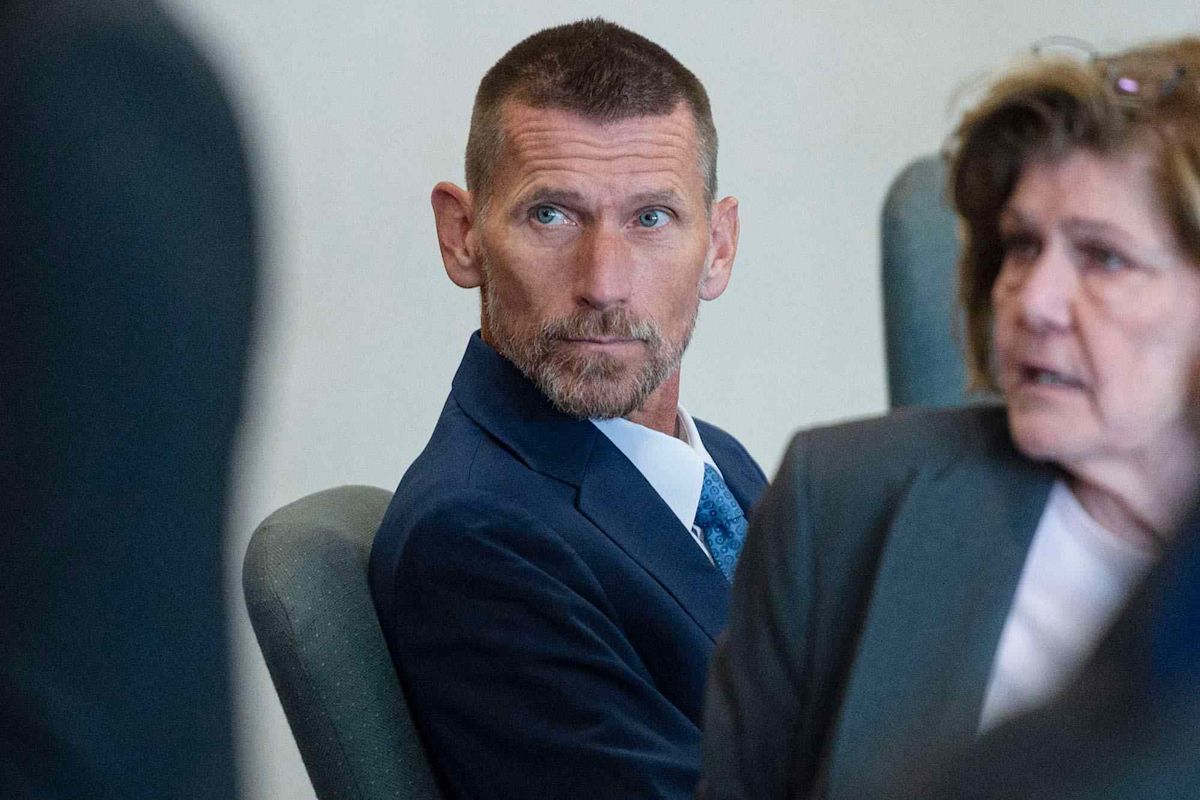
A Vermont jury convicted 51-year-old Jason Eaton of three counts of attempted second-degree murder for shooting three Palestinian college students in Burlington on November 25, 2023, according to Washington Post. Hisham Awartani was left paralyzed from a chest wound, while Tahseen Aliahmad and Kinnan Abdalhamid were also injured. All three survived and testified at the weeklong trial. Eaton faces up to life in prison at sentencing.
Eaton did not deny firing the shots but claimed he was legally insane, telling jurors that the CIA, Mossad, or God had instructed him through radio transmissions to attack, reported AOL. Jurors rejected the insanity defense after about two hours of deliberation. Prosecutors did not bring hate-crime charges, though the shooting occurred amid heightened tensions following the start of the Israel-Gaza war.
Three Childhood Friends Caught in Attack
The three victims were childhood friends who grew up together in the occupied West Bank, according to Yahoo News. They were visiting Awartani's grandmother in Burlington during the Thanksgiving holiday when the shooting occurred near Eaton's home. During the trial, the students testified while wearing traditional Palestinian keffiyehs—two had been wearing the scarves during the attack itself, according to court records.
Hisham Awartani, who was shot in the chest, holds both U.S. and Irish citizenship. His mother, Elizabeth Price, was born in Dún Laoghaire, County Dublin. Awartani studied mathematics and archaeology at Brown University before the shooting. The three friends were speaking a mix of English and Arabic as they walked near Eaton's home when he opened fire.
Shooter's History of Mental Health Struggles
Before moving to Vermont, Eaton had lived in the Syracuse area for at least 17 years and held more than a dozen jobs—financial adviser, farmworker, cleaner, carpenter, and bus driver, according to People. Local reporting described prior police contacts, an incident involving a fire near his apartment, and an ex-girlfriend's report of unwanted messages and drive-bys. Eaton's lawyers said he had diagnoses including ADHD, post-traumatic stress disorder, bipolar disorder, and depression.
During the trial proceedings, Eaton attempted to fire his defense lawyers, adding to the chaos surrounding the case. His mental health history and erratic behavior shaped his legal defense strategy. However, the jury found that his claimed delusions about government and divine instruction did not meet the legal threshold for insanity in Vermont.
Conviction Closes Case Without Hate Crime Charges
Despite prosecutors declining to charge Eaton with hate crimes, the shooting sparked immediate calls for a hate-crime investigation from civil rights groups and Palestinian advocates, reported WFSB. The attack occurred just weeks after Israel launched military operations in Gaza following the October 7 attacks. The timing intensified scrutiny on whether anti-Palestinian sentiment motivated the violence.
The conviction on three counts of attempted second-degree murder carries a maximum sentence of life imprisonment. Sentencing remains pending. The case highlighted the dangers Palestinian Americans faced amid Middle East tensions and raised questions about threat assessment and early intervention in cases involving individuals with documented mental health crises.
Sentiment
Mostly NegativeNEGATIVENEUTRALPOSITIVE
Publishers
23
Articles
358
Reach
381
A
AnonymousAuthor


