Indian Rupee Depreciation
Indian Rupee Falls Near 96 Per Dollar Amid Sustained Outflows and RBI Rate Hike
Anonymous
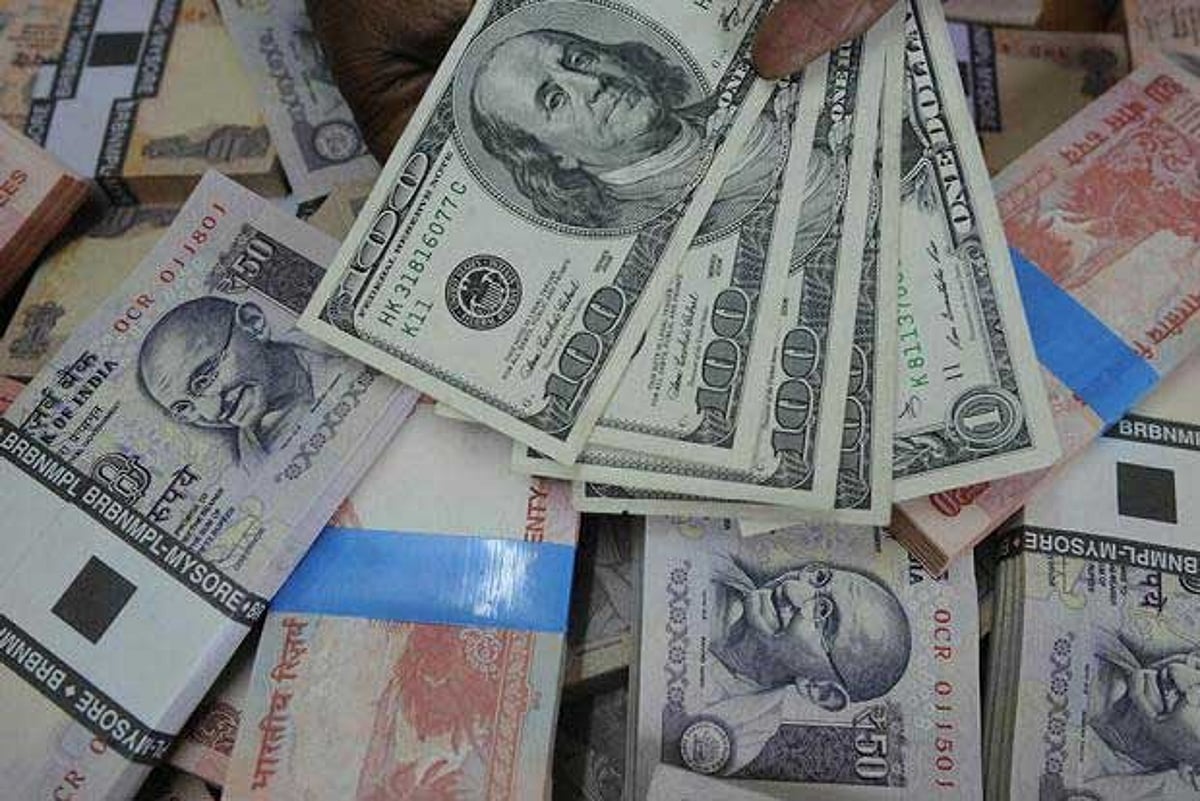
The Indian rupee weakened on Monday, hovering near 96 per U.S. dollar as elevated oil prices and sustained foreign-investor outflows outweighed support from improved risk sentiment and softer crude prices. Reports put its closing level at 96.30–96.35 per dollar, after it opened at 96.20. Investors are watching the Reserve Bank of India’s policy meeting, with a 25-basis-point rate increase widely expected, as well as future foreign capital flows. Currency strategists expect continued pressure: a Reuters poll forecast 96.50 per dollar by end-March and 97.50 in a year, citing high U.S. bond yields and capital outflows, while the RBI has been intervening to support the currency.
Key Points
1
Foreign investors have sold nearly $29 billion of Indian equities this year, while the rupee has fallen close to 7% against the dollar. The Reuters poll also found that strategists do not expect it to cross 100 per dollar in the coming year; BofA, UOB and Barclays forecast 99 by end-September 2027.
2
The RBI’s currency-defence effort has involved substantial balance-sheet exposure: foreign-exchange reserves were nearly $750 billion as of September 25, while net forward dollar liabilities reached a record $200 billion in August.
3
On Thursday, foreign institutional investors sold Indian equities worth a net Rs 9,484.22 crore. RBI data also showed foreign-exchange reserves fell by $18.343 billion to $747.557 billion in the week ended September 25.
4
HDFC Securities analyst Dilip Parmar forecast near-term USD/INR consolidation between 95.95 and 96.50, with a bias toward further gains for the dollar.
Sentiment
Mostly NegativeNEGATIVENEUTRALPOSITIVE
Publishers
16
Articles
51
Reach
67
A
AnonymousAuthor


