Motorola Signature 27 Flagship
Motorola Launches Signature 27 Flagship Featuring Snapdragon Processor And Advanced Cooling System
Anonymous
Key Points
1
Motorola says the Signature 27 uses six antennas to support faster cloud-based AI processing, targeting quicker everyday tasks and content creation.
2
The ArcticMesh cooling system reportedly includes a 3D vapor chamber that is 40% larger than the previous generation, a change intended to improve sustained performance under demanding workloads.
3
The phone’s stabilization system combines Qualcomm image stabilization with 3.5-degree optical image stabilization hardware, while its Video Enhancement Engine is designed to adjust color tones in real time, including in low-light and nighttime footage.
4
Motorola is reportedly considering official GrapheneOS support for the Signature 27, which would make it the first non-Pixel smartphone to receive such support; this indication had not been confirmed in the launch details.
5
Based on Motorola’s previous launch pattern, the Signature 27 could reach India shortly after its global announcement, potentially by the end of 2026; the previous Motorola Signature launched in India at an effective starting price of ₹54,999, according to a company announcement.
Motorola unveiled the Signature 27 at Qualcomm's Snapdragon Summit, positioning it as an ultra-premium flagship powered by the Snapdragon 8 Elite Extreme Gen 6. India TV News reports the phone marks the first device in a new naming system tied to model year, with the "27" representing its expected 2026 launch. The device targets AI and gaming workloads with advanced cooling and a 200-megapixel periscope telephoto camera.
Motorola plans to deliver seven OS upgrades and seven years of security updates, plus partnerships with Bang & Olufsen for audio and Google's Gemini AI. Hindustan Times notes this is the company's second-generation flagship in the Signature series, though pricing, exact release dates, and U.S. availability remain unconfirmed for the worldwide 2026 rollout.
Cooling System Engineered for Extreme Performance
The Signature 27 uses Motorola's ArcticMesh cooling system to handle sustained heavy workloads. Mathrubhumi reports the system combines diamond-infused thermal gel, liquid metal, and copper mesh with a redesigned vapor chamber that is 40% larger than the previous generation. Six antennas support faster cloud-based AI processing. This architecture is designed to keep the phone stable during demanding tasks and content creation without thermal throttling.
Dual Camera Setup Combines Sensors and AI Enhancement
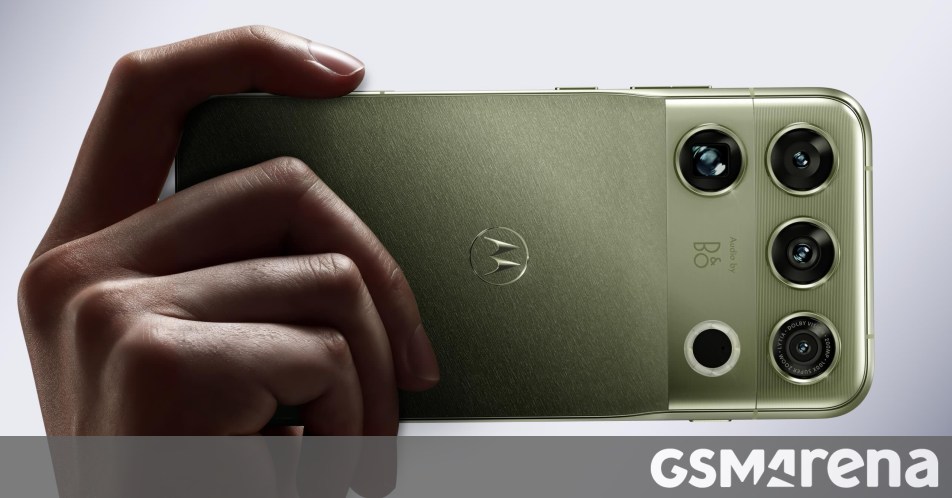
The camera system pairs a 50-megapixel Sony LYTIA 910 main sensor with the 200-megapixel periscope telephoto lens that Real Hacker highlights as a standout feature. Mathrubhumi reports a 6,000mAh battery powers the 165Hz AMOLED display. The phone stabilizes video using Qualcomm image stabilization plus 3.5-degree optical image stabilization hardware, while a Video Enhancement Engine adjusts color tones in real time—including low-light and nighttime footage—without manual user input.
New Naming System Aligns with Annual Model Years
Real Hacker reports Motorola adopted a new naming convention using the last two digits of the year the phone launches. The Signature 27 arrives first with this system, signaling a shift in how the company brands its flagship line. This approach mirrors strategies used by other premium phone makers and simplifies annual model identification. The previous Motorola Signature launched in India at an effective starting price around ₹54,999, providing a pricing reference point for future releases.
Premium Materials and Potential GrapheneOS Support
Aima Media notes design details include Coal Smoke and Capulet Olive color options with a textured rear finish, targeting premium aesthetics. Motorola is reportedly considering official GrapheneOS support for the Signature 27, which Real Hacker indicates would make it the first non-Pixel smartphone to receive such backing. This move would appeal to privacy-conscious users seeking enhanced security beyond stock Android 17, which ships with seven years of security update guarantees.
Sentiment
Mostly PositiveNEGATIVENEUTRALPOSITIVE
Publishers
13
Articles
10
Reach
23
A
AnonymousAuthor


