Alabama Delegation Seeks Space Academy in North Alabama
Alabama Delegation Seeks Space Academy in North Alabama
Anonymous
Key Points
1
The delegation’s letter was addressed to NASA Administrator Jared Isaacman as well as the Presidential Commission on the United States Space Academy, and was signed by Alabama’s entire nine-member congressional delegation.
2
The proposed academy is intended not only to prepare astronauts and engineers but also to develop leadership skills and train future entrepreneurs, civil servants and military personnel, according to the executive order and lawmakers’ statements.
3
Sen. Tommy Tuberville emphasized Huntsville’s private-sector base, citing “hundreds of private companies” that support the nation’s space and defense industries in addition to the region’s federal institutions.
4
The delegation argued that placing the academy in North Alabama would build on NASA’s efforts to recruit, train and retain highly educated, technically specialized aerospace workers.
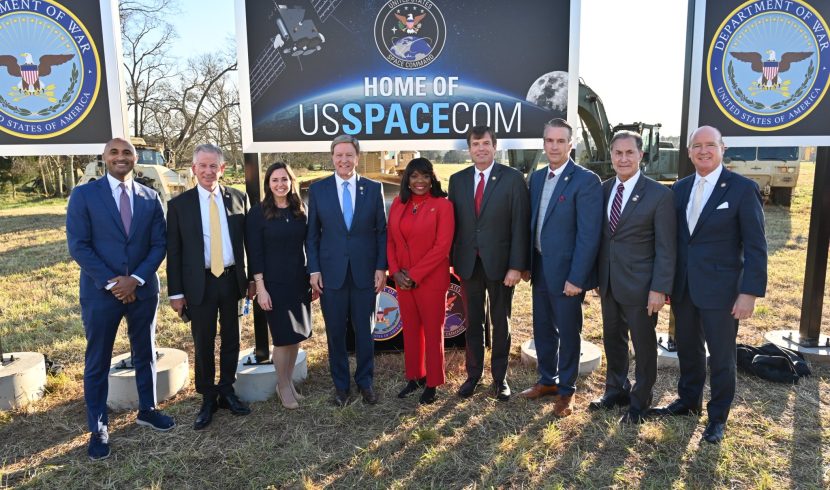
Alabama's nine-member congressional delegation is pushing to bring a new NASA-led space academy to North Alabama, with Huntsville emerging as the top contender. The Alabama Baptist reports that Rep. Dale Strong led the effort, urging the Presidential Commission on the United States Space Academy to select the region. The delegation argues Huntsville already hosts the nation's densest cluster of space and defense assets—including NASA's Marshall Space Flight Center, Redstone Arsenal, the Missile Defense Agency, and U.S. Space Command—plus hundreds of aerospace companies ready to support the institution.
President Trump created the commission by executive order on August 28 to design the academy's curriculum, admissions, and governance. Starlust reports NASA has set an aggressive timeline: groundbreaking by 2027, an inaugural 300-student class in 2028, and full operation by 2031. States must submit hosting proposals by October 26, with the commission expected to make final recommendations within 120 days.
Huntsville's Space Infrastructure Advantage
North Alabama houses unmatched federal space and defense institutions. Marshall Space Flight Center manages NASA's largest rocket engines and deep-space missions. Redstone Arsenal hosts the Missile Defense Agency and U.S. Space Command—two critical military space operations. Together, these facilities employ thousands of engineers and scientists in a region already focused on aerospace innovation and talent development.
Private Sector Strength Bolsters the Bid
Huntsville's competitive advantage extends beyond government facilities. Yahoo News notes the region boasts 'hundreds of private companies' supporting space and defense work, according to Sen. Tommy Tuberville. These firms range from major contractors to specialized suppliers, creating an ecosystem that can immediately support student internships, partnerships, and post-graduation employment. The Alabama delegation argued this private-sector depth would help NASA recruit, train, and retain highly educated aerospace workers.
Academy's Mission Spans Beyond Astronaut Training
The space academy will train more than just astronauts and engineers. Yahoo News reports the institution aims to develop leadership skills and prepare future entrepreneurs, civil servants, and military personnel for space-related careers. This broader mission—modeled partly on West Point's approach to military education—requires a hub with diverse technical expertise and industry connections, both of which Huntsville provides. The delegation sees the region as the natural fit to deliver that multidisciplinary environment.
Fast Timeline Puts Pressure on Site Selection
The compressed schedule leaves little room for delay. Aero-News Network reports states must submit proposals by October 26, with the commission expected to deliver recommendations within 120 days. Starlust outlines the stakes: if Huntsville wins, groundbreaking could start by 2027, allowing the first class of 300 students to arrive in 2028 and the permanent facility to open by 2031. Alabama's entire delegation signing the letter signals unified support—a key signal to the commission that the state is serious and ready to move fast.
Sentiment
Mostly PositiveNEGATIVENEUTRALPOSITIVE
Publishers
14
Articles
7
Reach
21
Topics
A
AnonymousAuthor


