EU joins US Iran pressure, South Korea weighs Hormuz
EU joins US Iran pressure, South Korea weighs Hormuz
Anonymous
Key Points
1
Bessent said the EU joined the US effort known as “Operation Economic Outcast,” adding “we appreciate their firm and timely stance” and warning that the “world is sending a clear message… we will not stop until every remaining financial lifeline has been severed.”
2
The EU’s stance referenced by Bessent was linked to a specific statement issued on 30 August at a G20 Finance Ministers’ meeting that Bessent hosted in Asheville, North Carolina.
3
South Korea’s “practical ways” being reviewed include concrete military/logistics assets reported as maritime patrol aircraft, a logistics support vessel, and a mine detection and clearance unit.
4
A South Korean presidential official explicitly rejected reports that Seoul had already decided on deployment and also rejected claims that it had provided “no assistance,” saying Seoul has “long been discussing possible practical contributions” with the international community.
5
South Korean officials said President Lee Jae Myung could discuss Hormuz options when he meets French President Emmanuel Macron next week, while local reporting also indicated Seoul was “leaning toward” dispatching troops and would seek parliamentary approval.
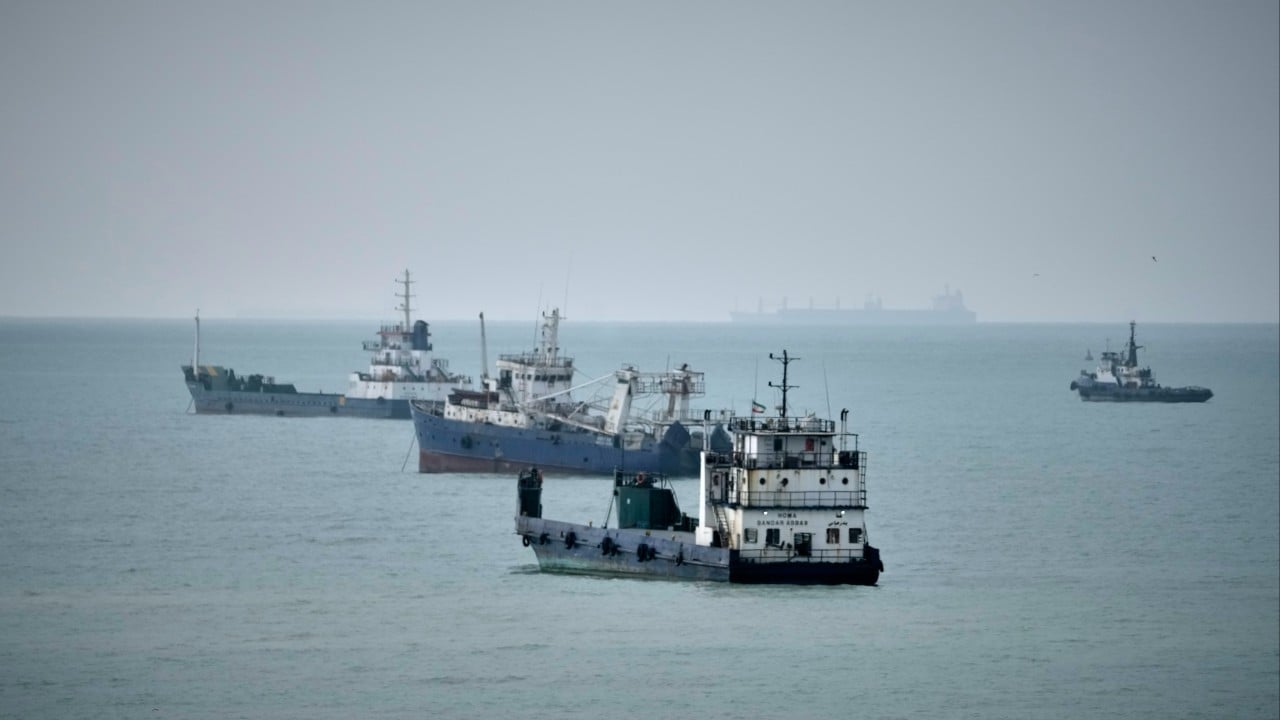
The U.S. and European Union are tightening economic pressure on Iran in a coordinated campaign called Operation Economic Outcast, with Treasury Secretary Scott Bessent saying the bloc has officially joined efforts to cut Iran's access to global financial systems. Bessent warned that "the world is sending a clear message… we will not stop until every remaining financial lifeline has been severed." South Korea, meanwhile, is reviewing its own military role in securing the Strait of Hormuz after repeated pressure from President Donald Trump, considering options that range from maritime patrol aircraft to mine-clearing operations.
Seoul has emphasized that no decision has been made and any deployment would require parliamentary approval, but local reports suggest South Korea is "leaning toward" dispatching troops before year's end. The deliberations mark a shift for Seoul, which had previously resisted Trump's calls for military support in the Middle East while balancing concerns about its defense readiness on the Korean Peninsula.
EU Formally Joins U.S. Iran Sanctions Push
The European Union has officially committed to Operation Economic Outcast, according to Bessent, who announced the partnership during a G20 Finance Ministers' meeting in Asheville, North Carolina on August 30. The EU said it is ready to take additional measures beyond current sanctions and pledged to work with the United States and other partners to "maintain pressure while pursuing diplomacy and regional stability." The effort targets Iran's nuclear weapons programs, military capabilities, and proxy networks across the Middle East.
South Korea Weighs Military Role in Hormuz
South Korea is considering deploying concrete military assets to the Strait of Hormuz, including a maritime patrol aircraft, a logistics support vessel, and a mine detection and clearance unit, according to local reports. A South Korean presidential official rejected claims that Seoul had already decided on deployment or provided "no assistance," stating instead that Seoul has "long been discussing possible practical contributions" with international partners. Any deployment would require South Korean parliamentary approval and would happen before the end of the year, according to reporting.
South Korean officials indicated that President Lee Jae Myung could discuss Hormuz options during a meeting with French President Emmanuel Macron in the coming week. The reviews follow sustained pressure from Trump, who has repeatedly demanded that South Korea contribute more to U.S. security objectives in the Middle East after Seoul declined earlier military assistance requests.
Balancing Middle East Duties Against Korean Peninsula Readiness
South Korea faces a strategic dilemma: supporting U.S. operations in the Strait of Hormuz while maintaining military strength along the North Korean border. Seoul's officials stressed that no action has been finalized and emphasized the need to protect South Korea's own security posture. The potential deployment of ships and aircraft represents a significant shift in Seoul's Middle East engagement after years of resisting Trump's calls for troops and support.
Sentiment
Mostly NegativeNEGATIVENEUTRALPOSITIVE
Publishers
17
Articles
31
Reach
48
A
AnonymousAuthor