Gaza NICU Crisis
Gaza hospitals face severe neonatal shortages as fragile newborns share overcrowded incubators.
Anonymous
Key Points
1
Nasser Hospital has reported a rise in premature births as well as twin and triplet deliveries, further increasing pressure on its already limited neonatal capacity.
2
Israel says restrictions on goods entering Gaza are intended to prevent items with potential military applications from reaching Hamas, which it accuses of planning further attacks.
3
Approximately 180 babies are born in Gaza each day, according to the United Nations, intensifying demand for maternity and neonatal services across the territory.
4
Nearly 4,000 pregnancy losses were reported in Gaza during the first six months of 2026—more than three times the number recorded in the preceding six months.
5
Around half of births in Gaza are reportedly occurring by caesarean section, many as emergency procedures, while more than half of pregnant women are suffering from anemia.
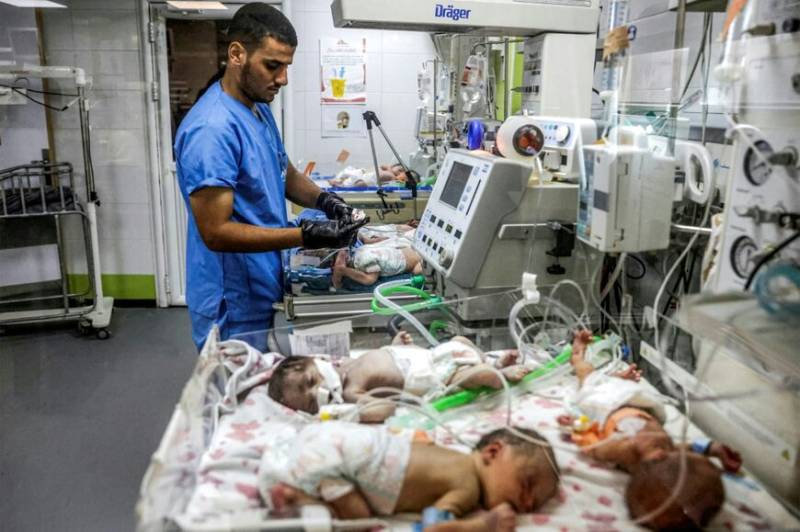
Gaza's hospitals are in crisis as premature and fragile newborns face a shortage of life-saving equipment. At Nasser Hospital in Khan Yunis, doctors are now placing two or three infants in incubators designed for just one, Newsy Today reported. The hospital lacks enough incubators, oxygen, and space to provide proper care, and transfers to other facilities are often impossible because they too are overwhelmed.
About 180 babies are born in Gaza each day, according to UN data, placing enormous pressure on maternity and neonatal services. The crisis extends beyond newborns — pregnant women face anemia, high-risk pregnancies, and dangerous childbirth conditions in overcrowded shelters with little access to water, sanitation, or food. UNICEF has delivered nearly 100 incubators to six hospitals since October 2023, but hospitals remain fragile and dependent on the hard work of local staff.
Overcrowded Wards Worsen Infection Risk
Cramped conditions at Nasser Hospital are undermining basic infection control. When two or three newborns share one incubator, sterile care becomes nearly impossible, and the risk of spreading dangerous infections rises sharply. 24newsHD noted that the hospital has insufficient space and supplies for premature babies needing specialist care. Staff cannot safely isolate sick infants or maintain the clean environments neonatal patients desperately need.
Rising Premature and Multiple Births Strain Capacity
Nasser Hospital is reporting a rise in premature births as well as twin and triplet deliveries, adding pressure to already-stretched neonatal units. Newsy Today documented the "catastrophic" shortage of incubators and high demand for oxygen at the facility. The influx of multiple births compounds the problem — each requires specialist care and equipment that the hospital simply does not have in sufficient quantity.
Mothers Face Dangerous Pregnancies and Childbirth
The crisis is not limited to newborns. More than half of pregnant women in Gaza suffer from anemia, a condition that weakens the body and raises risks during pregnancy and birth. Around half of all births occur by emergency caesarean section — far above normal rates — because pregnancies have become dangerously complicated. Nearly 4,000 pregnancy losses were reported in the first six months of 2026, more than three times the number from the prior six months.
Restrictions and Damage Leave Hospitals Vulnerable
Israel restricts goods entering Gaza, citing the need to prevent items with potential military applications from reaching Hamas. However, these restrictions have also blocked medical equipment essential for neonatal care. Damaged hospital infrastructure, ongoing military operations, and supply shortages have further weakened neonatal services across the territory. Without reliable access to incubators, oxygen, and other equipment, hospitals struggle to save the lives of Gaza's most vulnerable patients.
Sentiment
Mostly NegativeNEGATIVENEUTRALPOSITIVE
Publishers
13
Articles
22
Reach
35
A
AnonymousAuthor


