Hungary Rejects Ukrainian Cooperation
Hungary Rejects Ukraine Regional Invitation And Blocks Fuel Storage Project Agreement
Anonymous
Key Points
1
Hungary had blocked the opening of Ukraine’s EU accession negotiation clusters 2 and 3 four times by Sept. 8, while declining to specify which legislative measures Kyiv must adopt to lift the blockade.
2
The proposed Hungarian storage facilities were intended to hold strategic fuel reserves outside Ukraine, helping protect them from Russian strikes, according to Naftogaz’s presentation of the project.
3
Magyar said he expected MOL’s management to coordinate its future activities with Hungary’s new government, adding a broader political condition to the dispute over the Naftogaz-MOL memorandum.
4
The Carpathian Eight was announced by Ukrainian President Volodymyr Zelenskyy on Sept. 18 as a platform not only for regional cooperation but also for addressing shared challenges and supporting Ukraine’s path toward EU membership.
Hungary has rejected Ukraine's invitation to join the Carpathian Eight, a regional security and economic cooperation group launched in September. Prime Minister Péter Magyar said Budapest had "good reasons" for the decision but refused to explain them, Gateway Pundit reported. The move deepens an already tense relationship between Kyiv and Budapest over EU membership talks and energy projects.
The rejection extends beyond the regional bloc. Magyar also blocked a fuel-storage deal between Ukraine's Naftogaz and Hungary's MOL, calling it a project lacking government approval. Ukraine's Foreign Minister Andrii Sybiha hit back, accusing Hungary of taking an "unnecessarily confrontational" stance that could damage bilateral business ties, EU Alive reported.
Hungary Blocks Regional Cooperation Without Clear Reasons
The Carpathian Eight launched on September 18 as President Volodymyr Zelenskyy's platform to unite Ukraine with seven Central and Eastern European neighbors. The group aims to strengthen security, economics, and support Ukraine's path to EU membership, Archynetys reported. Hungary's rejection came without public explanation, frustrating Kyiv's diplomatic efforts.
Magyar insisted Hungary had substantial grounds for staying out but offered no specifics. Today Press noted this refusal to clarify terms has left Ukraine unable to address Budapest's actual concerns. The lack of transparency mirrors Hungary's earlier blocking of Ukraine's EU accession talks—Budapest had blocked negotiation clusters 2 and 3 four times by September 8 while refusing to detail what legislative changes would lift the freeze.
Energy Storage Deal Falls Apart Over Political Control
The proposed Naftogaz-MOL fuel-storage project would have built strategic reserves in Hungary, shielding them from Russian strikes inside Ukraine. The facilities represented a practical economic partnership that both companies had agreed to pursue. Magyar rejected the memorandum outright, citing lack of government approval and declaring it would not proceed anywhere in Hungary.
But Magyar added a broader political demand: he expected MOL's management to coordinate all future activities with Hungary's new government. This condition transformed a business dispute into a sovereignty issue. EU Alive reported that Sybiha saw this as proof Budapest was using political obstruction to block pragmatic cooperation that could benefit both nations.
Tensions Escalate Over EU Membership and Budapest's Leverage
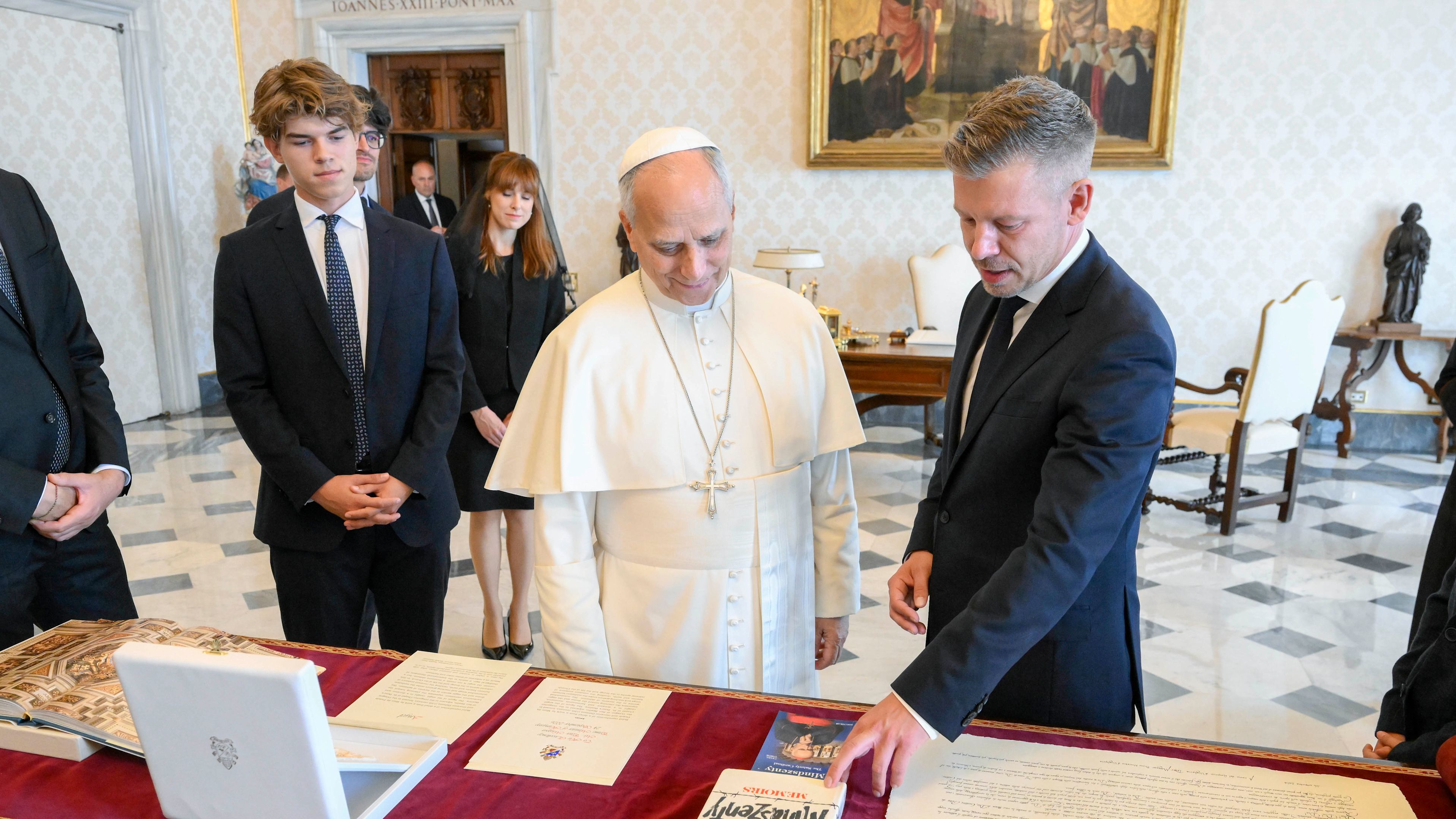
Hungary's rejection of both the Carpathian Eight and the energy deal fit a broader pattern. Budapest has consistently used EU decision-making power to pressure Kyiv, refusing to unblock Ukraine's accession talks without naming specific conditions. Catholic World Report noted that Magyar discussed Ukraine and European challenges with Pope Leo XIV at the Vatican, signaling Hungary's willingness to engage on the global stage.
Sybiha's criticism signals Ukraine will not accept these terms quietly. He warned that blocking pragmatic cooperation could damage long-term bilateral relations and undermine shared interests. The dispute shows how regional geopolitics now hinge on whether Hungary will use its EU veto power as a negotiating tool or step aside to let Ukraine's security and integration advance.
Sentiment
Mostly NegativeNEGATIVENEUTRALPOSITIVE
Publishers
17
Articles
11
Reach
28
A
AnonymousAuthor


