Carpathian Summit in Ukraine
Romanian President Joins Regional Leaders at the Inaugural Carpathian Summit in Ukraine
Anonymous
Key Points
1
The summit is also intended to address urgent geopolitical and security concerns in Eastern Europe, alongside its longer-term economic agenda.
2
The initiative is envisioned as a unified institutional mechanism that goes beyond traditional bilateral diplomacy by coordinating the eight participating countries.
3
Discussions are expected to include major shared-infrastructure investments, streamlined cross-border trade and efforts to make the region more attractive to international capital markets.
4
The initiative is framed as contributing to a shared European future, in addition to protecting the Carpathians’ cultural and natural heritage.
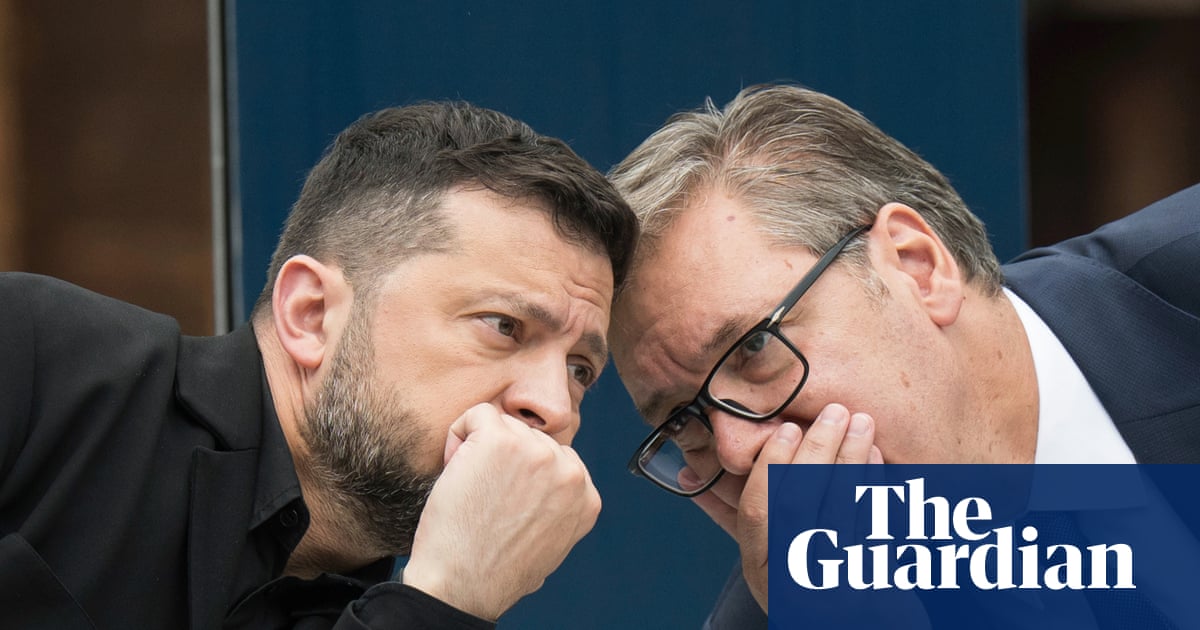
Ukrainian President Volodymyr Zelenskyy launched the inaugural Carpathian Summit in western Ukraine on September 18, bringing together leaders from eight nations to forge a new regional alliance focused on trade, energy, and reconstruction. Romanian President Nicușor Dan co-hosted the economic forum, joining officials from Austria, Czechia, Poland, Serbia, Slovakia, Hungary, and the EU to coordinate development across the Carpathian region. The Guardian reported that the initiative aims to achieve energy independence and strengthen the bloc beyond traditional bilateral ties.
The summit signed over 50 agreements worth €1 billion on day one, with organizers projecting €9.4 billion in long-term regional investment potential. More than half of the initial deals target renewable energy projects to reduce dependence on Russian power. Kyiv Independent noted the gathering also addresses urgent geopolitical concerns while pursuing longer-term economic cohesion and environmental protection across Europe's largest mountain range.
Eight Nations Unite on Carpathian Economic Cooperation
The "Carpathian Eight" brings Austria, Czechia, Hungary, Poland, Romania, Serbia, Slovakia, and Ukraine into a unified institutional framework. Myanmar TV reported that Zelenskyy opened the summit to discuss economic cooperation and security partnerships across the region. Romania holds over 50 percent of the total Carpathian mountain range, positioning President Dan to advocate for integrated projects that benefit local communities and strengthen cross-border ties.
The forum launched four parallel tracks: economic development, youth engagement, municipal cooperation, and environmental conservation. Zelenskyy stated, "May the Carpathian macro-region remain strong. The potential is billions of euros and mutual growth." Dan emphasized the importance of connectivity, noting, "The better connected we are, the closer they will be and the more they will be able to express their identity."
Energy Independence and Infrastructure at the Core
Over 50 percent of the initial 50 agreements focus on renewable energy—solar and wind projects designed to break the region's reliance on Russian power. WCIA reported that the summit brought together leaders from seven regional countries for talks on deepening cooperation. The accords include major shared-infrastructure investments and streamlined cross-border trade to attract international capital and modernize border logistics.
Romania and Ukraine targeted joint drone production and the SAFE instrument for defense co-production during bilateral discussions. New border crossings, mountain road networks, and supply-chain corridors are planned to link Ukraine with Central Europe. These infrastructure projects serve dual purposes: strengthening economic resilience and improving humanitarian access across the war-affected region.
Strategic Pivot to Avoid Military Dependence
Following Russia's 2022 invasion, Ukraine sought cooperation from neighbors reluctant to supply direct military aid. The Carpathian Initiative offered an alternative: economic integration without weapons transfers. News10 reported that Zelenskyy hosted representatives from seven countries specifically to deepen regional cooperation through non-military channels. This approach attracted participation from Hungary and Serbia, traditionally hesitant about EU-aligned military arrangements.
The framework builds on existing mechanisms like the Carpathian Convention and the Three Seas Initiative, but represents a distinct shift in post-war strategy. By binding neighbors through €9.4 billion in shared investment, Ukraine aims to strengthen EU integration pathways for itself and Serbia while securing essential reconstruction support. The summit signals Kyiv's pragmatic turn toward regional cohesion as a foundation for both immediate recovery and long-term stability.
European Integration and Minority Protection
The initiative frames regional cooperation as a stepping stone toward EU accession for Ukraine and Serbia. Zelenskyy positioned the alliance as contributing to "a shared European future" while protecting the Carpathians' cultural and natural heritage. Romania stressed minority rights for the Romanian ethnic diaspora in Ukraine's border regions, linking economic connectivity to cultural cohesion and cross-border family ties.
By aligning cohesion policy standards across eight nations, the Carpathian Eight accelerates EU integration benchmarks without requiring unanimous military consensus. Prime Minister Donald Tusk of Poland announced fresh bilateral aid and backed unified air defense and regional transit safety. The summit demonstrates how geography and shared infrastructure can overcome traditional geopolitical divisions in a fractured region.
Sentiment
Mostly PositiveNEGATIVENEUTRALPOSITIVE
Publishers
29
Articles
20
Reach
49
A
AnonymousAuthor


