Weight Loss Hair Shedding
Hair experts explain thinning hair linked to rapid weight loss and advanced restoration techniques.
Anonymous
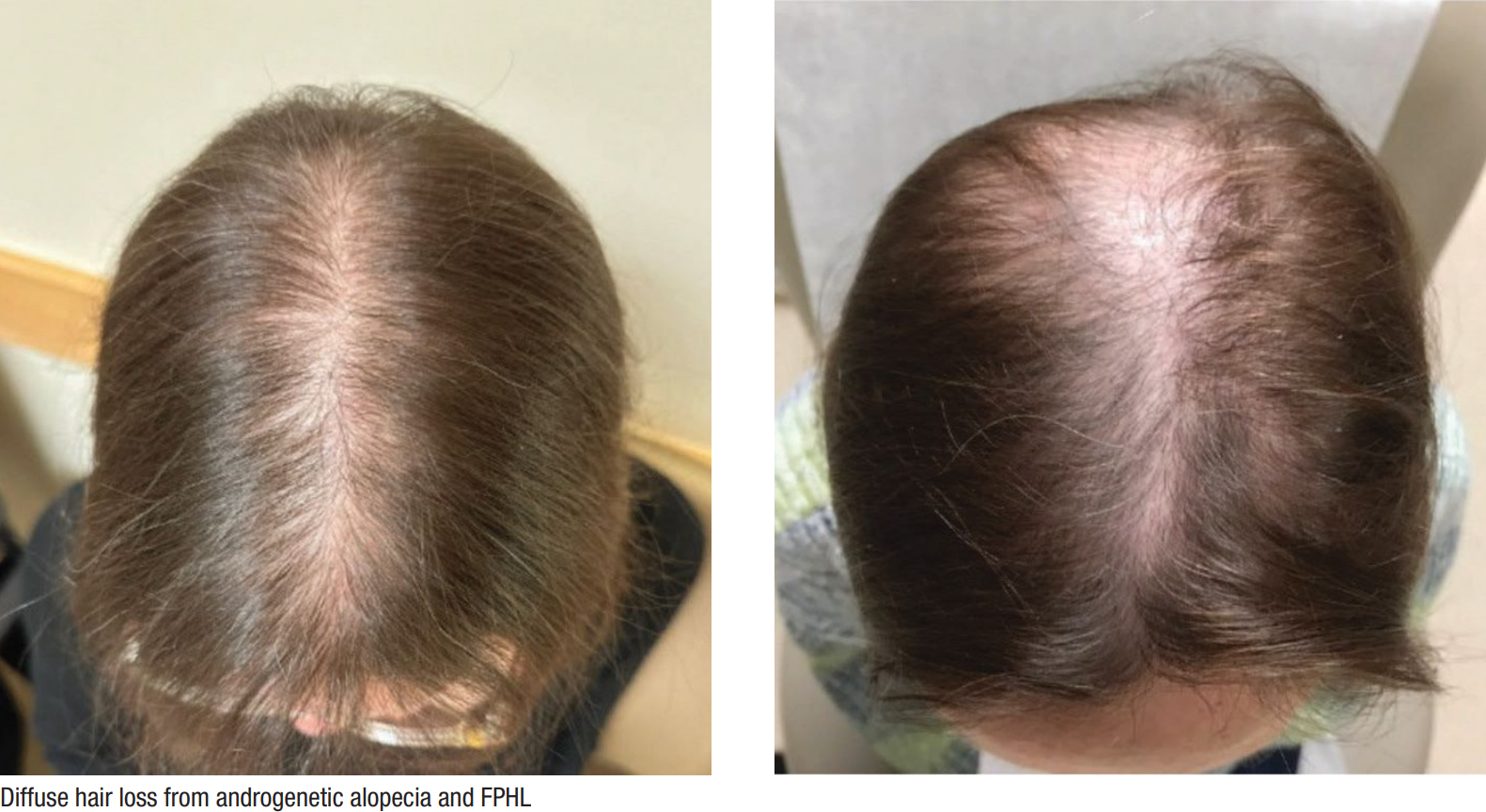
Hair-restoration specialists emphasize that convincing results depend on individualized planning, conservative hairline design and attention to future hair loss rather than simply maximizing graft counts. Dr. Manish Mittal’s London clinic focuses on natural-looking FUE procedures, while iGraft describes using single-hair grafts at the hairline and progressively denser grafts behind them to soften or reshape a receding widow’s peak. When scalp donor hair is insufficient, beard grafts may add density in the mid-scalp and crown, but their coarser texture generally makes them unsuitable for creating the frontal hairline. Hair thinning associated with GLP-1 drugs has been reported, although a direct medication-related cause has not been established; rapid weight loss, reduced calorie intake and nutritional changes may contribute to temporary shedding known as telogen effluvium. For people experiencing thinning, stylists recommend shorter cuts to create a fuller appearance, while a Canadian beauty brand is promoting a plant-based hair product amid increased interest in managing weight-loss-related shedding.
Key Points
1
Dr. Manish Mittal treats only one surgical patient per day and remains personally involved in the procedure, evaluating not just density but also the angle, direction and long-term evolution of the restoration. Patients travel to his clinic from more than 62 countries.
2
iGraft says the first 0.5 to 1 centimeter of a natural hairline is dominated by single-hair follicular units, with density typically increasing from about 20–25 grafts per square centimeter at the front to 35–45 grafts farther back. It estimates that a typical adult male frontal band may require roughly 300–500 single-hair grafts.
3
iGraft describes beard-to-scalp transplantation as a possible option for advanced hair loss, including Grade 6 baldness, when the occipital donor area is depleted; beard follicles are generally thicker and may grow longer than scalp follicles, helping increase visual density when blended into the mid-scalp and crown.
4
Celebrity hairstylist Marcos Diaz said that keeping thinning hair shorter can make its overall profile and silhouette look thicker, whereas growing it longer may leave the ends looking “thinner and wispier.”
5
Revive7 founder Lauren Spencer said rapid weight loss and nutritional changes “may sometimes be accompanied by increased hair shedding,” describing the brand’s plant-based offering as a gentle way to support hair during the body’s adjustment period.
Sentiment
Mostly NegativeNEGATIVENEUTRALPOSITIVE
Publishers
13
Articles
27
Reach
40
A
AnonymousAuthor