Deportation Policies Violate Free Speech
California Judge Rules Trump Deportation Policies Violate Free Speech Rights
Anonymous
Key Points
1
The judge identified two specific provisions of the Immigration and Nationality Act that the Trump administration relied on to cancel student visas and initiate deportations: one authorizing the Secretary of State to determine actions that would compromise a compelling U.S. foreign-policy interest, and another granting broad discretion to revoke visas.
2
Judge Noel Wise, a Biden appointee, framed the case as a defense of free speech, stressing that 'That strength is diminished when members of our society – citizens and noncitizens alike – must self-censor and ‘behave’ or suffer the government’s retaliation.'
3
The ruling is part of a broader judicial pushback against using immigration tools to penalize ideological speech, with other federal judges issuing similar rulings, including Judge William Young in Massachusetts.
4
The decision was issued on August 28, 2026, in San Jose, California, addressing Trump-era policies that began in March 2025.
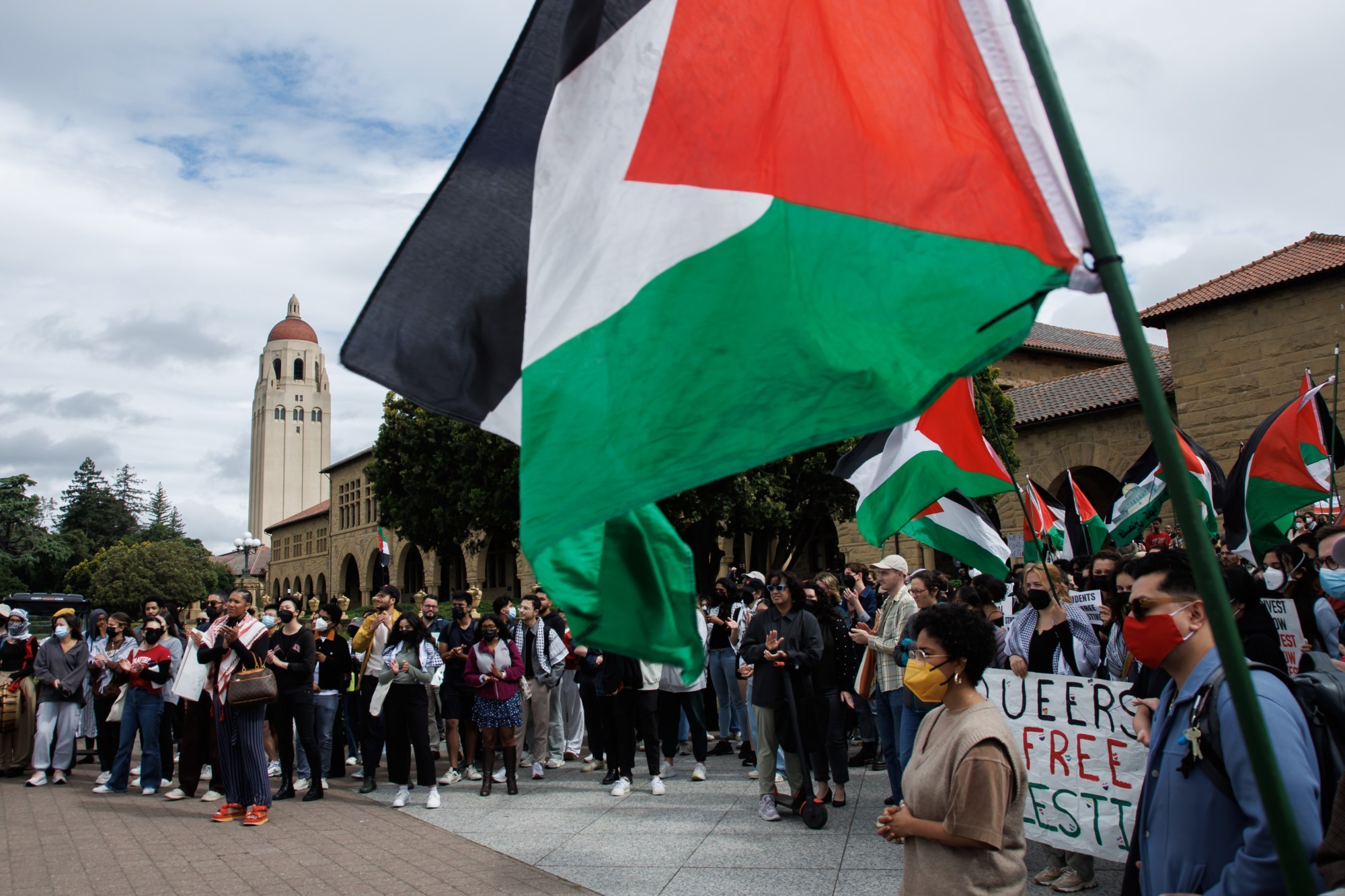
A federal judge in California ruled on August 28, 2026, that the Trump administration violated the First and Fifth Amendments by revoking visas and deporting noncitizens for pro-Palestinian speech and criticism of Israel. Mercury News The decision blocks the government from using immigration law as a weapon against political speech, marking a major constitutional check on executive power over campus activism.
Judge Noel Wise found that the State Department and Department of Homeland Security weaponized visa policies to suppress student protesters. CBS News The ruling stems from a lawsuit filed by The Stanford Daily in August 2025, which documented how student visa holders self-censored pro-Palestinian coverage for fear of government retaliation.
How the Government Targeted Student Activists
Starting in March 2025, the Trump administration began canceling student visas under two broad provisions of immigration law. Washington Examiner The first let the Secretary of State revoke visas if the person's actions threatened U.S. foreign policy interests. The second gave officials wide discretion to cancel visas without specific legal grounds. Together, they became tools to target noncitizens speaking out about Gaza.
The policy created a chilling effect on campus speech. Student journalists and activists avoided covering pro-Palestinian protests. Mercury News One high-profile case involved Columbia University student Mahmoud Khalil, who faced arrest under these policies. The lawsuit argued that fear of deportation forced noncitizens to silence themselves, violating their constitutional rights.
Judge Wise Defends Free Speech for All People
Judge Noel Wise, a Biden appointee, emphasized that free speech protects both citizens and noncitizens. Hometown Stations He wrote that America's strength comes from open debate, but that strength weakens "when members of our society – citizens and noncitizens alike – must self-censor and 'behave' or suffer the government's retaliation." The ruling rejected the idea that immigration status should determine constitutional protections.
Wise's decision directly challenged the government's argument that protecting foreign policy interests justified silencing speech. CBS News He found no evidence that student activism about Gaza threatened national security or U.S. interests abroad. The ruling strips away the government's legal cover for using visa authority to punish political expression.
Part of a Bigger Judicial Backlash Against Executive Power
This ruling is not isolated. Other federal judges, including Judge William Young in Massachusetts, have issued similar decisions blocking the use of immigration tools to penalize ideological speech. Washington Examiner These rulings collectively represent the judiciary pushing back against the Trump administration's weaponization of immigration law to control political discourse on campuses and beyond.
The cumulative effect is significant. Courts are establishing that the executive branch cannot use immigration authority to suppress First Amendment rights, even for noncitizens. Hometown Stations The decision has broad implications for universities, immigrant communities, and the limits of executive power over free speech in America.
Sentiment
Mostly NegativeNEGATIVENEUTRALPOSITIVE
Publishers
16
Articles
174
Reach
190
Topics
A
AnonymousAuthor