Student Free Speech Victory
Federal Judge Rules Trump Administration Violated Free Speech Rights of Student
Anonymous
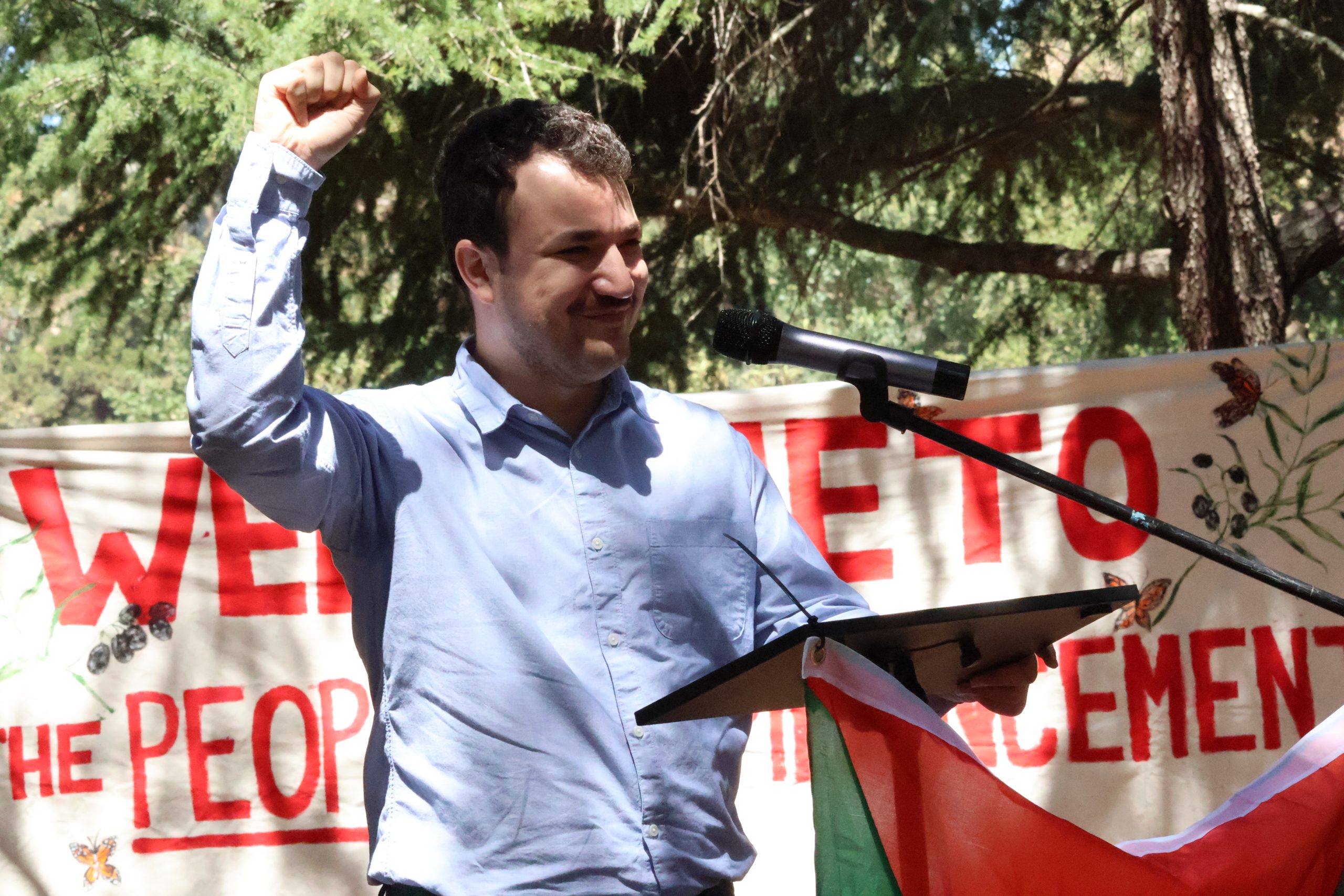
A federal judge ruled that the Trump administration violated the Constitution by trying to silence noncitizen students who criticized Israel's war in Gaza. The Olympian reported that the court sided with The Stanford Daily student newspaper and an unnamed student who sued, saying the government threatened deportation over protected speech. The decision blocks the government from revoking visas or deporting noncitizens solely because of what they say about foreign policy.
The case centered on whether the Trump administration could use immigration law as a weapon against free speech. Herald Sun noted that the ruling could set a major precedent for other cases involving international students facing visa threats. The judge found the government's targeting of noncitizens based on their words violated their constitutional rights.
How the Government Threatened Student Visas
The Trump administration reportedly threatened to revoke visas and deport noncitizen students who spoke against Israel's actions in Gaza. Kansas City reported that these students faced the prospect of losing their legal status simply for exercising free speech rights. The government's approach relied on immigration laws to punish what students said publicly or in articles.
The Stanford Daily and the unnamed student argued this tactic was unconstitutional retaliation. Charlotte Observer explained that the newspaper's reporting was directly harmed because noncitizen sources feared deportation if they spoke out. This chilling effect prevented journalism and silenced important voices in campus debates about Gaza.
A Court Victory for Press Freedom and Speech Rights
The judge's ruling was a major win for The Stanford Daily and free speech advocates. Idaho Statesman reported that the court blocked the government from using immigration law to suppress constitutionally protected statements. The decision directly prevents deportations based solely on what students say about Israel, Gaza, or U.S. foreign policy.
This ruling protects noncitizen students' right to participate in public debate without fear of visa revocation. Mahoning Matters noted that the precedent could shield international students nationwide from similar government threats. The court essentially said the Constitution applies to everyone on U.S. soil, regardless of immigration status.
Broader Implications for International Students and the Press
The case highlights tensions between immigration enforcement and fundamental rights. Miami Herald reported that noncitizen students across America have faced similar pressure to self-censor. The ruling clarifies that the government cannot weaponize visa status to control political speech on campus or elsewhere.
Kentucky.com explained that journalists and publications now have stronger legal grounds to argue that threats against sources violate the Constitution. The Stanford Daily case establishes that the press cannot do its job if noncitizen sources fear deportation for speaking truthfully. This decision reshapes what the government can do when it disagrees with criticism of its policies.
Sentiment
NeutralNEGATIVENEUTRALPOSITIVE
Publishers
10
Articles
10
Reach
10
Topics
A
AnonymousAuthor


