California Wildfire Report
Independent Review Finds Critical Preparedness Gaps in Deadly California Wildfires
Anonymous
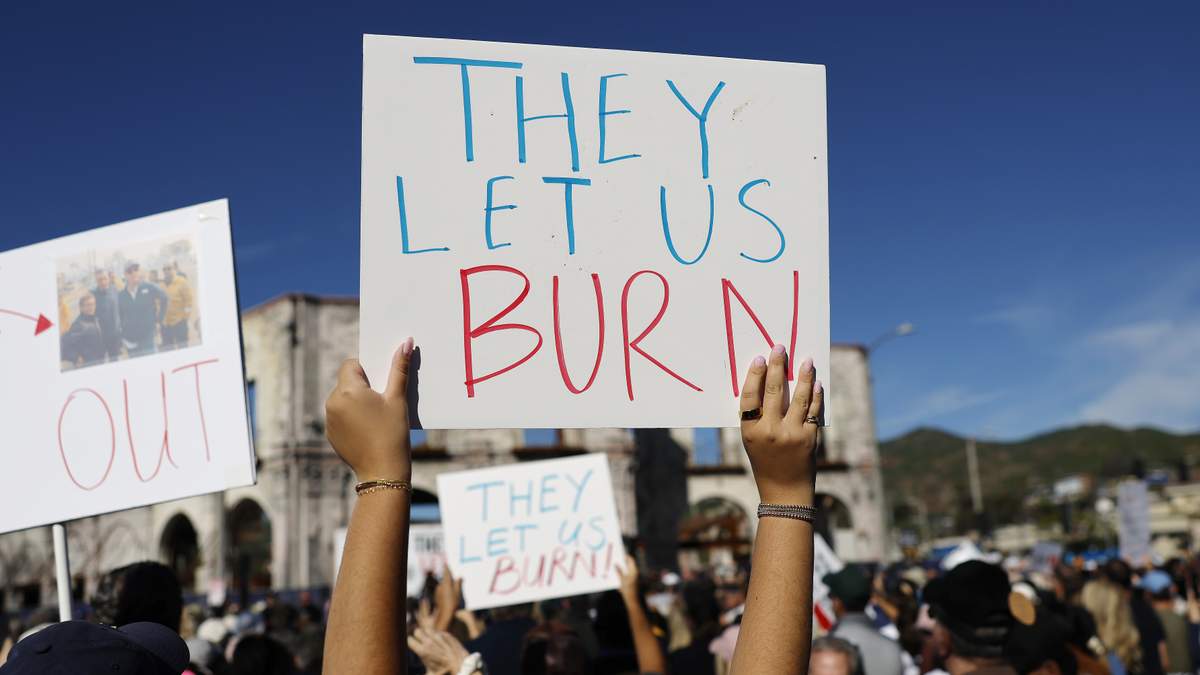
An independent 724-page review commissioned by Gov. Gavin Newsom found that the deadly January 2025 Eaton and Palisades fires exposed broad weaknesses in wildfire preparedness and response, including inadequate planning, poor coordination among agencies, and communication breakdowns. In Pacific Palisades, the Los Angeles Fire Department failed to act on warnings that the earlier Lachman fire was still smoldering and lacked clear procedures for ensuring it was fully extinguished; the department has since accepted the report’s findings and acknowledged shortcomings in fire monitoring, personnel tracking and evacuation coordination. In Altadena, reports of an ember storm did not reach incident commanders, and evacuation orders came more than an hour after reports of fire reached them; the review also described delayed alerts affecting a historically Black neighborhood where many victims died. The report said overwhelming 911 calls and strained communications hampered response efforts, while extreme winds and fire behavior made the fires exceptionally difficult to contain; it found no single failure explains the disaster. The fires killed 31 people and destroyed more than 16,000 buildings, leaving many residents displaced.
Key Points
1
During the emergency, police dispatchers temporarily routed 911 calls through a single captain’s personal cellphone, while the volume of calls also left some firefighter units untracked.
2
The investigation’s researchers evaluated more than 900 burned structures, interviewed 200 residents and 295 people from 22 responding agencies, and reviewed 911 calls, radio traffic and dispatch data.
3
The review found no evidence that the LAFD monitored the Palisades burn area as critical fire weather approached; it also said Topanga State Park had not consulted fire agencies about the portion of the earlier Lachman fire that burned there.
4
The report examined a wide range of system factors—not only firefighting—including utilities, weather and vegetation, transportation, the built environment, and evacuation warnings and orders. Its executive director said wildfire resilience requires strengthening the whole system, rather than relying on any single program or organization.
Sentiment
Mostly NegativeNEGATIVENEUTRALPOSITIVE
Publishers
11
Articles
89
Reach
100
A
AnonymousAuthor


