Oil Surges on Tension
Brent Oil Surges Past $108 as Middle East Tensions Stall Truce Talks
Anonymous

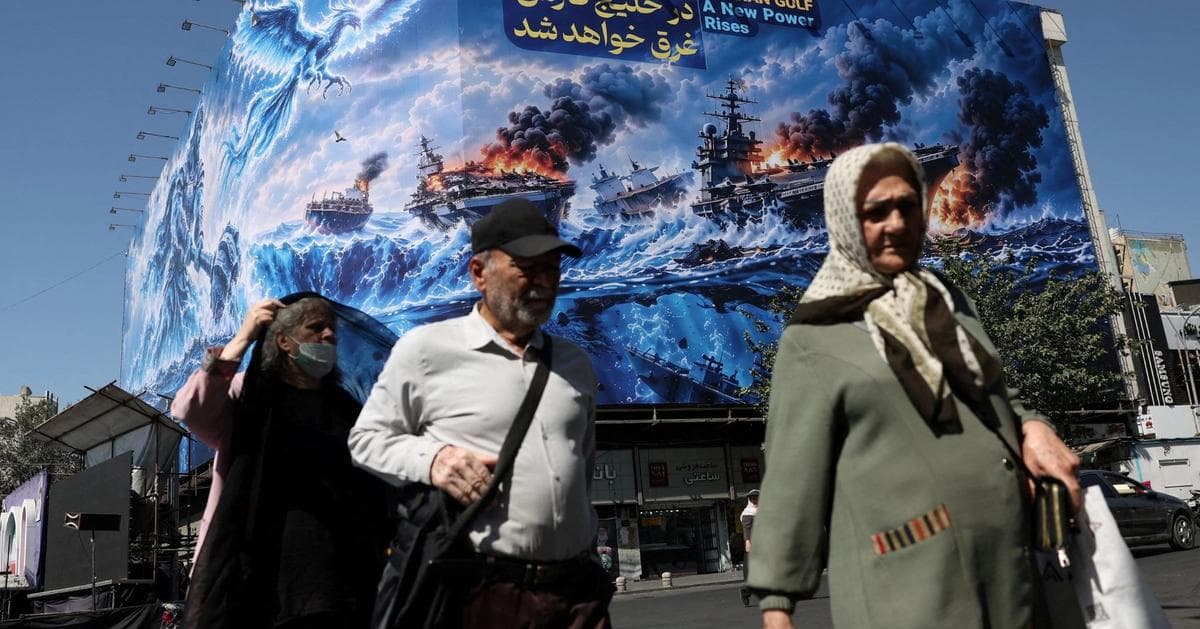
Brent crude climbed above $105 and approached $108 a barrel as U.S.-Iran negotiations stalled over Tehran’s proposed seven-day truce and reopening of the Strait of Hormuz. President Donald Trump rejected Iran’s offer, while Tehran says reopening depends on U.S. steps including sanctions relief and an end to blockade measures; despite the impasse, Trump has indicated talks could resume. Disrupted shipping and tight physical supply are amplifying price pressures, with bond yields also rising amid investor concerns about geopolitical and economic risks. Brickwork Ratings expects Brent to average $95-$110 a barrel in the second half of FY27 under its base case, but warns that intensified disruptions could push prices to $120 or higher, while a durable reopening could ease them.
Key Points
1
U.S. Central Command said it had redirected 122 commercial vessels, disabled more than three and boarded two to prevent ships from entering or leaving Iranian ports. Separately, 80 countries signed a joint statement calling for the Strait of Hormuz to reopen to commercial navigation.
2
The oil market showed a sharp near-term supply premium: Saxo Bank said the November Brent contract was trading $8.20 a barrel, or 7.6%, above December, which was below $100.
3
Brickwork Ratings estimated that a sustained $10-per-barrel rise in crude could widen India’s current-account deficit by 0.3–0.4% of GDP and add 20–30 basis points to inflation over a year.
4
The accompanying bond-market moves reached specific multi-year highs: the U.S. 10-year Treasury yield rose to 5.23%, its highest since 2007, while the 30-year yield reached 5.53%, its highest since 2004.
Sentiment
Mostly PositiveNEGATIVENEUTRALPOSITIVE
Publishers
17
Articles
8
Reach
25
A
AnonymousAuthor