Middle East Supply Disruptions
Brent Oil Holds Above $100 Amid Rising Supply Disruption Fears
Anonymous
Key Points
1
U.S. Central Command said it had destroyed 10 Iranian tankers over the previous week, describing them as part of a multibillion-dollar “shadow network” that funded Iran’s Islamic Revolutionary Guard Corps; Secretary of State Marco Rubio said the strikes would continue in retaliation for attempted attacks on U.S. warships.
2
The disruption has sharply affected regional financial markets: Saudi Arabia’s stock index fell 0.2% and Dubai’s declined 0.3%, while Abu Dhabi’s benchmark rose 0.9% after the latest escalation.
3
Oil prices had previously eased after the United States and Iran reached a temporary agreement to halt attacks in June, but the arrangement did not produce a permanent peace deal. Brent has reached as high as $126.41 a barrel since the war began, on April 30.
4
Exxon Mobil reported second-quarter profit of $14.5 billion, up from $7.1 billion a year earlier, while Chevron’s profit rose to $12.1 billion from $3.1 billion; together, the companies earned about $26.6 billion in the quarter.
5
The market rally has lifted Exxon Mobil shares 2.2% and Chevron shares 1.9% since the latest surge, with investors who bought energy stocks at the start of the year gaining roughly 35% to 40%, according to the analysis.
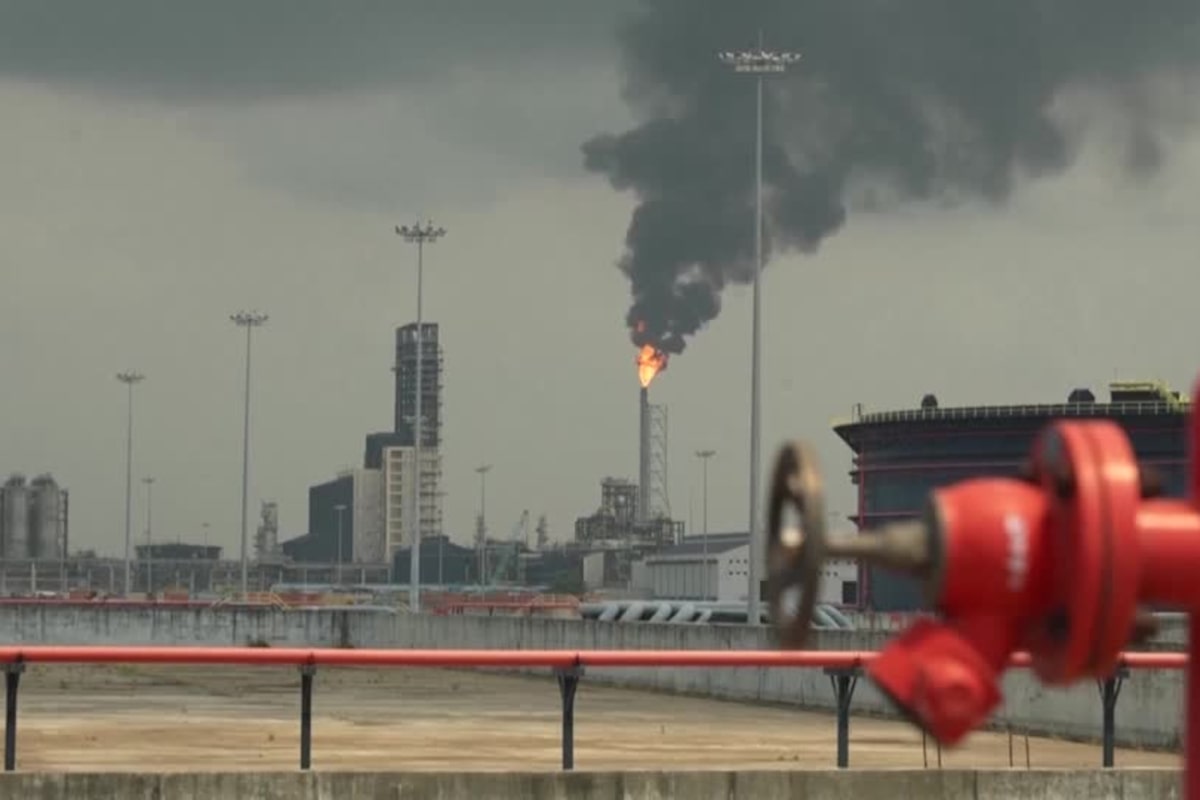
Brent crude held above $100 a barrel on Thursday as attacks on tankers through the Strait of Hormuz sparked fresh concerns about Middle Eastern oil supplies. The Globe and Mail reported that Brent traded near $101, while U.S. West Texas Intermediate crude sat around $96—both up roughly 5% over the week and hitting their highest levels since May. The escalation has raised fears of deeper disruptions in a waterway that once carried nearly one-fifth of global oil.
U.S. Central Command said it destroyed 10 Iranian tankers in the past week as part of Iran's "shadow network" funding the Revolutionary Guard. The Wall Street Journal noted that Morningstar reported renewed Houthi strikes on Saudi Arabia have added to supply jitters, while the International Energy Agency forecasts a substantial decline in global supply this year.
Why Oil Prices Keep Climbing Past $100
Oil prices have surged on fears that tanker attacks will choke off supplies from the Middle East. The Globe and Mail reported that Iran and the United States have escalated their largest attacks on shipping in recent weeks. Secretary of State Marco Rubio warned that strikes would continue in retaliation for attempted attacks on U.S. warships. The Strait of Hormuz is vital—it once moved nearly 20% of the world's oil.
Brent has swung wildly over months of tension. The oil benchmark reached as high as $126.41 per barrel on April 30 when the war began. A temporary U.S.-Iran agreement in June had eased prices, but no permanent deal followed. Now fresh tanker strikes have reignited supply fears and pushed prices back toward their peaks.
Energy Companies Post Record Profits
The price surge has handed major oil producers enormous gains. Exxon Mobil reported second-quarter profit of $14.5 billion, more than double the $7.1 billion it earned a year earlier. Chevron's profit jumped to $12.1 billion from $3.1 billion. Together, the two giants earned about $26.6 billion in the quarter—a windfall driven by higher prices at the pump.
Stock investors have cheered the earnings surge. Exxon Mobil shares climbed 2.2% and Chevron shares rose 1.9% since the latest price spike. Investors who bought energy stocks at the start of the year have gained roughly 35% to 40%, according to analysis. The sector has been one of the market's best performers.
Regional Markets Shake on Supply Uncertainty
The tanker attacks have rippled through Middle Eastern financial markets. Morningstar reported that Saudi Arabia's stock index fell 0.2% and Dubai's declined 0.3% following the latest escalation. Abu Dhabi's benchmark rose 0.9%, showing mixed reactions across the Gulf. The uncertainty reflects broader worries about whether regional economies can weather sustained oil supply disruptions.
Investors remain cautious about the oil rally's staying power. While energy stocks have surged, analysts warn that high valuations and weaker refining demand may limit future gains. The sector's profits look strong today, but sustained supply disruptions could create new economic headwinds that weigh on broader markets.
Sentiment
Mostly NegativeNEGATIVENEUTRALPOSITIVE
Publishers
17
Articles
119
Reach
136
A
AnonymousAuthor


