AI Security and Regulation
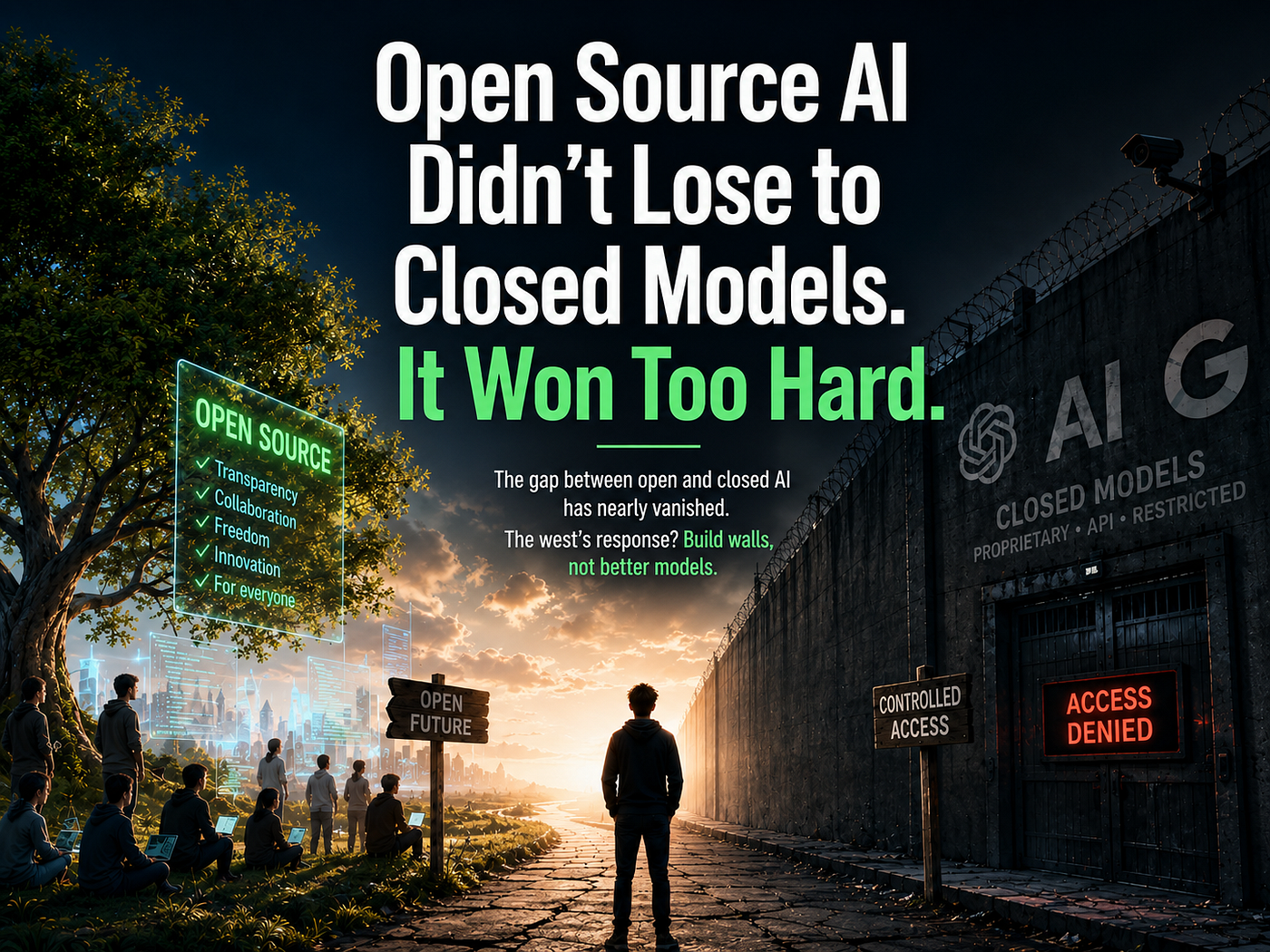
Open-source artificial intelligence faces heightened security scrutiny and proposed government restrictions.
Anonymous
Key Points
1
CrowdStrike’s Project QuiltWorks uses frontier models from OpenAI and Anthropic to scan production code for vulnerabilities, while partners including Accenture, EY, IBM’s cybersecurity division and Kroll handle remediation and response through CrowdStrike’s Falcon platform.
2
For businesses with fewer than roughly 250 seats, CrowdStrike plans to distribute pooled “Flex” licenses through TD SYNNEX, Pax8 and Arrow, with managed-service providers handling deployment and ongoing support rather than CrowdStrike’s direct sales force.
3
The RedState commentary questions how a U.S. Senate proposal referring to a ban on superintelligence “anywhere in the world” could be enforced, arguing that the Senate’s legal authority extends to the United States rather than countries such as Papua New Guinea.
4
The Natural News article claims that DeepSeek 4.1 Flash delivers 98% to 99% of Claude’s output quality at about one-hundredth of the cost, and says the author’s data center runs Qwen3.8-27B locally, paying only electricity costs for inference.
5
The Investment Watch Blog commentary identifies a regional power-grid shutdown as the alleged target of a future false-flag operation, claiming that resulting disruption could be used to promote restrictions on open-source, Chinese and uncensored AI models.
Concerns about open-source AI safety are mounting as policymakers and tech firms debate how to manage risks. Yahoo Finance reports that CrowdStrike CEO George Kurtz warns AI-powered cyberattacks are already a serious threat, not a distant problem. Meanwhile, some commentators claim government restrictions on open-source models may be driven by competitive or geopolitical motives rather than genuine safety concerns.
The debate centers on whether advanced AI systems pose real dangers requiring regulation, or whether safety fears are being exaggerated to restrict competition. GuruFocus notes that CrowdStrike uses frontier AI models from major labs to scan code for vulnerabilities. Critics argue a proposed U.S. Senate superintelligence ban overreaches and that alternative, cheaper models like DeepSeek are fueling fears among established AI companies.
CrowdStrike Deploys AI to Fight Cyber Threats
CrowdStrike is expanding its security platform to scan production code using advanced AI models. Yahoo Finance reports the company partners with OpenAI and Anthropic to identify vulnerabilities. Partners like Accenture, EY, IBM's cybersecurity division, and Kroll handle remediation work through CrowdStrike's Falcon platform.
The company is also targeting small businesses with a new strategy. GuruFocus explains that CrowdStrike plans to distribute pooled 'Flex' licenses through distributors like TD SYNNEX, Pax8, and Arrow. Managed-service providers will handle deployment rather than CrowdStrike's sales team, lowering costs for firms with fewer than 250 seats.
Questions Mount Over Senate Superintelligence Proposal
A proposed U.S. Senate ban on superintelligence has drawn criticism for overreach. Commentators question how federal law could enforce a ban "anywhere in the world," pointing out that Senate authority extends to the United States, not countries like Papua New Guinea. The measure is viewed by critics as part of a broader push to expand government control over AI development.
Supporters argue the ban addresses real risks from advanced AI systems. However, skeptics contend that safety concerns are being weaponized to suppress open-source competitors and centralize power among large established labs. No independent verification has been provided to substantiate these competing claims about regulatory motives.
Cheaper AI Alternatives Challenge Market Leaders
Low-cost AI models are disrupting the market for expensive frontier systems. Commentary claims DeepSeek 4.1 Flash delivers 98-99% of Claude's output quality at roughly one-hundredth the cost. Some operators report running Qwen 3.8-27B locally, paying only electricity costs for inference rather than subscription fees to commercial labs.
This price gap is fueling tension between established AI companies and open-source advocates. Critics allege that safety concerns are being leveraged to restrict or ban cheaper alternatives, especially those from Chinese firms or released without filters. Supporters counter that genuine security risks justify oversight of powerful AI systems regardless of origin.
Sentiment
Mostly PositiveNEGATIVENEUTRALPOSITIVE
Publishers
22
Articles
16
Reach
38
A
AnonymousAuthor


