Record Colorado Bear Conflicts
A Colorado black bear survives a garbage truck ride amid record state wildlife conflicts.
Anonymous
Key Points
1
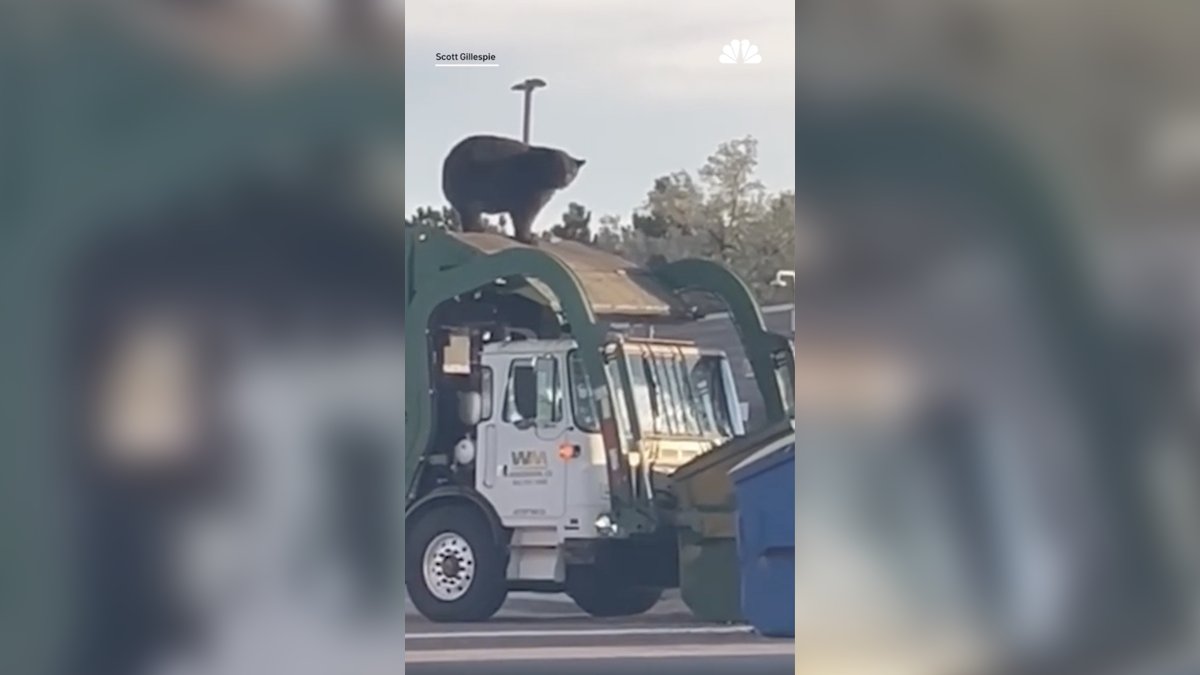
The bear was spotted on Wednesday, Sept. 16, near a Castle Rock transportation lot where school buses are kept; witness Scott Gillespie said he saw its paws and head emerging from inside the truck.
2
Witness Scott Gillespie said the bear ran past people standing by their cars but did not enter a nearby nutrition-services building that he described as a potential “jackpot of food.”
3
The incident occurred during bears’ hyperphagia period, when they bulk up before winter hibernation; officials said late frost and prolonged drought have reduced the availability of their usual food sources.
4
Other recent Colorado bear incidents cited by wildlife officials or local reporting included a bear entering an arcade in Fraser Valley, another roaming through an Aspen restaurant, and attacks at a Rio Grande National Forest campground and inside a Durango condominium.
5
Colorado Parks and Wildlife warned that intentionally leaving food sources accessible to bears can result in a substantial fine, in addition to habituating bears to urban areas and increasing risks to people and wildlife.
A black bear in Castle Rock, Colorado, survived an unexpected trip through a garbage truck on Wednesday, Sept. 16. The animal apparently climbed into a dumpster and was scooped into a Waste Management truck before emerging atop the vehicle near a transportation lot NBC Chicago. Witness Scott Gillespie saw the bear's paws and head sticking out from inside the truck before employees scared it away. No one was hurt.
The incident highlights a growing crisis in Colorado. Bears are invading populated areas at record levels as drought and late frost strip away their natural food sources before winter hibernation NBC Chicago. Colorado Parks and Wildlife reported 8,672 bear sightings or conflicts through August 31 alone — far outpacing previous years.
When Garbage Becomes a Bear's Last Resort
Bears are desperately searching for food during hyperphagia — the critical weeks before hibernation when they must pack on weight NBC Chicago. Late frost killed early-blooming plants that normally feed bears. Prolonged drought dried up berries and other vegetation. With natural sources vanishing, trash becomes a tempting target.
The Castle Rock bear nearly bypassed the transportation lot's nutrition-services building — what Gillespie called a "jackpot of food." Instead it roamed the area before employees chased it away. Other recent incidents show how aggressive bears have become: one invaded an arcade in Fraser Valley, another walked through an Aspen restaurant, and a third attacked campers at Rio Grande National Forest NBC Chicago.
Record Year for Bear Attacks and Conflicts
Colorado is experiencing an unprecedented bear crisis. Officials recorded 10 attacks and 8,672 sighting or conflict reports through August 31 NBC Chicago. Hundreds of bears have been euthanized or relocated. Each interaction pushes bears closer to viewing humans as a food source rather than a threat.
Once a bear finds accessible food near people, it becomes habituated and dangerous. A single mistake — leaving garbage unsecured or pet food outside — can doom a bear to relocation or death. The bear's reward system rewires: humans equal food. This makes future encounters far more risky NBC Chicago.
Residents Must Lock Down Food Sources Now
Colorado Parks and Wildlife is urging residents to secure all attractants immediately. This means locking up trash, removing bird feeders, and storing pet food indoors NBC Chicago. The stakes are high: intentionally leaving food accessible to bears can result in substantial fines.
Prevention is the only path forward. Each resident who secures their garbage reduces pressure on bears to enter populated areas. Each unsecured trash can pushes another bear closer to habituation — and eventual death. The garbage-truck bear got lucky. Most do not NBC Chicago.
Sentiment
Mostly NegativeNEGATIVENEUTRALPOSITIVE
Publishers
18
Articles
18
Reach
36
Topics
A
AnonymousAuthor


