Diet Coke's Geopolitical Price Hike
West Asia Tensions Fuel Diet Coke Price Hikes in India as Supply Chains Falter
Anonymous
Key Points
1
Rising aluminum packaging costs for Diet Coke in India are linked to higher London Metal Exchange aluminum prices, driven by West Asia tensions and supply-chain bottlenecks.
2
Indian bottlers have experimented with limited-time 200-ml glass bottles as a temporary packaging option to cope with can shortages, despite higher costs.
3
Analysts warn the ongoing Hormuz disruption could widen to block another sea route, increasing the risk of broader supply-chain bottlenecks beyond India.
4
Coca-Cola has not publicly unveiled pricing changes for Diet Coke in India and did not respond to multiple requests for comment regarding the price hikes.
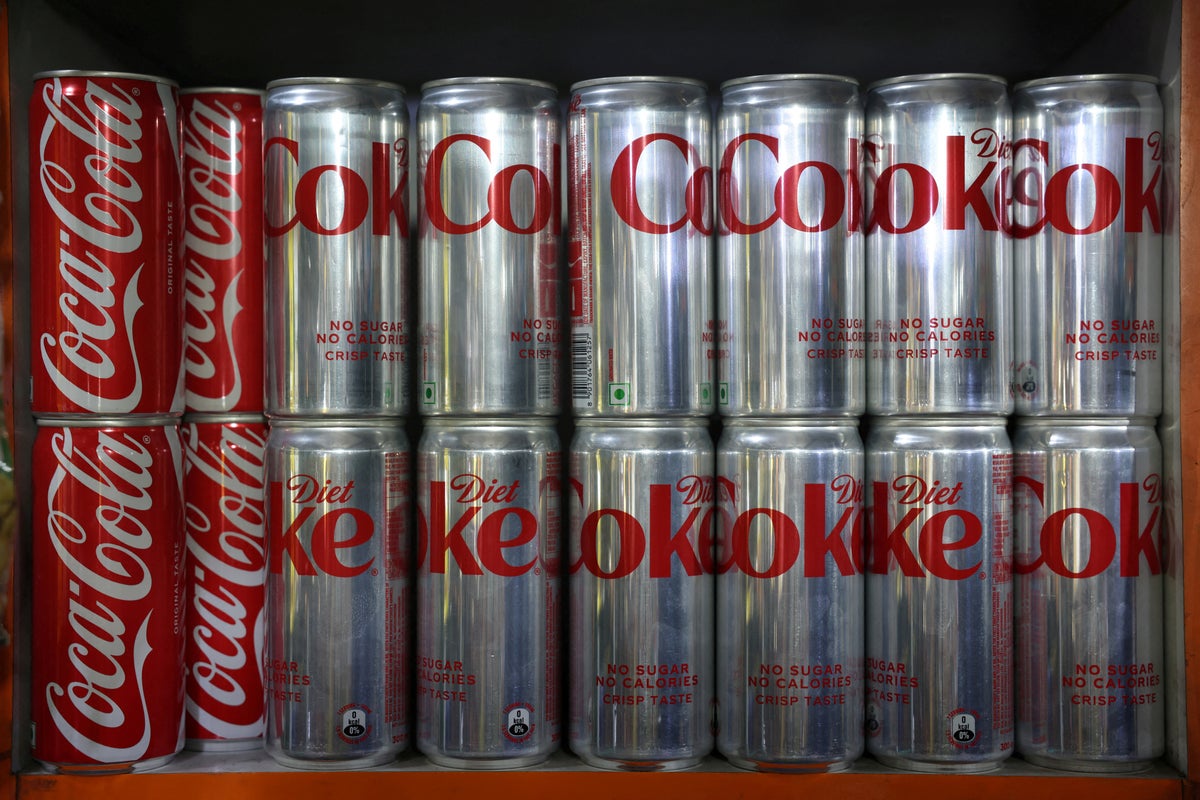
Coca-Cola has raised Diet Coke prices in India by more than 10%, driven by a shortage of aluminum cans linked to the US-Israeli war on Iran, according to The Independent. The conflict has disrupted shipping through the Strait of Hormuz, choking off can supplies and sparking an unusual wave of 'Diet Coke parties' across one of the world's largest consumer markets.
The price hike has moved the standard 300 ml can — historically sold at around 40 rupees — to a larger 330 ml can priced at roughly 50 rupees, according to Storyboard18. That works out to about a 13.6% increase per milliliter, with Coca-Cola quietly absorbing costs by switching to a bigger format rather than announcing a formal price change.
Iran War Chokes Aluminum Can Shipments to India
The disruption traces back to the near-closure of the Strait of Hormuz after the US-Israeli campaign against Iran, according to Arise TV. Commercial shipping through the strait collapsed, cutting off key supply chains for aluminum — the core material used in beverage cans. London Metal Exchange aluminum prices rose sharply as a result, pushing up packaging costs for bottlers worldwide.
India felt the squeeze fast. Diet Coke is sold almost entirely in cans in the country, leaving Coca-Cola little room to pivot, according to Unique Times. With local can supplies drying up, bottlers were forced to import larger cans from Southeast Asia at a higher cost, passing much of that burden on to consumers.
Bigger Cans and Glass Bottles Fill the Shortage Gap
To cope with the can crunch, Coca-Cola switched from the standard 300 ml format to 330 ml cans sourced from Southeast Asia, according to Storyboard18. The larger size helped justify the higher price tag while keeping the product on shelves. However, imported cans cost more, and those costs fed directly into the new retail price of around 50 rupees.
Some Indian bottlers went further and experimented with limited-time 200 ml glass bottles as a backup option, according to Head Topics. Glass bottles are more expensive to produce and ship, but they gave bottlers a short-term way to keep Diet Coke available while aluminum supply remained tight. The experiments were small-scale and not rolled out nationwide.
Diet Coke Parties Emerge as Scarcity Drives Demand
The shortage triggered an unexpected social trend. As cans became harder to find, groups of consumers began hosting 'Diet Coke parties' — gatherings centered on sharing the scarce drink, according to The Independent. The trend spread across major Indian cities, turning a supply-chain crisis into a cultural moment in one of Coca-Cola's most important markets.
Coca-Cola has not made any public announcement about the price changes in India and did not respond to multiple requests for comment, according to Arise TV. The company's silence has left consumers and retailers piecing together the reasons for higher prices on their own. Analysts say the lack of communication risks eroding consumer trust if the hikes persist.
Analysts Warn of Wider Supply-Chain Fallout Ahead
The Hormuz disruption may not be the last shock. Analysts warn that the ongoing conflict could spread to block additional sea routes, creating broader bottlenecks beyond aluminum cans, according to Unique Times. A failed interim truce has already hampered commercial traffic in the region, raising fears of a longer-lasting squeeze on global shipping.
The Diet Coke episode shows how quickly West Asia tensions can ripple into everyday consumer prices in distant markets. India is a massive and fast-growing beverage market, making it a bellwether for how multinationals handle geopolitical shocks, according to Storyboard18. If the Strait remains disrupted, further price hikes across packaged goods are likely.
Sentiment
Mostly NegativeNEGATIVENEUTRALPOSITIVE
Publishers
18
Articles
77
Reach
95
A
AnonymousAuthor


