India's Energy Label Crackdown
India's Food Regulator Orders Major Brands to Remove 'Energy Drink' Labels
Anonymous
Key Points
1
FSSAI has stated there are no Indian standards for high-caffeine energy drinks and that claims such as boosting vitality or aiding general weakness are misleading.
2
Industry sources indicated willingness to comply with the labeling change after discussions with regulators, with a 90-day deadline to implement the changes.
3
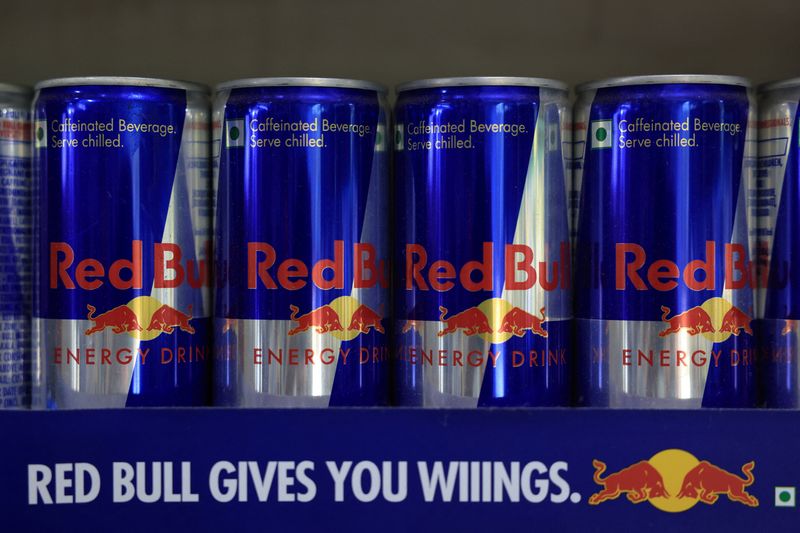
The crackdown explicitly names brands including Pepsi, Red Bull, Monster Beverage, Reliance, and Hell Energy, with references highlighting Pepsi’s Sting energy drink as a local Indian product and its aggressive marketing around 'instant energy'.
4
The move fits a broader global push to scrutinize energy drinks, with English regulations planning an under-16s ban on high-caffeine products and Pakistan sections requiring stimulant-drink labeling.
5
Industry executives warn that removing the 'energy drink' descriptor could damage brands built on instant-energy marketing and disrupt sales, underscoring the regulatory risk in a fast-growing market.
India's food safety regulator has ordered PepsiCo, Red Bull, Monster Beverage, Reliance Consumer Products, and Hell Energy to stop calling their products "energy drinks," giving the companies 90 days to comply. The Food Safety and Standards Authority of India, known as FSSAI, says no official Indian standards exist for high-caffeine beverages and that claims like "boosting vitality" or "aiding general weakness" are misleading to consumers. Hospitality Biz India reported the notices were sent directly to major brands operating in the country.
The move targets one of India's fastest-growing drink categories, a market projected to reach roughly $1.6 billion by 2028. Despite protests from the named companies, FSSAI chief executive Rajit Punhani held firm. In a private briefing, he told industry representatives they were free to challenge the decision in court, according to Reuters.
Why FSSAI Says the Label Is Misleading
FSSAI's core argument is simple: India has no legal definition for "energy drink." Because there is no standard, regulators say companies cannot use the term on packaging. The authority also objects to specific marketing claims. Phrases like "instant energy," "fights general weakness," and "boosts vitality" are health claims, and FSSAI says they are not backed by approved science under Indian food law.
PepsiCo's Sting drink was singled out in the notices, according to Reuters. Sting is made and sold locally in India and has been heavily marketed around the promise of instant energy. That kind of branding is now directly in the regulator's crosshairs. Companies have 90 days from receiving their notices to update labels and remove the disputed language.
Industry Pushback and the Threat to Brand Identity
The named companies did not go quietly. Reuters reported that Pepsi, Red Bull, Monster, Reliance, and Hell Energy all pushed back against the order. Industry executives warned that stripping the "energy drink" label could seriously damage brands built entirely around that identity. Losing the descriptor, they argued, could confuse loyal customers and hurt sales in a highly competitive market.
Despite the protests, industry sources indicated companies are likely to comply after discussions with FSSAI, according to Reuters. Most of the named firms declined to comment publicly. The 90-day window gives brands time to redesign packaging, but executives say the rebranding cost and loss of marketing power are real concerns in a market growing this fast.
India Joins a Global Crackdown on High-Caffeine Drinks
India's move fits a wider global trend. England is planning a ban on selling high-caffeine drinks to anyone under 16. Pakistan now requires special labeling on what it calls "stimulant drinks." Regulators in multiple countries have grown concerned about the health effects of products that combine high caffeine and high sugar, especially when marketed to young people.
FSSAI's crackdown signals that India is no longer willing to let a $1.6 billion market operate without clearer rules. The regulator's willingness to name global giants like Red Bull and Monster — and to tell them they can go to court if they disagree — shows how seriously officials are taking the issue. Whether companies comply quietly or fight back legally will shape the future of the category in one of the world's largest consumer markets.
Sentiment
Mostly NegativeNEGATIVENEUTRALPOSITIVE
Publishers
20
Articles
72
Reach
92
A
AnonymousAuthor


