National Online Testing Infrastructure
India plans national online testing infrastructure following recent NEET exam controversy.
Anonymous
Key Points
1
The proposed shift is being considered in the wake of the NEET-UG paper-leak controversy and amid a broader overhaul of the National Testing Agency, which conducts NEET and other higher-education entrance exams.
2
The infrastructure strategy is being considered through a “multi-model sourcing” approach, meaning the government may use different mechanisms to build and expand testing capacity.
3
Officials are examining not only the infrastructure needed for a transition but also its design and sequencing, including potential equity effects for women candidates and candidates in districts with poor connectivity.
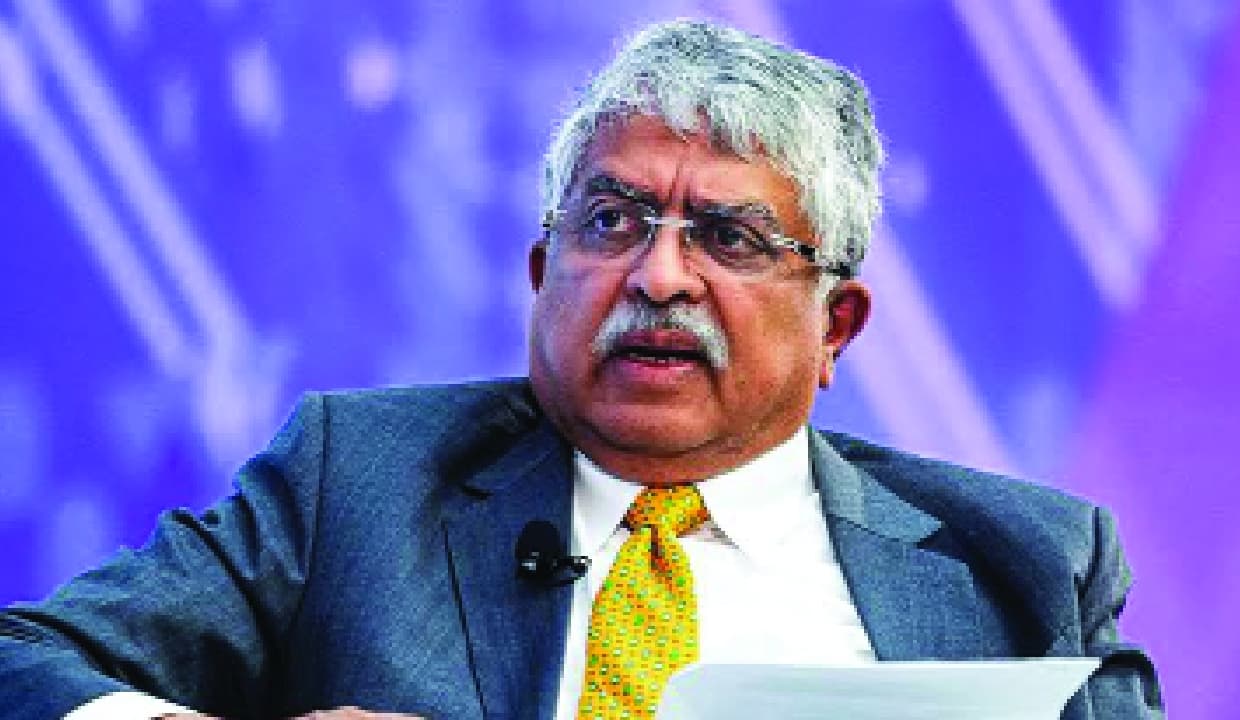
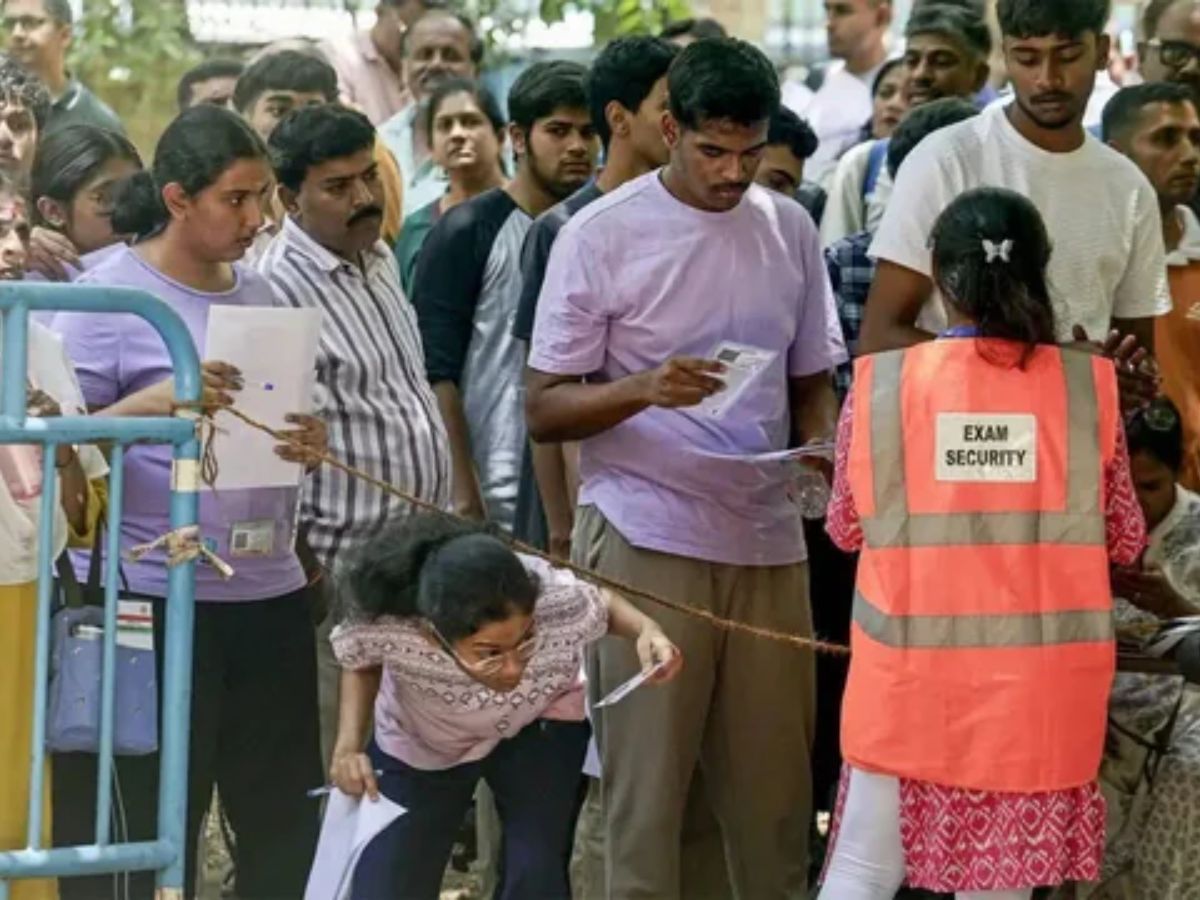
India's Ministry of Education is building a national computer-based testing system that could move NEET-UG—taken by 2.5 million candidates yearly—from paper to online exams Jagran Josh. The shift comes after paper-leak scandals shook the National Testing Agency, which runs medical entrance tests. No final decision has been made yet; officials are waiting for recommendations from a task force led by Infosys co-founder Nandan Nilekani India.com.
The planned infrastructure aims to expand and standardize testing centers across India while protecting rural and remote students Times of India. Officials are also examining how the shift might affect women candidates and areas with poor internet connectivity Telangana Today.
Why NEET is Going Digital After Paper Leaks
The NEET paper-leak scandal sparked this major overhaul of India's entrance exam system Daily Pioneer. Leaked question papers undermined the credibility of the National Testing Agency, prompting the government to modernize how exams are conducted. Moving online would make exams harder to compromise and easier to monitor nationwide.
Computer-based testing also offers faster results and reduces the logistics of managing papers across the country Jagran Josh. Some major tests like JEE Main and CUET already run online, showing the government it can be done at scale.
How the Government Plans to Build Testing Infrastructure
The Ministry of Education is using a "multi-model sourcing" approach, meaning it will tap different methods and partners to build and expand testing capacity India.com. This could include government facilities, private centers, and technology partnerships. Officials are still deciding on the design and sequencing of the rollout.
The strategy must balance speed with fairness Times of India. Planners are examining connectivity gaps, exam-center distribution, and how online testing might differently affect women and candidates in remote districts. Poor internet access in some areas could disadvantage students.
What's Next: Task Force Recommendations and Delays
The government is waiting for a task force led by Nandan Nilekani to submit its recommendations Telangana Today. Officials also plan to consult health authorities before finalizing the plan. No timeline has been announced for when NEET-UG might actually go online.
The infrastructure work signals a broader shift toward computer-based testing across Indian entrance exams Daily Pioneer. However, the government is moving cautiously to ensure rural students and other underserved groups aren't left behind by the digital switch.
Sentiment
Mostly NegativeNEGATIVENEUTRALPOSITIVE
Publishers
17
Articles
15
Reach
32
Topics
A
AnonymousAuthor