Immigration Court Accelerates Deportations
Trump administration's rapid immigration court pace linked to rising deportation orders.
Anonymous
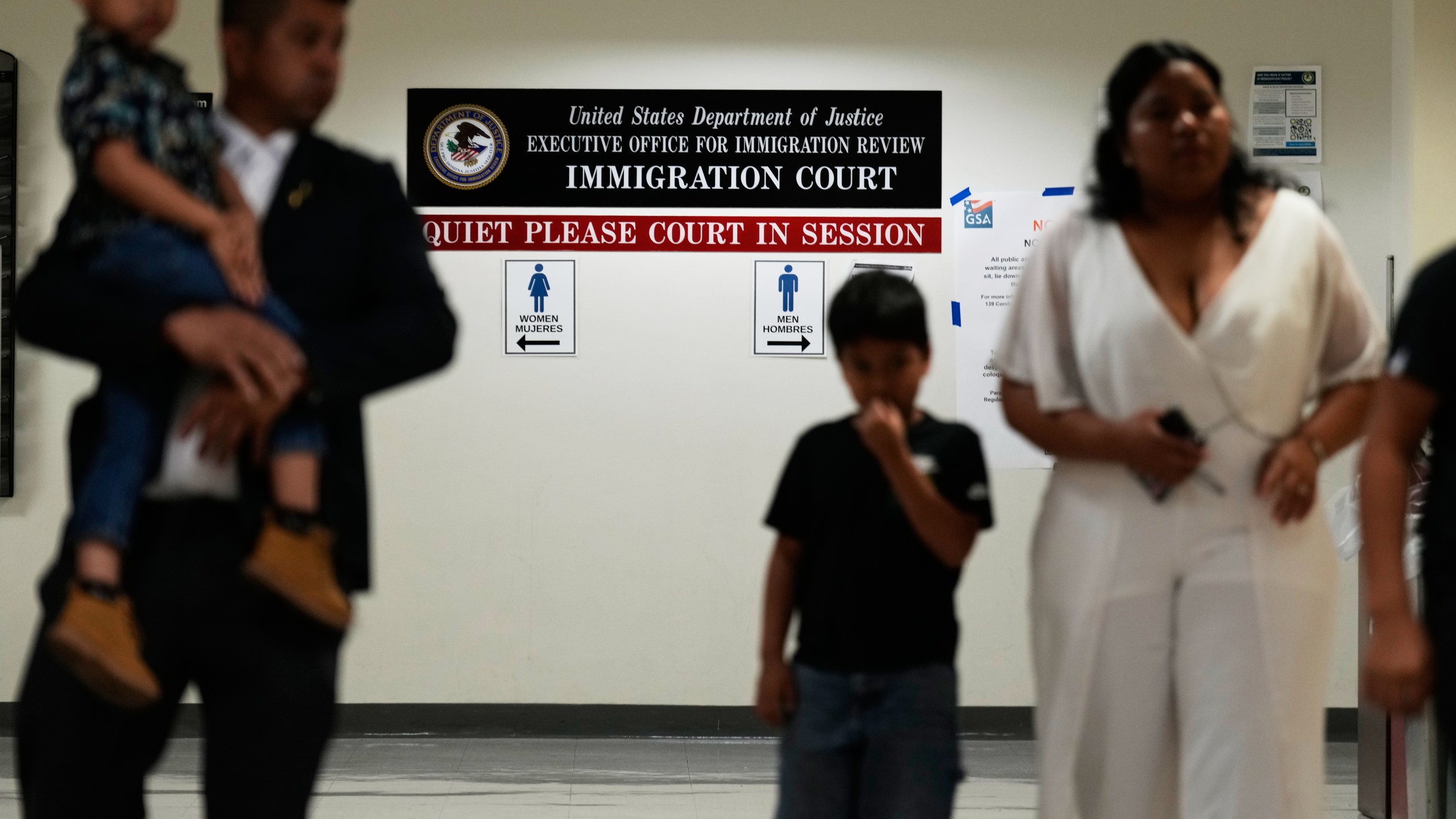
The Trump administration is pushing immigration courts to move faster than ever, and the results are stark. The number of people missing court dates and getting immediately ordered deported has jumped sharply, according to data from Mobile Pathways, a nonprofit that tracks immigration court data.
Courts are now holding what are called "mega master hearings" — large group scheduling sessions meant to process many cases at once. In June alone, more than 1,300 such hearings took place. That is nearly three times the number held in the same month last year, NBC5 reported.
Missed Hearings Surge as Courts Speed Up
When someone misses an immigration court date, a judge can order them deported on the spot. That is called an "in absentia" order. As hearings move faster and dates pile up, more people are failing to appear — and more are being ordered out of the country as a result, according to WCVB.
Advocates say the speed of the process makes it harder for immigrants to keep up. A hearing date can arrive before a person has found a lawyer or even understood what they were required to do. Missing a date — even by accident — can now cost someone their chance to stay in the country.
What Mega Master Hearings Actually Mean
A "master hearing" is the first step in an immigration case. It is a short session where a judge sets future dates and gathers basic information. A "mega" version packs many of these cases into one court session. The goal is to move through the backlog faster, WBAL-TV reported.
The backlog in immigration courts has built up over decades. Millions of cases are pending. The administration says the mega hearing approach is a needed fix. But critics warn that rushing through cases could pressure judges and lead to unfair outcomes for people who have valid legal claims.
Justice Department Defends the Faster Pace
The Justice Department office that runs immigration courts pushed back on concerns. Officials said judges are adjusting their schedules to close cases more quickly while still handling every case "fairly and lawfully," according to KMBC.
Supporters of the faster pace call it a long-overdue course correction. They argue that a system with a years-long wait time is itself unfair. Clearing the backlog, they say, gives everyone — including those with strong cases — a faster answer.
Critics Warn Speed Could Cost Judges Their Edge
Not everyone agrees the rush is healthy. Some legal experts worry that forcing judges to hear more cases in less time will hurt the quality of their decisions. Immigration judges already handle some of the most complex legal questions in the system, KETV reported.
Each case can involve asylum claims, family ties, criminal history, and country-of-origin conditions. Getting those details right takes time. When courts move at breakneck speed, critics say, the risk of getting it wrong — and deporting someone who should stay — goes up.
Sentiment
NeutralNEGATIVENEUTRALPOSITIVE
Publishers
11
Articles
11
Reach
11
A
AnonymousAuthor


