Immigration Court Rush
Trump administration's fast-paced immigration hearings lead to surge in deportations and missed court dates.
Anonymous
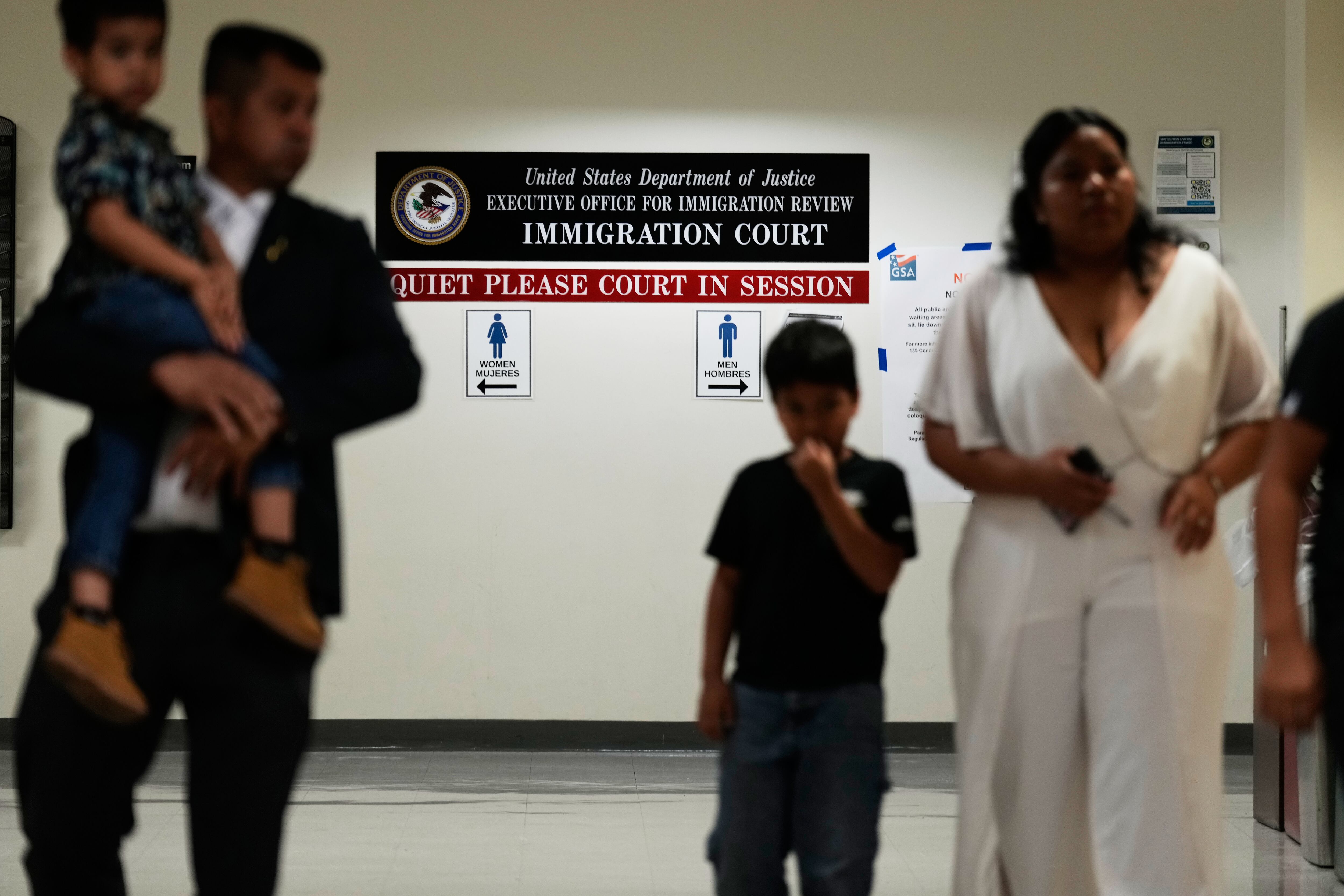
The Trump administration is packing immigration courtrooms and slashing preparation time for hearings in a drive to clear a decades-long court backlog, according to Courier News and KDH News. The result is a historic rise in deportation orders — many issued against people who simply missed their court dates.
Data from Mobile Pathways, a nonprofit that tracks immigration court activity, shows courts held over 1,300 so-called "mega" master hearings in June alone — three times more than the same month last year, according to News4Jax.
"Mega" Hearings Flood Courts With Hundreds of Cases at Once
Immigration courts are now assigning hundreds of cases to a single judge in one sitting. These are called "mega" master hearings. They are designed to move cases faster. But critics say they make it nearly impossible for judges to give each case proper attention, according to Newsday.
The number of these hearings has tripled in just one year. Over 1,300 were held in June 2025 alone. That compares to roughly 430 in June of the prior year, based on Mobile Pathways data cited by WOKV.
Preparation Time Cut From Six Months to Just Over a Month
Courts have also sharply cut the time immigrants get to prepare for hearings. That window used to be about six months. Now it is often just a little over one month, according to Click On Detroit. Immigration cases are complex. They can involve asylum claims, criminal history, and family ties.
Lawyers and advocates say one month is not enough time to build a legal case. Many immigrants cannot afford attorneys. Without proper time or legal help, they are more likely to miss hearings or show up unprepared, according to MyNorthwest.
Missed Court Dates Trigger Automatic Deportation Orders
When someone misses an immigration court date, a judge can issue a deportation order in their absence. This is called an "in absentia" ruling. The rate of these orders has risen sharply alongside the faster hearing schedule, according to WPXI.
Advocates argue that many people miss hearings not because they fled, but because they never got proper notice. Short lead times mean a hearing notice can arrive after the court date has already passed. Critics say this is pushing up deportation numbers in a way that is not a true measure of enforcement, according to Action News Jax.
Critics Warn Speed Is Harming Immigrants With Valid Claims
Immigration judges handle life-altering cases. People with real asylum claims — fleeing violence or persecution — could be deported if the process moves too fast, according to KTBS. Judge performance may also suffer when they are asked to process hundreds of cases in a single session.
The administration says the goal is to clear a backlog that has built up over decades. That backlog now stands in the millions of cases. But Tri City Record notes that speed alone does not fix a system that critics say is already overwhelmed and under-resourced.
Sentiment
NeutralNEGATIVENEUTRALPOSITIVE
Publishers
11
Articles
11
Reach
11
A
AnonymousAuthor


