ICC Convicts Rebel Commander
International Criminal Court convicts Central African rebel commander of crimes against humanity.
Anonymous
Key Points
1
Presiding Judge Miatta Maria Samba said detainees were subjected to “arbatachar,” a torture method in which their hands, elbows and feet were tightly bound behind their backs; others were beaten with ropes and whips and doused with water.
2
The court described an underground cell beneath Said’s office as dark, cramped, dirty and poorly ventilated, with detainees forced to urinate and defecate on a floor covered in waste.
3
Judges ruled that Said was involved in interrogating and mistreating detainees and was present while they were tortured, rather than merely exercising oversight of the detention facility.
4
Prosecutors said many of the detainees were suspected supporters of then-President François Bozizé, providing additional context on how the abuses were linked to the Seleka takeover and ensuing conflict.
5
Former ICC chief prosecutor Karim Khan described the case as unusually straightforward and said Said “encouraged it, he facilitated it, but he also took part in the beatings and mistreatment.”
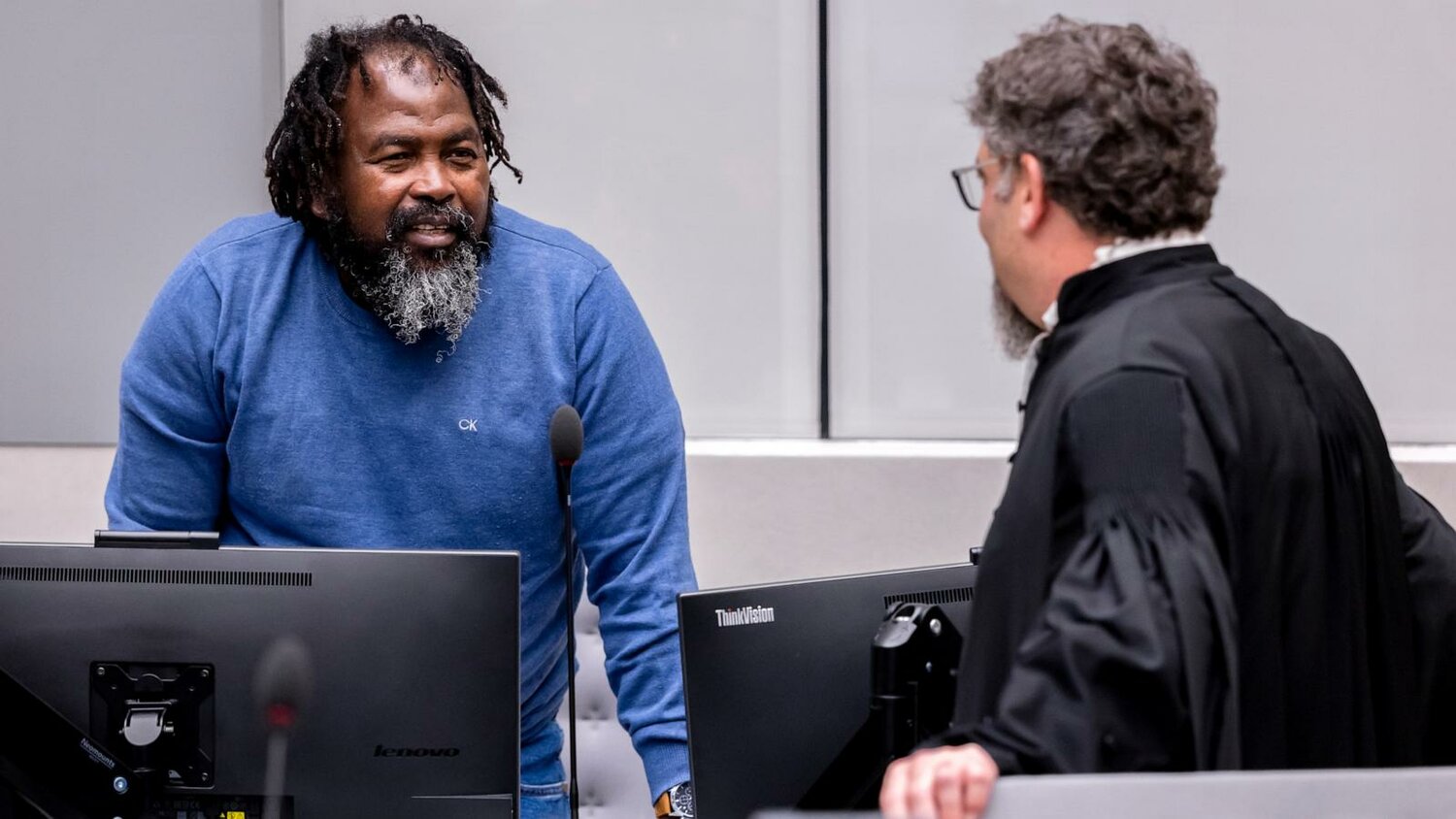
The International Criminal Court convicted former Central African Republic rebel commander Mahamat Said Abdel Kani on four counts of crimes against humanity on Tuesday, finding him guilty of torture and unlawful imprisonment during the country's 2013 civil war Le Monde. Judges ruled that Said personally participated in beating and torturing detainees held at a detention facility in Bangui, rather than merely overseeing the abuse.
Detailed Torture Methods Used at Detention Facility
Presiding Judge Miatta Maria Samba described horrific abuse conditions at the Central Office for the Repression of Banditry, where Said held prisoners Castanet. Detainees suffered a torture technique called "arbatachar," where their hands, elbows, and feet were tightly bound behind their backs. Guards beat them with ropes and whips, then doused them with water.
The court found an underground cell beneath Said's office was dark, cramped, dirty, and poorly ventilated Le Monde. Prisoners were forced to urinate and defecate on floors covered in waste. These degrading conditions violated basic human rights and international law standards.
Said's Direct Role in Torture and Interrogations
Judges determined that Said did not merely oversee the detention facility but actively participated in abusing prisoners Castanet. Evidence showed he was present while detainees were tortured and personally took part in beatings and mistreatment. He also interrogated detainees himself.
Former ICC chief prosecutor Karim Khan stated that Said "encouraged it, he facilitated it, but he also took part in the beatings and mistreatment" Le Monde. Khan called the case "unusually straightforward" in its evidence of personal criminal liability.
Political Context and Acquittal on War Crimes
Prosecutors noted that many detainees were suspected supporters of then-President François Bozizé Le Monde. The Seleka rebel group, which Said commanded, overthrew Bozizé's government in 2013, sparking a brutal civil conflict. The abuse reflected how the military takeover targeted political opponents.
Said was acquitted of three war-crimes charges in the same trial Castanet. He had pleaded not guilty to all accusations. The court will schedule a separate hearing to determine his sentence for the four convictions.
Sentiment
Mostly NegativeNEGATIVENEUTRALPOSITIVE
Publishers
19
Articles
188
Reach
207
A
AnonymousAuthor


