ICC leaders condemn US isolation campaign
ICC leaders condemn US isolation campaign
Anonymous
Key Points
1
The ICC governing-body leaders said the op-ed’s defense of the court was “about preserving the international legal order as we have built it,” describing the ICC as “humanity’s strongest safeguard against a descent into lawlessness and impunity.”
2
Washington’s sanctions included the ICC’s president, Tomoko Akane, and “a senior trial lawyer,” with the administration saying it would also “step up efforts” to get other countries to quit the institution.
3
The JPost report provided jurisdiction detail not included in the summary: the ICC was established in 2002 and asserts jurisdiction only if a member state is “unable or unwilling to prosecute” the alleged atrocities itself.
4
One report specified a concrete trigger for U.S. opposition: it noted the ICC issued an arrest warrant for Israeli Prime Minister Benjamin Netanyahu, and that the U.S. has strongly opposed the court’s cases involving Netanyahu and past investigations involving U.S. personnel.
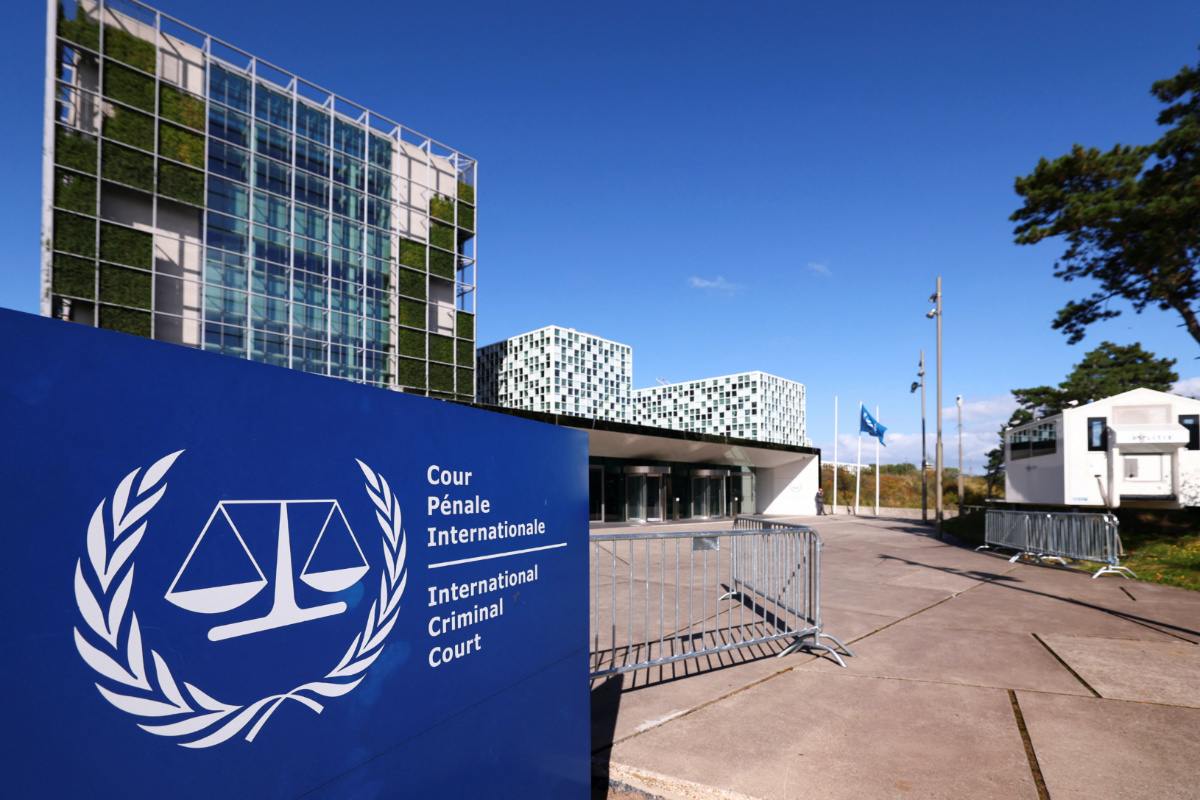
The current and former leaders of the International Criminal Court's governing body are pushing back hard against the Trump administration's campaign to isolate the institution. In a joint op-ed, Sight Magazine reports that ICC President Paivi Kaukoranta and seven former presidents argue that Washington's sanctions and diplomatic pressure are designed to undermine the entire international legal order, not just the court itself.
The ICC leaders say the court is a "humanity's strongest safeguard against a descent into lawlessness and impunity." Al Jazeera notes that the U.S. has sanctioned ICC judges and officials, including the court's president, and is pressuring countries to withdraw from the Rome Statute treaty that created the institution.
What the ICC Does and Why It Matters
The International Criminal Court prosecutes genocide, crimes against humanity, war crimes, and the crime of aggression. JPost explains that the ICC was established in 2002 and only steps in when a member state is unable or unwilling to prosecute atrocities itself. The court is meant as a last resort, not a replacement for national justice systems.
ICC leaders reject the claim that joining international courts erodes state sovereignty. They argue that signing treaties is actually an exercise of sovereignty—countries freely choose to join and follow the rules they collectively agreed to create.
Trump Administration Ramps Up Pressure on the Court
Washington has sanctioned multiple ICC officials, including President Tomoko Akane and a senior trial lawyer at the court. Al Jazeera reports that the administration is also stepping up efforts to convince other countries to withdraw from the institution entirely. These moves come amid U.S. opposition to ICC cases involving Israeli Prime Minister Benjamin Netanyahu and past investigations touching U.S. personnel.
The Bigger Stakes: Law vs. Political Power
The ICC leaders frame this conflict as a fundamental choice: Will international law be enforced through the rule of law, or will it bend to whoever holds the most power? Sight Magazine notes that the op-ed describes the isolation campaign as part of a broader U.S. retreat from multilateralism and a shift toward "might makes right." The leaders warn this approach threatens the entire global legal framework built since World War II.
Sentiment
Mostly NegativeNEGATIVENEUTRALPOSITIVE
Publishers
13
Articles
50
Reach
63
Topics
A
AnonymousAuthor


