Russian Gold Inflows Triple
Hong Kong Becomes Major Conduit for Russian Gold Exports as Flows Triple
Anonymous
Key Points
1
LSEG analyst Devajit Saha said Russian producers have been “increasingly diverting export volumes to Asian markets” since London stopped accepting Russian gold after the outbreak of the Ukraine war.
2
Hong Kong’s share of China’s total gold imports rose to more than 20% last year, highlighting the city’s expanding role as a clearance hub for Sino-Russian bullion trade.
3
Hong Kong imported 92.1 tonnes of Russian gold worth about $10.5 billion in 2025, a 42% increase from the previous year; over the same 2023–25 period, mainland China’s direct Russian-gold imports rose 15-fold to $3.3 billion.
4
Russian gold initially moved through Dubai after the United States began sanctioning Russian miners in 2023, but tighter regulations in the United Arab Emirates made that route less attractive before Hong Kong became the leading hub by late 2023.
5
The People’s Bank of China has been building gold stockpiles in Hong Kong as part of an effort to establish the city as a major bullion-trading center and expand physical-gold storage outside Western-controlled financial infrastructure.
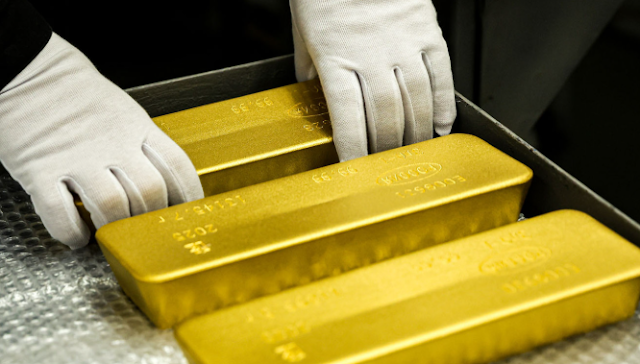
Hong Kong is becoming the world's main gateway for Russian gold, with nearly 100 tonnes arriving in the first seven months of 2026 — almost three times the volume from the same period in 2025, according to BigGo Finance. Western sanctions and London's closure to Russian bullion have forced Moscow to pivot toward Asia, where China and Hong Kong have not joined restrictions on Russian trade.
Hong Kong-based entities have purchased roughly $35 billion of Russian gold since early 2022, while the People's Bank of China uses the city to build gold stockpiles and expand storage outside Western-controlled finance, according to Archynetys. The shift exposes Western-linked banks, refiners, and logistics firms to potential secondary-sanctions risks.
London's Closure Forced Russia Toward Asian Routes
After the Ukraine war erupted, London stopped accepting Russian gold, prompting producers to search for alternative markets. LSEG analyst Devajit Saha said Russian miners have been "increasingly diverting export volumes to Asian markets" to replace lost Western sales. Dubai initially became the hub after 2023, but tighter UAE regulations made that route less attractive.
Hong Kong took over as the leading destination for Russian gold by late 2023, Hoka News reports. The city now handles more than 20% of China's total gold imports, cementing its role as the main clearance hub for Sino-Russian bullion trade.
Hong Kong Imports Exploded While Mainland Direct Purchases Grew Slowly
Hong Kong imported 92.1 tonnes of Russian gold worth about $10.5 billion in 2025 — a 42% increase from 2024, according to BigGo Finance. By contrast, mainland China's direct Russian-gold imports rose just 15-fold over the 2023–25 period to $3.3 billion, revealing Hong Kong's outsized role as an intermediary.
Chinese buyers use Hong Kong to navigate mainland import quotas and store bullion locally, Crypto Briefing explains. The city's role as a storage and trading hub has made it indispensable to Beijing's strategy of diversifying gold holdings outside Western financial infrastructure.
Secondary-Sanctions Risks Grow for Western Financial Players
Western banks, refiners, and logistics companies handling Russian gold through Hong Kong face mounting compliance risks. The U.S. has threatened secondary sanctions against entities that knowingly facilitate Russian sanctions evasion, creating exposure for any firm with Western ties or dollar-clearing relationships.
Despite the record flows, gold prices have barely moved, suggesting markets view this as a structural trade shift rather than a demand shock. Russian producers have simply rerouted supply from West to East — not created new buying pressure that would lift global prices, according to Hoka News.
Sentiment
Mostly PositiveNEGATIVENEUTRALPOSITIVE
Publishers
14
Articles
7
Reach
21
A
AnonymousAuthor


