Abortion Pill Lawsuit
Arkansas, Louisiana and Alabama sue twenty-nine defendants over mailed abortion pills.
Anonymous
Key Points
1
Griffin said Arkansas receives an estimated 300 abortion pills per month, citing a nonprofit that tracks shipments; he also said the estimate does not tell the state what happens to recipients.
2
The attorneys general say the defendants misrepresented the drugs’ safety, efficacy, legality and FDA status, and omitted information about serious complications, remote-screening limits and possible emergencies. These are allegations in the states’ lawsuit.
3
Griffin’s office said the case followed a multi-year investigation.
4
In announcing the suit, Griffin invoked the 2022 Dobbs decision, arguing that abortion laws should be established and enforced at the state level; he said the three states’ laws bar outside groups from facilitating abortions within their borders.
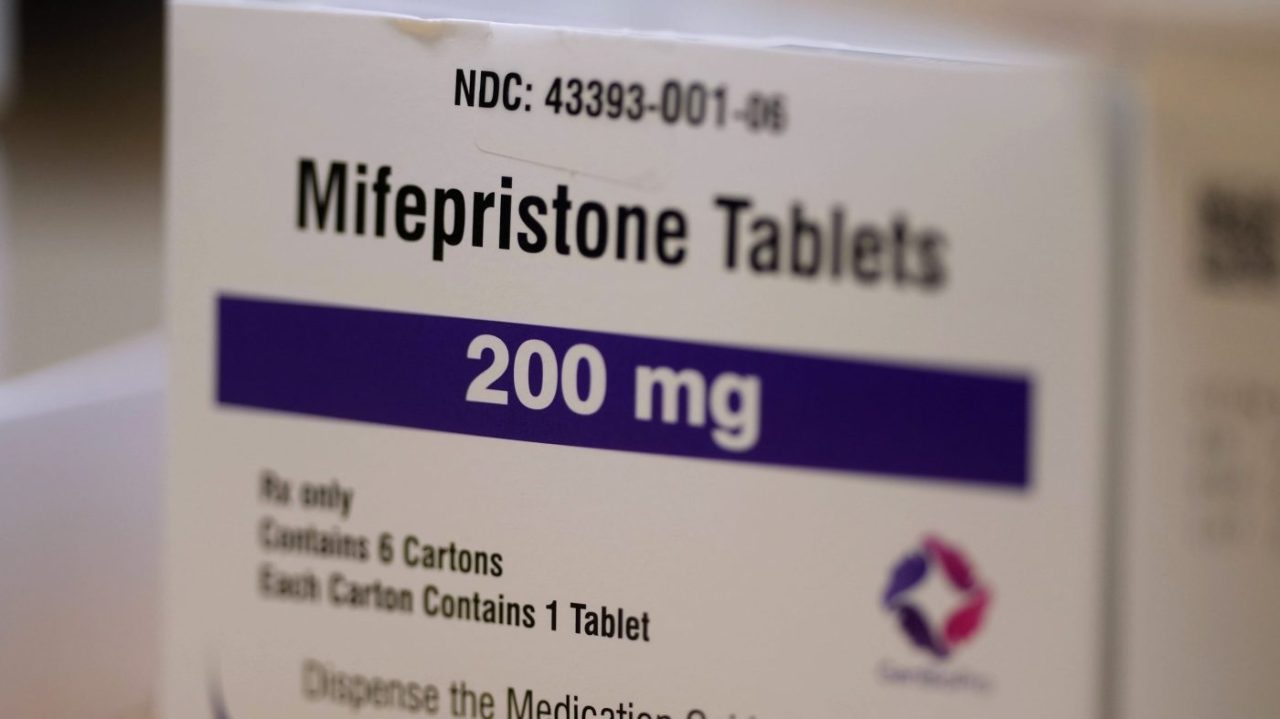
Arkansas, Louisiana, and Alabama filed a civil lawsuit against 29 people and organizations accused of mailing abortion pills into their states in violation of state laws. Arkansas Attorney General Tim Griffin said the case targets providers and distributors, not recipients, and alleges violations of consumer-protection and federal public-nuisance laws. The states also asked the U.S. Supreme Court to invalidate shield laws in California, Massachusetts, and New York that protect abortion-pill providers from liability.
Griffin cited concerns about medication safety and remote screening but acknowledged Arkansas lacks data on how the pills affect recipients. The state estimates it receives about 300 abortion pills per month, according to a nonprofit that tracks shipments. KAIT8 reported the lawsuit followed a multi-year investigation by Griffin's office.
States Target Pill Distributors Across State Lines
The lawsuit accuses 29 defendants of misrepresenting the drugs' safety, efficacy, legality, and FDA status. Arkansas takes part in lawsuit challenging cross-state mailing of abortion pills reports the defendants allegedly omitted information about serious complications, remote-screening limits, and possible emergencies. The case focuses on illegal distribution across state borders rather than individual recipients.
Griffin invoked the 2022 Dobbs Supreme Court decision, arguing that abortion laws should be set and enforced by individual states. He said Arkansas, Louisiana, and Alabama laws bar outside groups from facilitating abortions within their borders. The three states are using consumer-protection and public-nuisance laws to challenge the mailing of pills into their jurisdiction.
Federal Shield Laws Block State Enforcement
The states asked the U.S. Supreme Court to overturn shield laws in California, Massachusetts, and New York. These state protections prevent abortion-pill providers from being held liable in other states. KY3 reports the lawsuit challenges whether one state's laws can protect defendants from legal action in states where abortion is more restricted.
This legal strategy attempts to pierce protections that make it difficult for anti-abortion states to regulate providers operating thousands of miles away. The outcome could reshape how states enforce their abortion restrictions across state lines.
Gaps in Data Complicate State's Safety Claims
Griffin acknowledged a significant blind spot: Arkansas does not know what happens after recipients receive the pills. The state estimates 300 pills arrive monthly but has no information about health outcomes or complications. This gap weakens arguments about medication safety and the need for close medical supervision.
The lawsuit alleges defendants failed to screen patients properly and omitted warnings about emergencies. Yet the states themselves lack the data needed to prove harm actually occurred in their jurisdictions. The case rests partly on legal violations and alleged misrepresentation rather than documented injury.
Sentiment
Mostly NegativeNEGATIVENEUTRALPOSITIVE
Publishers
13
Articles
8
Reach
21
A
AnonymousAuthor


