National Park Safety Guide
Experts Share Essential Safety Tips to Avoid Dangerous Mistakes in National Parks
Anonymous
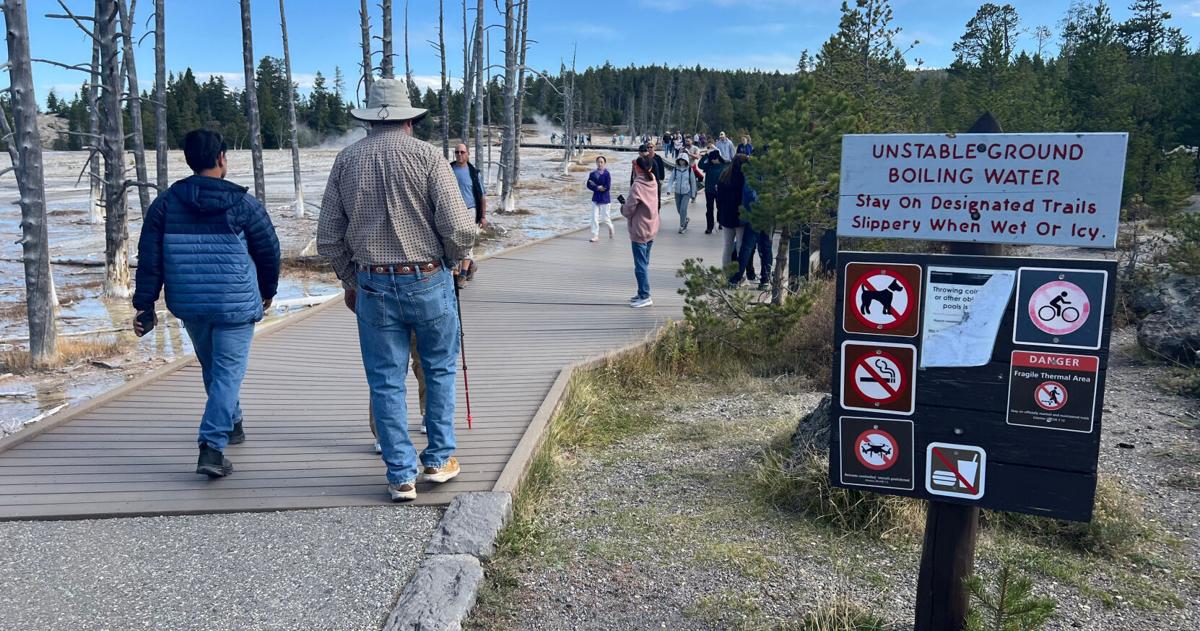
A visitor to Glacier National Park fell 120 feet into the water and survived with broken ribs, a fractured elbow and wrist, and lost bone and cartilage Star Herald. He was airlifted to a Montana hospital and spent a week recovering before returning home to North Carolina. The near-fatal accident highlights how quickly national parks can turn dangerous.
Park rangers and safety officials warn that one small mistake can become life-threatening in remote backcountry. Conditions change fast depending on weather, terrain, and elevation. Proper planning and preparation can mean the difference between a great trip and a medical emergency Columbus Telegram.
Check Park Alerts Before You Go
The first step to staying safe is checking your park's website before arrival Tulsa World. Look for weather alerts, trail closures, and safety updates specific to where you plan to visit. Conditions can change from day to day. Park websites list hazards, recommended gear, and seasonal dangers you need to know.
Know Your Fitness Level and the Terrain
Mike Garel, chief ranger at Lake Mead National Recreation Area, says visitors should honestly assess six things: terrain difficulty, elevation gain, weather conditions, how remote the area is, their own fitness level, and what equipment they have Columbus Telegram. A steep trail at high elevation in bad weather requires much more preparation than a flat walk.
Pack Extra Food and Water for Delays
Wade Mathews, public information officer for Garfield County Sheriff's Office in Utah, recommends bringing more supplies than you think you'll need Billings Gazette. If you get lost or injured, extra food and water can keep you alive for hours or days while rescue arrives. Always assume something might go wrong.
Plan for an overnight stay even if you expect to return by evening Billings Gazette. Bring a headlamp, warm clothes, and a basic first-aid kit. These items weigh little but can save your life if you're stuck in the park after dark.
Sentiment
NeutralNEGATIVENEUTRALPOSITIVE
Publishers
16
Articles
15
Reach
16
A
AnonymousAuthor


