Bypassing Hormuz for Better Pricing
Iraq Transports Two Million Barrels of Crude Beyond Strait of Hormuz
Anonymous
Key Points
1
The operation was carried out under direct orders from Iraq’s prime minister and the supervision of the oil minister, according to IOTC’s director general.
2
IOTC said the move could help SOMO capture premium pricing benchmarks, reduce maritime transit risk premiums for buyers and improve export revenues.
3
Iraq had previously obtained Iranian permission for its tankers to pass through Hormuz; amid recent shipping disruption, it has also used tanker transfers and other arrangements and offered discounts to attract buyers.
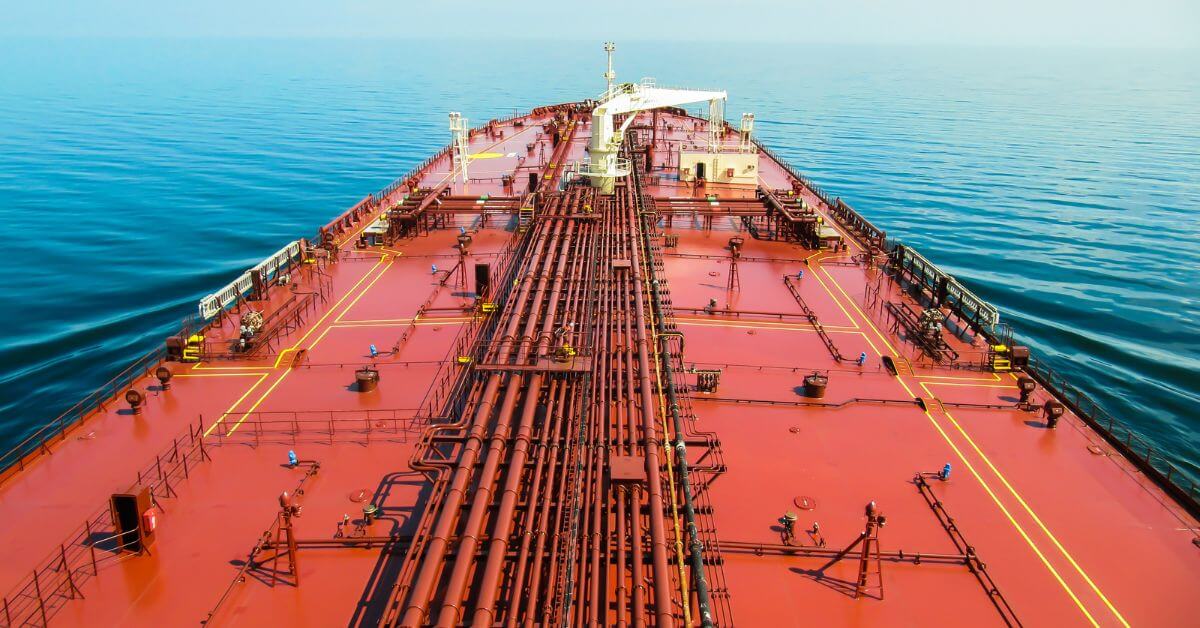
Iraq's state-owned Oil Tanker Company moved 2 million barrels of crude beyond the Strait of Hormuz aboard a chartered super tanker this week — the first time in decades the company has done so Hellenic Shipping News. The move, ordered directly by Iraq's prime minister and overseen by the oil minister, signals a major shift in how Iraq sells its oil and opens new markets beyond the Persian Gulf Marine Insight.
Iraq is looking to escape the bottleneck of Hormuz, where shipping has faced growing disruptions. By moving oil beyond the strait, Iraq's state oil marketer SOMO can now reach buyers worldwide and capture higher prices. The company plans to buy its own tankers to compete with regional shipping operators and reduce reliance on chartered vessels Economic Times. Bastille Post
Why Iraq Needed a New Route
For decades, Iraq moved all its oil through Hormuz. But the strait is a chokepoint. Recent attacks and tensions have disrupted shipping and forced Iraq to offer discounts to attract buyers Hellenic Shipping News. By sending crude beyond Hormuz, Iraq can reach international markets directly and set prices on benchmark markets where premiums are higher.
What This Move Means for Iraq's Oil Sales
The 2 million-barrel shipment gives SOMO more control over where and how it sells oil Marine Insight. Instead of selling at Basra and letting buyers arrange transport, Iraq now moves the crude itself. This reduces transit risk for buyers — and Iraq can charge for that safety. It also opens the door to premium pricing on global benchmarks, not just regional ones.
The move cuts out middlemen and improves Iraq's export revenues Economic Times. Iraq had already obtained Iranian permission to use Hormuz and arranged tanker transfers during disruptions. But owning the transport means Iraq keeps more profit and has less exposure when shipping lanes close.
Iraq's Plan to Build a Shipping Fleet
Iraq's Oil Tanker Company has been directed to buy and own specialized super tankers — not just charter them Economic Times. This is a long-term bet. Owning tankers lets Iraq compete directly with regional shipping giants and protects it from charter rate spikes. It also gives Iraq more flexibility during crises when chartered ships vanish from the market.
A Signal of Iraq's Oil Independence
This operation reflects Iraq's shift toward managing its own destiny in oil markets Marine Insight. No longer dependent on third-party shippers or confined to Basra, Iraq can now respond to global demand. The direct orders from the prime minister show Iraq views energy exports as critical to its economy and political stability.
Sentiment
Mostly PositiveNEGATIVENEUTRALPOSITIVE
Publishers
20
Articles
51
Reach
71
A
AnonymousAuthor


