Red Sea Tensions Flare
Houthis Claim Rerouting Eight Saudi Oil Tankers Around Africa Amid Escalating Conflict
Anonymous
Key Points
1
Houthis stated they would not impose transit fees on ships passing through the Bab al-Mandab, countering earlier tensions over navigation charges.
2
Data from analytics firm Kpler showed 47 vessels had crossed the Bab al-Mandab in both directions on a Friday, indicating ongoing shipping traffic despite threats.
3
Saudi-led coalition announced on July 30 the formation of a maritime coalition to protect freedom of navigation in the Bab al-Mandab, Red Sea, and Gulf of Aden, with member states including Bangladesh, Bahrain, Djibouti, Egypt, Jordan, Yemen, Qatar, the Comoros, Kuwait, Pakistan, Somalia, Sudan, and Türkiye.
4
Saudi authorities confirmed a strike on the tanker Encelia amid the ongoing tensions, noting that all crew members were safe.
5
Houthis also claimed attacks on Saudi Aramco facilities in the port cities of Jizan and Yanbu using missiles and drones in the period of heightened exchange.
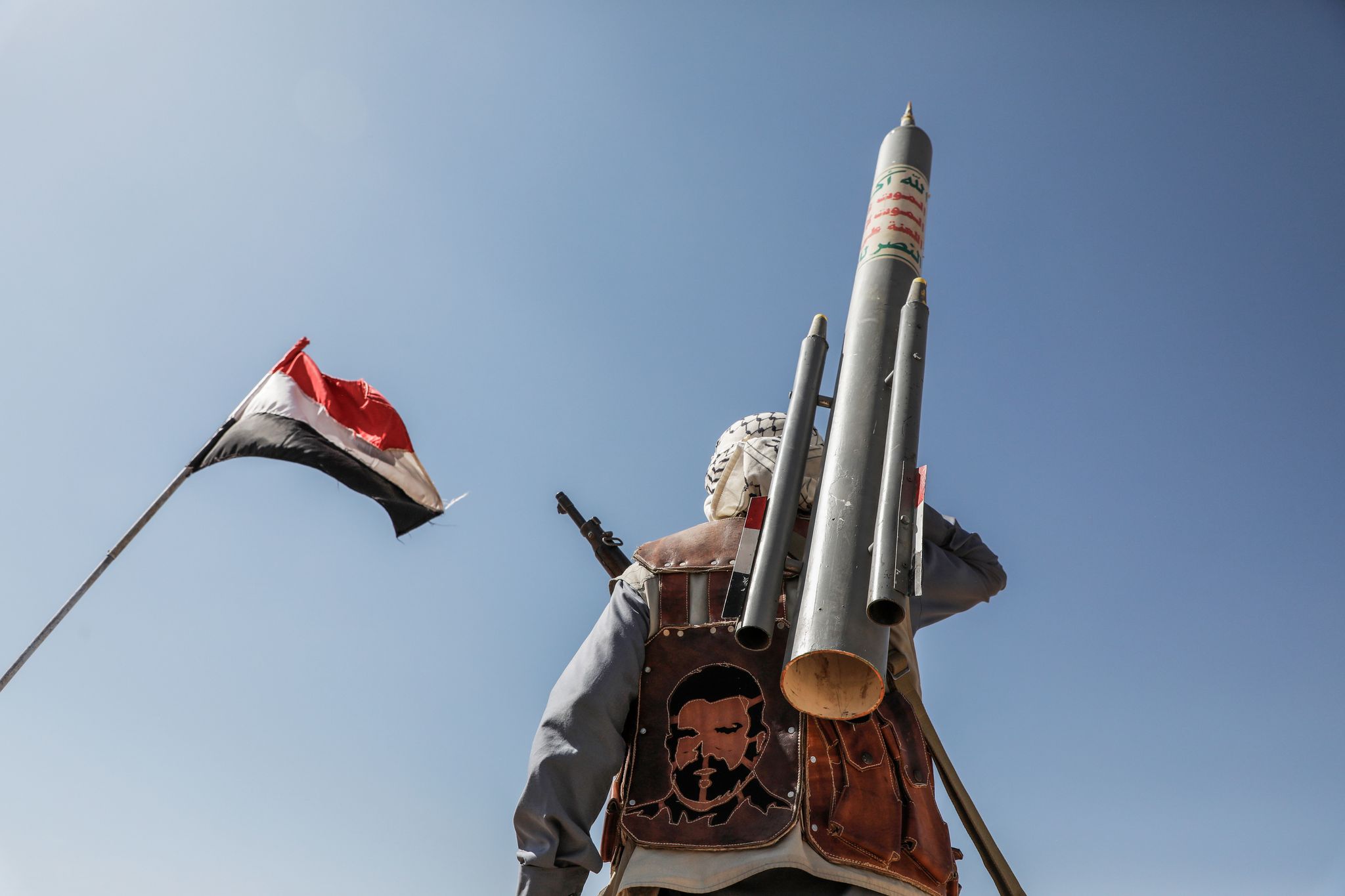
Yemen's Houthi rebels claim they have forced eight Saudi oil tankers to reroute around Africa via the Cape of Good Hope, in what they call a "blockade for blockade" strategy against Saudi Arabia. Yahoo News reported the tankers must now take the far longer African route instead of passing through the Red Sea and Bab al-Mandab Strait.
Houthi spokesperson Yahya Saree warned that Yemeni forces would continue targeting Saudi vessels, according to Middle East Eye. The move marks a sharp escalation in the Yemen conflict, threatening one of the world's busiest energy shipping corridors.
Houthis Impose Naval Blockade on Saudi Oil Exports
The Houthis say the rerouting is retaliation against Saudi Arabia's own blockade of Yemen. By forcing tankers away from the Bab al-Mandab Strait, the rebels are directly targeting Saudi oil revenues. TASS reported the group added it would not impose transit fees on other ships passing through the strait, a key clarification aimed at limiting broader shipping disruption.
Despite the threats, shipping traffic has not stopped entirely. Data from analytics firm Kpler showed 47 vessels crossed the Bab al-Mandab in both directions on a single Friday. That suggests the blockade is selective — focused on Saudi-linked ships rather than all commercial traffic.
Saudi Tanker Struck as Attacks on Aramco Facilities Escalate
The naval pressure is part of a wider Houthi offensive. The rebels claimed missile and drone strikes on Saudi Aramco facilities in the port cities of Jizan and Yanbu. Saudi authorities confirmed a strike on the tanker Encelia, though they noted all crew members were safe, according to Yahoo News.
The strikes signal that the Houthis are expanding their campaign beyond Yemen's borders. Hitting Aramco infrastructure and oil tankers at the same time puts pressure on Saudi energy exports from two directions at once.
Saudi-Led Maritime Coalition Forms to Guard Red Sea Routes
Saudi Arabia is pushing back. On July 30, a Saudi-led coalition announced the formation of a maritime alliance to protect freedom of navigation in the Bab al-Mandab, Red Sea, and Gulf of Aden. The coalition includes 13 member states: Bangladesh, Bahrain, Djibouti, Egypt, Jordan, Yemen, Qatar, the Comoros, Kuwait, Pakistan, Somalia, Sudan, and Türkiye, according to Middle East Eye.
The coalition's formation shows how seriously regional powers view the threat to shipping. The Bab al-Mandab is a narrow chokepoint connecting the Red Sea to the Gulf of Aden. Roughly 10% of global trade passes through it each year.
Longer Voyages Around Africa Could Raise Oil Costs
Rerouting around the Cape of Good Hope adds thousands of miles to each voyage. That means higher fuel costs, longer delivery times, and tighter oil supply on global markets. Analysts warn the bottleneck could worsen if the Houthis extend their campaign to the Strait of Hormuz or hit more tankers.
The situation remains fluid. Competing claims from Houthi officials and Saudi authorities make it hard to verify the full scope of the disruption. But with eight tankers already diverted and attacks on Aramco facilities ongoing, the pressure on Red Sea shipping is real and growing, according to TASS.
Sentiment
Mostly NegativeNEGATIVENEUTRALPOSITIVE
Publishers
11
Articles
2
Reach
13
A
AnonymousAuthor


