Haitian President Assassination Suspects
Eighteen suspects in the 2021 assassination of Haitian President Jovenel Moïse transferred to US
Anonymous
Key Points
1
The four men convicted in May were linked to CTU, a Florida-based private security firm, and prosecutors said they were attracted by the prospect of winning lucrative contracts after Moïse’s ouster. They were convicted on charges including conspiracy to kill or kidnap Moïse, providing material support, and violating the U.S. Neutrality Act.
2
Moïse’s security detail did not intervene during the attack, even though the president was killed at his private residence by a hired group of roughly 20 military-trained Colombian mercenaries.
3
Haitian human-rights activist Pierre Espérance called the transfer of the suspects to the United States a “disgrace for the Haitian justice system” and urged an overhaul of Haiti’s courts so they can handle major cases independently.
4
The assassination’s aftermath has been tied to Haiti’s broader political and security crisis: Moïse’s killing created a major political vacuum and emboldened armed groups. Haiti is now preparing, if security conditions permit, to hold its first presidential and legislative elections since 2016, along with a constitutional referendum, on December 13.
5
The international security response remains incomplete: a U.N.-backed Gang Suppression Force was expected to expand between April and October toward a planned strength of 5,500 uniformed personnel and 50 civilian staff.
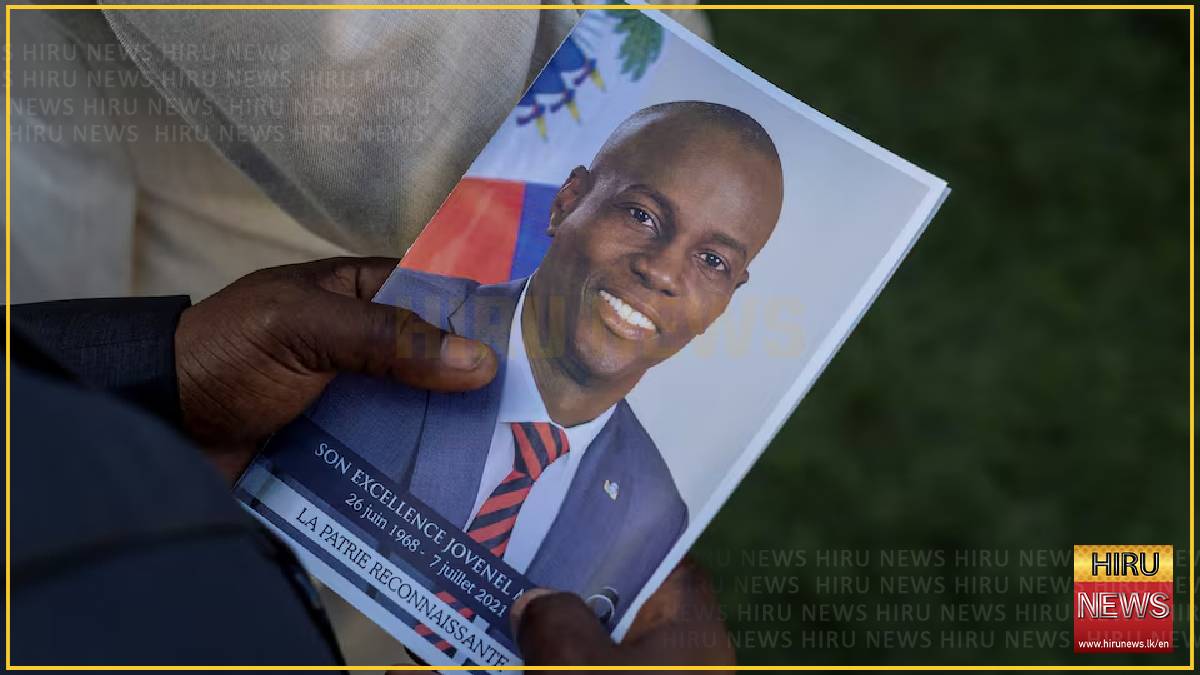
Eighteen suspects in the 2021 assassination of Haitian President Jovenel Moïse were flown to the United States on a military aircraft and will face federal trial in Florida, US Officials announced. The transfer comes five years after gunmen fatally shot Moïse at his Port-au-Prince home, and follows May convictions of four South Florida men accused of organizing the conspiracy from the United States.
U.S. prosecutors say the plot was partly orchestrated from South Florida, where defendants recruited and equipped roughly 20 former Colombian soldiers to carry out the killing. Reuters reported that 30 people have been indicted overall, though Human Rights Watch notes Haiti's own courts have yet to bring a single case to trial five years later.
The South Florida Conspiracy Behind Moïse's Death
Four men from South Florida were convicted in May on charges including conspiracy to kill or kidnap Moïse and violating the U.S. Neutrality Act. FBI documents show they were linked to CTU, a private security firm based in Florida, and were motivated by prospects of winning lucrative government contracts if Moïse were removed from power. Prosecutors say they helped recruit Colombian military veterans for the operation.
The conspiracy highlights how events in Haiti have direct ties to criminal networks in the United States. South Florida has long served as a hub for arms dealing and mercenary recruitment tied to Latin American conflicts, making it a natural staging ground for those planning Moïse's removal.
Security Failures the Night of the Killing
President Moïse was shot dead at his private residence by the hired group of Colombian mercenaries on July 7, 2021. Associated Press reported that Moïse's own security detail never intervened during the attack, raising questions about whether insiders helped facilitate the assassination. The president was 53 years old at the time of his death.
Haiti's Justice System Faces Criticism Over Stalled Case
Haitian human-rights activist Pierre Espérance called the extradition of suspects to the U.S. a "disgrace for the Haitian justice system," CNN reported. He urged a complete overhaul of Haiti's courts so they can handle major criminal cases independently. The fact that Haiti has produced zero convictions in five years stands in sharp contrast to the U.S. prosecution's rapid progress.
The stalled domestic case reflects Haiti's broader collapse of state institutions. Political violence and armed gangs have intensified since Moïse's death, destabilizing the country further and preventing normal court operations.
Haiti's Political Crisis and Planned Elections
Moïse's assassination created a major political vacuum that armed gangs quickly exploited. Haiti is now preparing to hold its first presidential and legislative elections since 2016, along with a constitutional referendum, scheduled for December 13 if security conditions allow. UN News reported that a U.N.-backed Gang Suppression Force is expanding toward a planned strength of 5,500 uniformed personnel.
Sentiment
Mostly NegativeNEGATIVENEUTRALPOSITIVE
Publishers
28
Articles
227
Reach
255
A
AnonymousAuthor


