Russian-Linked Assassination Plot
U.S. prosecutors charge five men linked to Russian intelligence over alleged assassination plots.
Anonymous
Key Points
1
The indictment identifies Yuri Khrameev, 63, and his son Kirill Khrameev, 27, as alleged Russian intelligence members; Oemis Romagoza Durruthy, 35, a Cuban national living in Russia, allegedly coordinated attacks, while Yaidel Delgado Suarez allegedly recruited people in the United States for “surveillance and murder.”
2
The Kremlin’s spokesperson, Dmitry Peskov, said Russia would not comment on the case until it had seen “coherent evidence and arguments based on something tangible.”
3
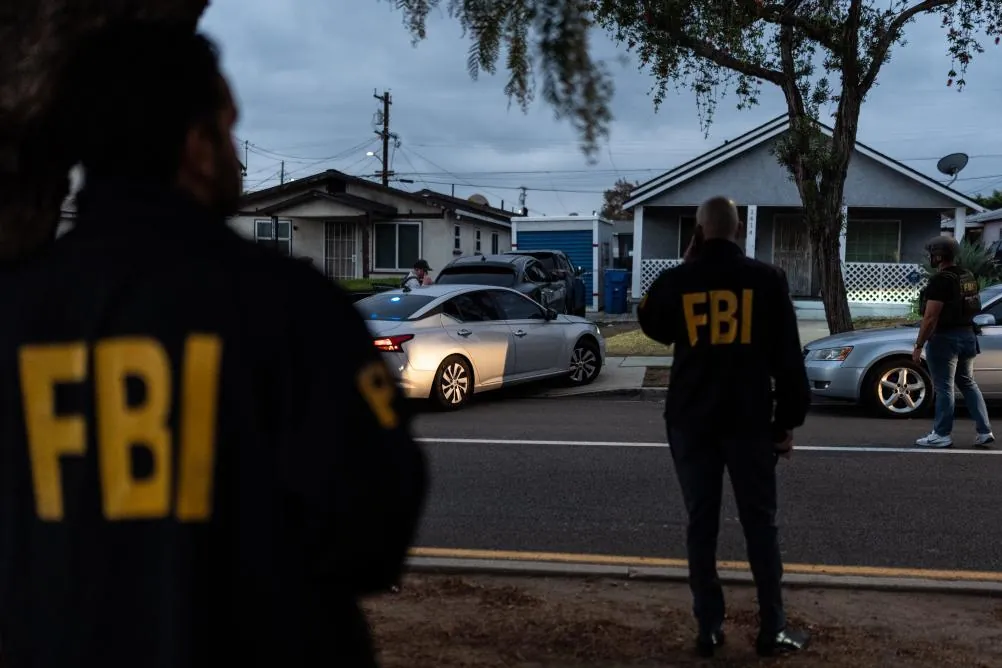
FBI officials said the alleged plot was disrupted through cooperation among multiple field offices, federal components and partner agencies; New York FBI chief James C. Barnacle Jr. described the network as having conspired to “intimidate, threaten, or murder people on U.S. soil and around the world.”
4
Prosecutors said Yuri Khrameev offered a U.S. citizen $25,000 last year to track and kill a person in Lithuania’s capital who was allegedly “telling lies about Russia.”
5
U.S. Attorney Jamie McDonald called the alleged network “brazen, aggressive, and far-reaching,” saying the charges were intended to signal that U.S. authorities would prosecute people involved in state-sponsored violence regardless of where they operate.
U.S. prosecutors have charged five men with running a Russian-backed assassination network that targeted dissidents in America and sabotaged infrastructure across Europe. According to Department of Justice, the defendants offered bounties ranging from $25,000 to $40,000 to kill a prominent dissident near Washington, D.C., and coordinated attacks on European power grids. All five remain at large, believed to be in Russia.
FBI Director Kash Patel said the plot exposed how adversaries aim to "silence its critics" through transnational violence. U.S. Attorney Jamie McDonald called the network "brazen, aggressive, and far-reaching," vowing to prosecute anyone involved in state-sponsored violence regardless of location. The Kremlin declined to comment without what it called "coherent evidence."
Who the Defendants Are and What They Allegedly Did
Law enforcement identified five men: Yuri Khrameev, 63, a former Russian intelligence colonel; his son Kirill Khrameev, 27, an FSB officer; and three nationals from Cuba and Venezuela—Oemis Romagoza Durruthy, 35; Yaidel Delgado Suarez; and Angel Eduardo Castro. According to charges, they conspired to finance terrorism, murder for hire, and sabotage across the U.S. and Europe.
The network allegedly recruited a Brooklyn resident in July 2026 to surveil a Russian dissident in the D.C. area. They offered $1,000 to $1,500 for surveillance photos and up to $40,000 to eliminate the target. In a separate plot, Yuri Khrameev offered $25,000 to kill someone in Lithuania's capital for "telling lies about Russia," according to prosecutors.
Targeting Europe's Infrastructure After Ukraine Invasion
After Russia's 2022 invasion of Ukraine, the network expanded beyond assassinating dissidents to attacking civilian and military infrastructure in countries supporting Ukraine. Prosecutors said Oemis Romagoza Durruthy coordinated arson and sabotage operations in Lithuania and the Czech Republic, arranging travel and communications for operatives.
Yuri Khrameev proposed arson or attacks on electrical substations as alternatives to the assassination plot in Lithuania. The shift showed how Russian intelligence was adopting hybrid warfare—mixing targeted killings with infrastructure destruction—against NATO allies and Ukraine supporters.
How U.S. Agencies Disrupted the Alleged Plots
FBI New York coordinated with multiple field offices and partner agencies to disrupt the network before operations succeeded. James C. Barnacle Jr., head of the New York FBI office, said defendants conspired to "intimidate, threaten, or murder people on U.S. soil and around the world." The cooperation prevented attacks on American dissidents and European targets.
U.S. Attorney General Todd Blanche stated: "It is our job to stop America's adversaries from unleashing violence and terror on American soil." The DOJ unsealed the indictment on September 15, 2026, to expose the operation and restrict the defendants' international movement and finances.
The Kremlin's Response and Broader Implications
Kremlin spokesperson Dmitry Peskov declined to comment without "coherent evidence and arguments based on something tangible." The indictment signals a widening gap between Washington and Moscow over state-backed violence, with the U.S. now willing to charge Russian officials in absentia to disrupt transnational repression networks.
The charges highlight a shift in Russian tactics: outsourcing assassinations to non-Russian operatives from Cuba and Venezuela to maintain plausible deniability. Analysts expect the U.S. to increase protection for Russian defectors and anti-war activists in America and Europe amid heightened threat levels.
Sentiment
Mostly NegativeNEGATIVENEUTRALPOSITIVE
Publishers
49
Articles
437
Reach
486
A
AnonymousAuthor


