Yemeni Airstrike Escalation
Yemeni Forces Launch Airstrikes on Houthi Strongholds Following Aramco Facility Attack
Anonymous
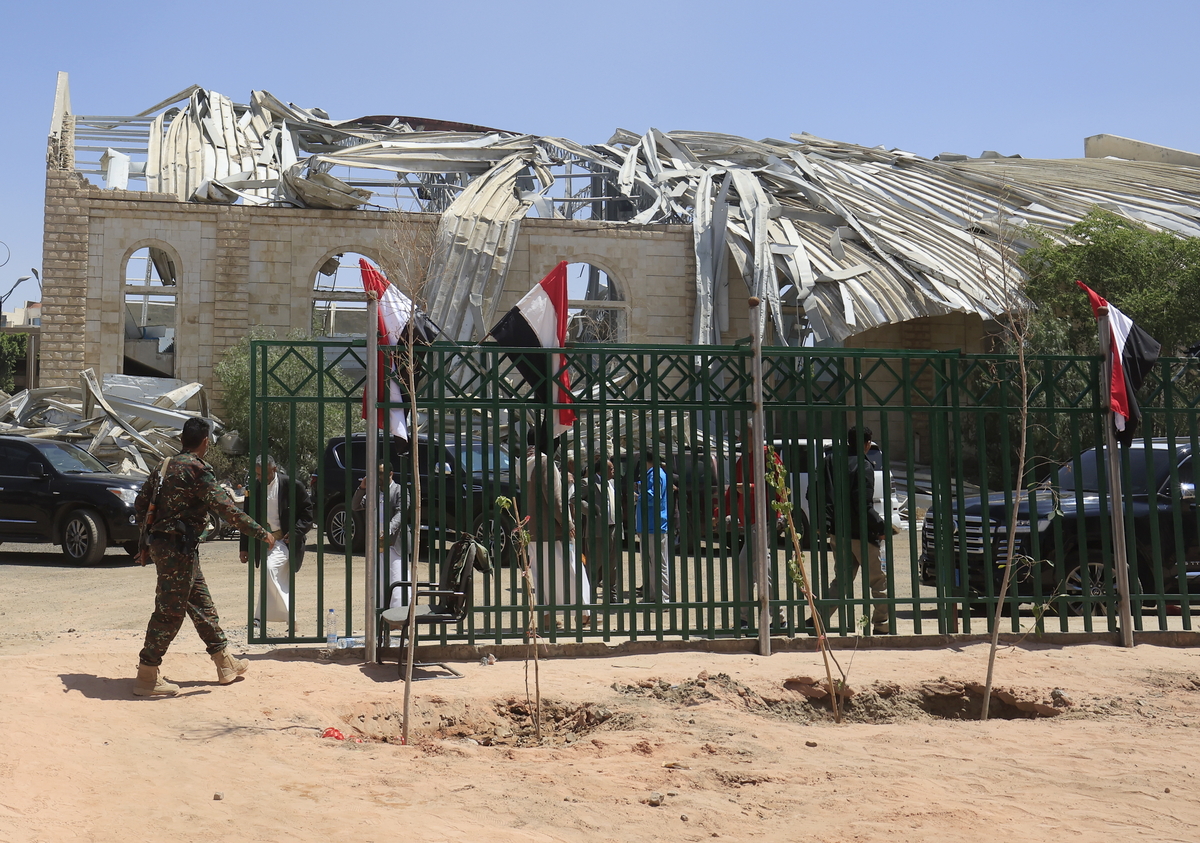
Yemen's internationally recognized government confirmed strikes on Houthi-controlled Sanaa and Saada on October 3-4, targeting what it called "vital targets" of the rebel militia. The counterattacks came after the Iran-aligned Houthi group claimed responsibility for a ballistic missile and drone strike on a Saudi Aramco refinery south of Riyadh, marking the first direct assault on the Saudi capital's energy infrastructure since 2022, according to Devdiscourse.
The escalating exchange of strikes reflects a dramatic breakdown in the four-year truce between Yemen's warring factions. Houthi military spokesperson Yahya Saree said the Riyadh attack was retaliation for "Saudi aggression against the capital, Sanaa, and the liberated provinces," while Yemen's government vowed that "the capabilities of the Houthi militia will not be safe from the fire of our armed forces," according to Mathrubhumi.
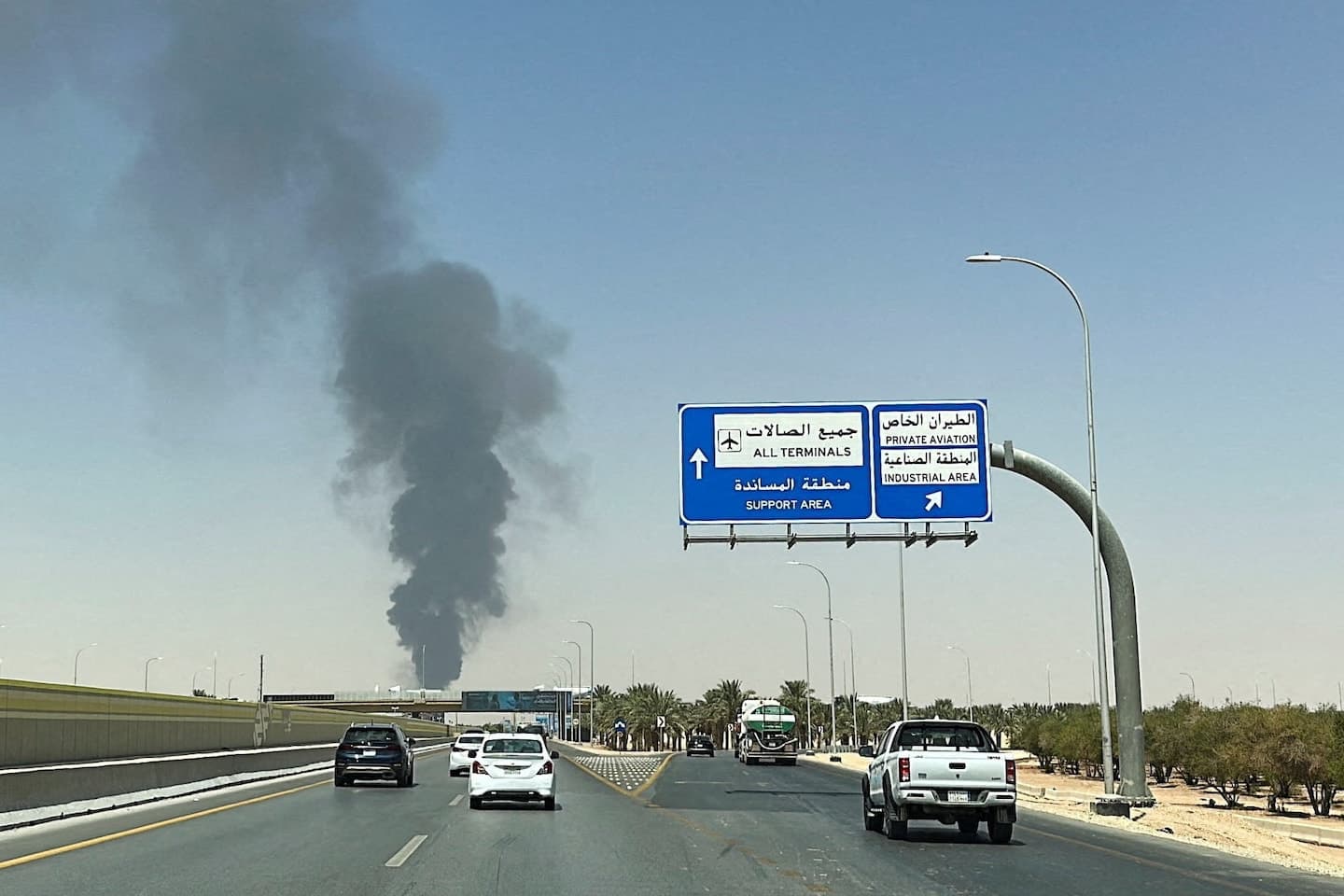
Houthi Strike Hits Saudi Aramco Facility Near Riyadh
On October 3, a large fire and smoke plume erupted at the Saudi Aramco refinery complex south of Riyadh. Houthi military spokesperson Yahya Saree claimed the group launched both ballistic missiles and drones in the operation. Eyewitness reports from Reuters and AFP confirmed visible flames and emergency response vehicles at the site, validating the attack's impact despite limited formal Saudi government statements, per Mathrubhumi.
Yemen Government Retaliates With Airstrikes on Rebel Strongholds
Yemen's internationally recognized government responded by striking Houthi-controlled cities Sanaa and Saada on October 3 and 4. The government's armed forces spokesman declared: "We are delivering painful strikes against vital targets of the terrorist Houthi militia." Residents in Sanaa reported at least seven major explosions within minutes during the raids, according to DailyHunt.
The government warned it would continue targeting Houthi military capabilities. This marks an aggressive escalation, with SedDaily reporting that strikes on areas around Sanaa continued for a second consecutive day, indicating sustained military operations rather than isolated incidents.
Fighting Reignites After Four Years of Fragile Truce
Hostilities between Yemen's Iran-aligned Houthis and Saudi-backed forces erupted in July 2026 after a four-year ceasefire. The fighting accelerated in September when Houthis launched an offensive seizing Yemen's Red Sea coast and the critical Bab al-Mandab strait. Since then, the coalition has conducted over 60 strikes in single 24-hour periods, with Houthis claiming 1,410 total coalition strikes since July.
The Houthi group declared a naval blockade on Saudi shipping in the Red Sea. Saree pledged to match "blockade with blockade, and escalation with escalation," signaling the conflict will likely intensify. Active strikes now span six provinces: Sanaa, Saada, Taiz, Hajjah, Amran, and Ibb, according to reports from Tribune India.
Global Energy Markets Face Renewed Volatility and Risk
Direct strikes on Aramco's Riyadh refinery threaten to disrupt global energy supplies and spike oil prices. The attack marks a dangerous precedent, recalling major Houthi operations from 2019 and 2021-2022 that rattled markets worldwide. Insurance premiums for ships navigating the Red Sea and Arabian Gulf are likely to surge as maritime routes face heightened threat.
The humanitarian toll is mounting as millions of Yemenis depend on imports through Red Sea ports now caught in active bombardment and blockade. The conflict shows no signs of diplomatic resolution, with both sides hardening positions. Saudi coalition spokesman Col. Turki al-Maliki dismissed Houthi claims about the Riyadh strike as "misleading," accusing the group of trying to "divert attention from the scale of its losses."
Sentiment
Mostly NegativeNEGATIVENEUTRALPOSITIVE
Publishers
34
Articles
26
Reach
60
A
AnonymousAuthor