Surging Diesel Fuel Costs
Surging Diesel Prices Driven by Oil Disruptions Raise Costs for Schools and Transit Systems
Anonymous
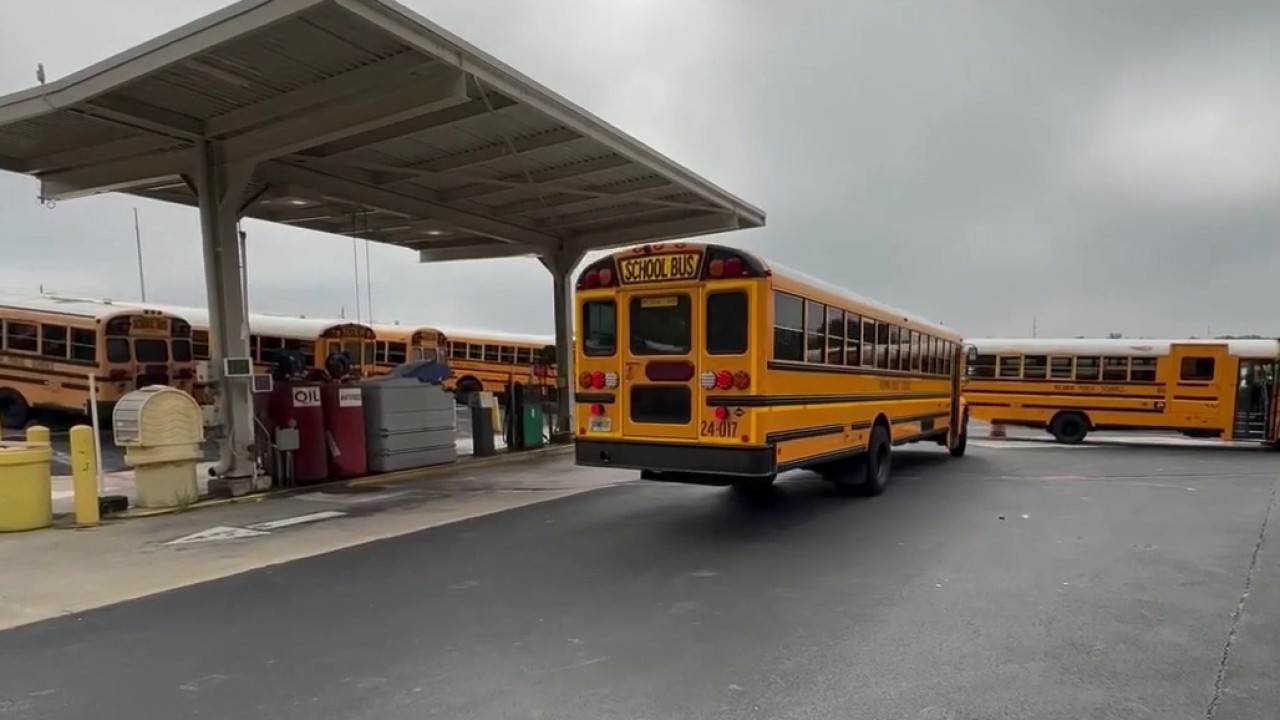
Diesel prices, driven higher by oil-shipment disruptions amid the war involving Iran, are raising costs for public transportation, schools, food delivery and agriculture. Atlanta Public Schools expects to spend about $950,000 more on bus fuel this school year, while Clark County School District projects an additional $2.9 million in fuel expenses. Rhode Island’s transit agency says diesel costs more than 2.5 times the amount budgeted and that sustained high prices could require savings or new revenue. Arkansas Gov. Sarah Huckabee Sanders temporarily authorized eligible farmers and loggers to use tax-advantaged dyed diesel on state highways through Oct. 30 to ease pressure on agricultural costs. An economist warned that prolonged diesel prices above $7 a gallon could worsen inflation and raise borrowing costs.
Key Points
1
Atlanta Public Schools operates 362 buses, more than 220 of them diesel-powered, and pays an average of about $5.63 per gallon—nearly $2 more than last year. The district also said Georgia’s gas-tax suspension does not reduce what schools pay for diesel.
2
Clark County School District says it operates the nation’s largest district-owned bus fleet, with about 1,900 buses. It plans to absorb the new fuel costs through its Central Office budget to protect classroom funding.
3
Arkansas’ dyed-diesel waiver is limited to vehicles owned and operated by people or businesses engaged in agriculture or forestry, primarily used for those purposes, and registered in Arkansas. Dyed diesel is normally restricted to off-road use and is exempt from the federal highway tax.
4
Gov. Sarah Huckabee Sanders said the waiver was intended to help during harvest season as agricultural input costs rise, arguing that higher costs for producers also hurt affordability for consumers.
Sentiment
Mostly NegativeNEGATIVENEUTRALPOSITIVE
Publishers
37
Articles
43
Reach
80
A
AnonymousAuthor


