Rising Fuel Costs
U.S. Fuel Surge Threatens Higher Consumer Prices Amid Continuing Conflict
Anonymous
Key Points
1
GasBuddy analyst Patrick De Haan projected the national gasoline average could reach $4.03 per gallon on Labor Day, exceeding the previous Labor Day record of $3.83 set in 2012.
2
President Donald Trump has accused refiners and fuel retailers of profiting from high pump prices, while also saying Americans should be willing to pay a “tiny little bit more” for gasoline to prevent Iran from obtaining a nuclear weapon.
3
Before the U.S.-Israel war with Iran began in late February, the national average diesel price was about $3.76 per gallon, compared with the record level reported in the article—an increase of more than $2 per gallon.
4
Businesses have begun passing higher diesel costs to consumers through added fees on online orders and mailed packages, while experts warn that prolonged increases could raise prices for products ranging from clothing and cosmetics to furniture.
5
In South Dakota, diesel rose by nearly 10 cents overnight to about $5.38 per gallon, while regular gasoline reached roughly $4 per gallon, illustrating the uneven impact of the national fuel-price surge across states.
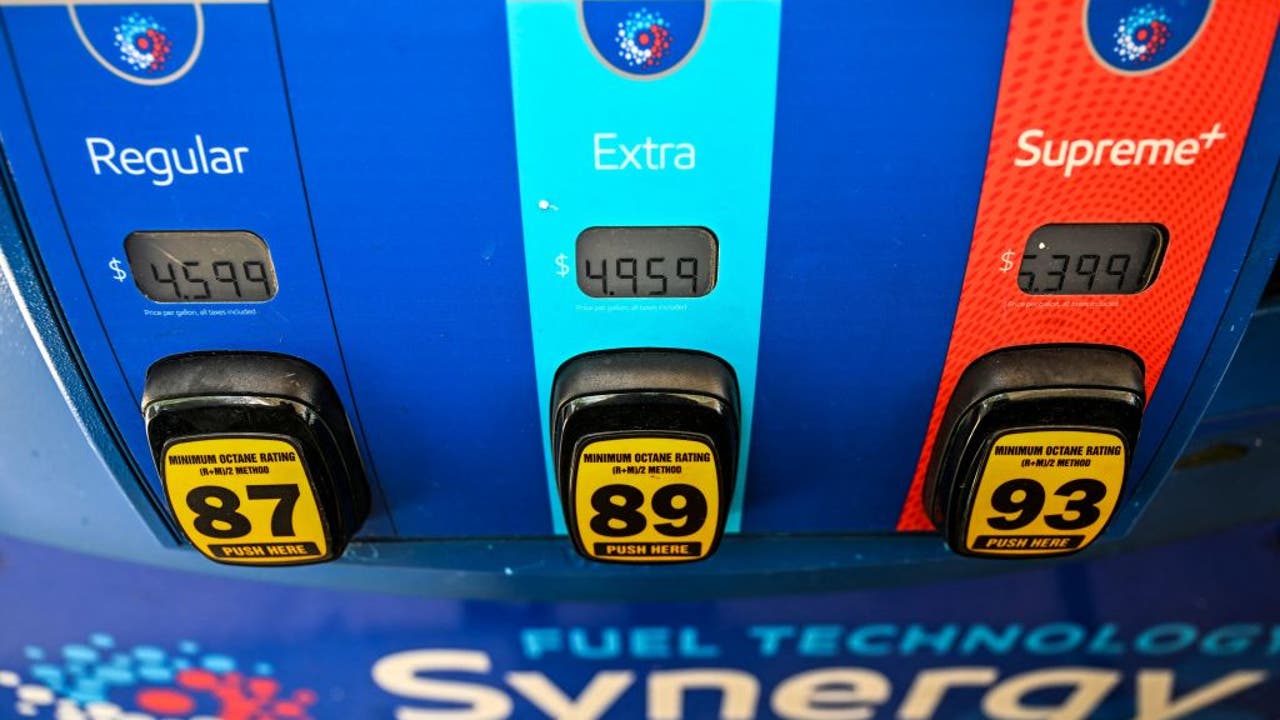
U.S. gasoline prices are surging toward a Labor Day record as the ongoing conflict with Iran disrupts crude oil supplies and slows shipping through the Strait of Hormuz. The national average has climbed to about $4.10 per gallon, with GasBuddy projecting it could hit $4.03 on Labor Day—exceeding the previous 2012 record of $3.83. California drivers face even steeper pain at $5.81 per gallon, up $1.20 from a year ago.
Diesel prices have hit a national record of $5.82 to $5.85 per gallon, a jump of more than $2 since the war began in late February. This surge threatens to ripple through the economy. AAA warns that trucking, farming, construction, and shipping industries will pass higher fuel costs to consumers through delivery fees and higher retail prices for groceries, clothing, and manufactured goods.
Middle East War Disrupts Global Oil Supplies
The U.S.-Israel conflict with Iran has choked off crude oil exports and slowed tankers through the Strait of Hormuz, a critical shipping chokepoint. Before the war began in late February, diesel cost about $3.76 per gallon nationally. Today it's hit record levels above $5.82. Reuters reports that limited refinery capacity and depleted diesel stockpiles have widened profit margins for fuel producers even as crude prices remain below their wartime peak.
California Bears the Heaviest Pump Price Burden
California drivers are paying far more than the national average due to the state's tight regional fuel market and strict environmental rules. The state relies on in-state refineries, has few pipeline connections to other regions, and requires specialized fuel blends. Energy Institute at Haas notes these structural constraints mean California sees larger price jumps than most states when global supplies tighten.
Businesses Begin Passing Fuel Costs to Consumers
Companies in shipping, farming, and retail are absorbing diesel price shocks for now but will gradually shift costs to customers. Delivery services have already added fuel surcharges to online orders and mailed packages. Experts warn that if diesel stays elevated, prices will climb for everything from furniture to cosmetics. In South Dakota, diesel jumped nearly 10 cents overnight to $5.38 per gallon, showing how unevenly the surge hits across regions.
Election Year Pressure as Voters Feel Pump Pain
High fuel prices carry outsized political weight because Americans see them every time they fill up. President Donald Trump has blamed refiners and retailers for profiting while also saying Americans should accept "a tiny little bit more" at the pump to keep Iran from obtaining nuclear weapons. Economists predict the delayed pass-through of diesel costs will keep household inflation pressure rising into the midterm elections, forcing Republicans to address energy security and inflation alongside foreign policy.
Sentiment
Mostly PositiveNEGATIVENEUTRALPOSITIVE
Publishers
16
Articles
82
Reach
98
A
AnonymousAuthor


