Russia, UK Issue Ukraine Travel Warnings
Russia, UK Issue Ukraine Travel Warnings
Anonymous
Key Points
1
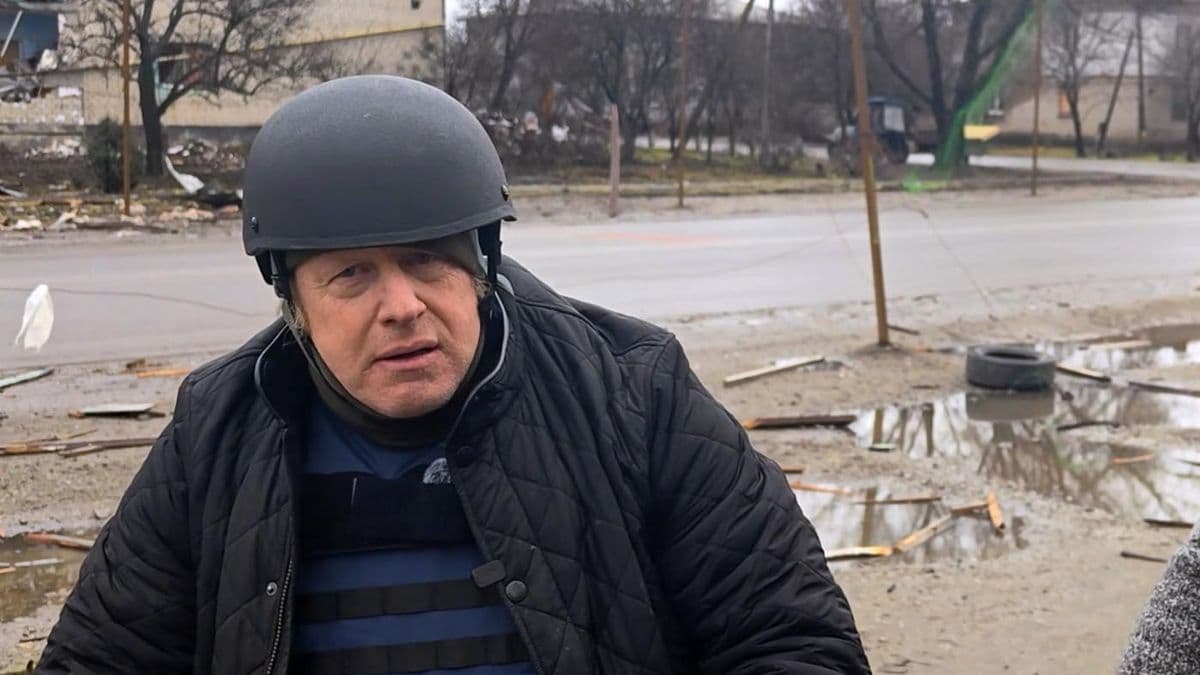
Russian Foreign Ministry spokeswoman Maria Zakharova’s warning followed a drone attack on a passenger train that occurred minutes after a train carrying dignitaries, including former British Prime Minister Boris Johnson and former Swedish Prime Minister Carl Bildt, had passed along the same railway line.
2
Zakharova said Moscow considers railway hubs and transport infrastructure serving the Ukrainian military to be legitimate targets, offering a specific rationale for the heightened danger facing travelers using Ukraine’s rail network.
3
The British travel advisory exempts five western regions—Zakarpattia, Ivano-Frankivsk, Ternopil, Chernivtsi and Lviv—from its strictest warning, though it still advises against all but essential travel there and cautions that missiles, drones and falling debris can reach those areas.
4
Ukraine’s President Volodymyr Zelensky said Ukraine would be ready to halt strikes on Russian territory if allies secured a genuine Russian commitment not to attack Ukraine’s critical infrastructure; the comments followed current president Donald Trump’s claim that Moscow and Kyiv had agreed not to target each other’s energy infrastructure, without further details being provided.
Russia and Britain are warning travelers to avoid Ukraine as Moscow and Kyiv trade relentless missile and drone attacks. The warnings come after a drone strike hit a Ukrainian passenger train minutes after it carried prominent Western figures including former British Prime Minister Boris Johnson Russian Foreign Ministry. Ukraine's airspace remains closed, forcing travelers to use vulnerable rail networks and roads where infrastructure serving the military doubles as a civilian target.
Britain advises against all travel to Crimea and areas near Belarus, while urging people in other regions to seek shelter during air alerts British Foreign Office. Only five western regions—Zakarpattia, Ivano-Frankivsk, Ternopil, Chernivtsi and Lviv—are exempt from the strictest warning, though missiles and drones can still reach those areas British Foreign Office.
Train Strike Prompts Russia's Transport Warning
A drone attack on a Ukrainian passenger train triggered renewed Russian warnings about travel safety. Russian Foreign Ministry spokeswoman Maria Zakharova noted the strike came minutes after a train carrying dignitaries, including former British PM Boris Johnson and former Swedish PM Carl Bildt, passed the same route Russian Foreign Ministry. Moscow views railway hubs and military-serving transport as legitimate military targets.
The timing raised tensions about civilian vulnerability. Zakharova's statement essentially acknowledged that Moscow considers any infrastructure supporting Ukraine's military fair game—even if civilians rely on the same networks Russian Foreign Ministry. This rationale explains why Ukraine's rail system remains under constant threat.
UK Carves Out Limited Safe Zones in Western Ukraine
Britain's advisory creates a narrow corridor of relative safety in Ukraine's far west. Five regions—Zakarpattia, Ivano-Frankivsk, Ternopil, Chernivtsi and Lviv—face less restrictive warnings British Foreign Office. However, even these zones remain under risk as missiles and falling debris can travel long distances from front-line areas.
Elsewhere, the UK urges heightened vigilance and immediate shelter when air alerts sound British Foreign Office. Crimea and border areas near Belarus receive absolute travel warnings. The distinction reflects geography—western regions sit farther from combat zones but remain within potential strike range.
Closed Skies Force Travelers Into Ground Danger
Ukraine's closed civilian airspace means all travelers must move overland through a country under aerial bombardment. This constraint forces reliance on rail and roads that Moscow explicitly targets for military support Russian Foreign Ministry. Limited emergency assistance compounds the danger for stranded or injured travelers.
Infrastructure disruptions create cascading risks beyond strikes. Power outages, damage to hospitals, and overwhelmed services leave travelers with minimal support if accidents or medical crises occur British Foreign Office. The combination of active combat, closed airspace, and degraded services makes Ukraine exceptionally hazardous for any non-essential visitors.
Zelensky Proposes Mutual Infrastructure Truce
Ukraine's President Volodymyr Zelensky offered a potential path to reduce civilian danger. He said Ukraine would halt strikes on Russian territory if Moscow committed to stopping attacks on Ukrainian critical infrastructure President Zelensky's statement. The proposal emerged after US President Donald Trump claimed both sides had agreed not to target energy infrastructure, though details remain unclear.
Such an agreement could ease travel conditions by protecting power grids, water systems, and transport links from military targeting. However, implementing verification remains difficult in an active conflict. Civilian safety depends on whether both sides view infrastructure protection as genuinely achievable President Zelensky's statement.
Sentiment
Mostly NegativeNEGATIVENEUTRALPOSITIVE
Publishers
23
Articles
40
Reach
63
A
AnonymousAuthor