Russian Nuclear and Infrastructure Threats
Russian Officials Issue Nuclear Warnings and Direct Threats Against UK Infrastructure
Anonymous
Key Points
1
When asked whether Moscow might strike British military facilities in response to UK arms supplies to Ukraine, Vladimir Putin replied: “That’s a secret. A military secret.”
2
Russian state television presenter Vladimir Solovyov explicitly called for attacks on European shipping, saying: “We should seize the ships of Norway, Britain and France. If we can’t seize them, we should sink them.”
3
UK national security adviser Jonathan Powell argued that Russian escalation should be viewed not simply as a danger but as evidence that sanctions are working, saying it was “not a problem” but a “sign of success.”
4
Former Russian president Dmitry Medvedev said Moscow’s nuclear threats were “not a scare tactic” but “reality,” and warned that Western actions had created circumstances capable of triggering a Third World War.
5
The undersea-cable warning came after the Russian vessel was reportedly forced away before carrying out the suspected seabed-disabling test; Russia has consistently denied involvement in sabotage operations against NATO countries, while Britain’s Ministry of Defence declined to comment on the specific operation.
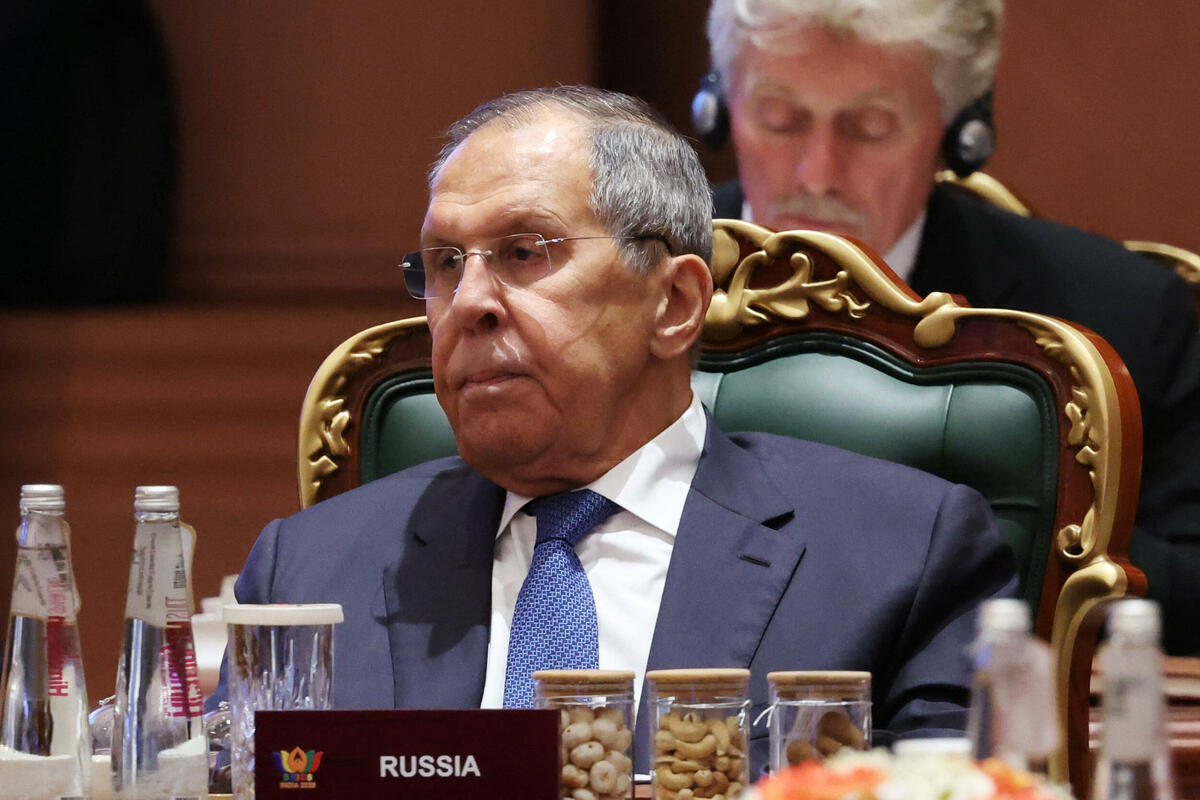
Russia is escalating threats against Britain and its European allies, with Kremlin officials warning of potential nuclear confrontation and attacks on Western infrastructure. Times of India reported that Russian Foreign Minister Sergey Lavrov said any European attack on Russia would result in a "very short" war, while Russian state television presenter Vladimir Solovyov explicitly called for attacks on British, Norwegian, and French ships, saying "We should seize the ships of Norway, Britain and France. If we can't seize them, we should sink them."
Security officials warn Russia is targeting Britain's critical infrastructure, including the roughly 60 undersea cables that carry most of the UK's international data. A Russian vessel allegedly rehearsed methods for disabling these cables near Svalbard before British, U.S., and Norwegian forces disrupted the operation. Zero Hedge reported that Russian officials have issued increasingly aggressive warnings in response to Western military support for Ukraine, though experts caution that rhetoric does not necessarily indicate imminent attacks.
Putin Sidesteps Question on British Military Strikes
When asked directly whether Russia would attack British military facilities in response to UK weapons deliveries to Ukraine, President Vladimir Putin gave an evasive reply: "That's a secret. A military secret." The response left ambiguity about Moscow's intentions while signaling that retaliation options remain on the table. Putin's refusal to rule out strikes sent a message to Western allies that escalation risks are real.
Medvedev Claims Nuclear Threats Are Not Bluffs
Dmitry Medvedev, Deputy Chairman of Russia's Security Council, stated that Moscow's nuclear warnings are not scare tactics but actual policy. He told Vijesti that Russia has "every right to respond to a critical threat to our sovereignty" and warned that Western backing of long-range Ukrainian strikes risks triggering World War III. Medvedev emphasized that Russia's expanded nuclear doctrine now covers scenarios where non-nuclear states attack with support from nuclear powers.
Undersea Cable Attack Reveals Infrastructure Vulnerability
A Russian naval vessel was reportedly caught attempting to rehearse methods for disabling undersea telecommunications cables near Svalbard, a strategically sensitive Arctic region. Joint British, U.S., and Norwegian forces disrupted the alleged operation before it could proceed. The UK relies on approximately 60 subsea fiber-optic cables for the vast majority of its international data traffic, making them prime targets for Russian sabotage.
Disrupting these cables would cripple banking systems, energy supplies, communications networks, and essential public services across Britain and Europe. Security analysts warn that such attacks represent a low-cost, high-impact strategy that stays below the threshold of triggering NATO's collective defense clause. Russia has consistently denied involvement in any undersea sabotage operations against NATO countries.
UK National Security Adviser Urges Europe to Resist Russian Pressure
Jonathan Powell, Britain's National Security Adviser, urged European leaders to accept economic hardship and maintain sanctions on Russian energy rather than ease pressure by resuming gas purchases. At the Yalta European Strategy conference, Powell said Western allies must "swallow" the pain of sustained economic pressure: "It will require some real hardship and difficulties on our parts... But we will have to swallow that and we have to keep the economic, military, political and diplomatic support going for Ukraine."
Powell reframed Russian escalation as a positive sign. He argued that Moscow's increasingly aggressive threats are evidence that Western sanctions are working and squeezing the Russian economy effectively. However, Powell acknowledged that Ukraine faces a critical shortage of air-defense missiles, a weakness Russia continues to exploit with drone and missile strikes.
Sentiment
Mostly NegativeNEGATIVENEUTRALPOSITIVE
Publishers
42
Articles
63
Reach
105
A
AnonymousAuthor


