Asian Aviation Disruption
Major Asian Aviation Hubs Record Thousands of Flight Delays and Cancellations
Anonymous
Key Points
1
In the 24-hour disruption episode, Delhi’s Indira Gandhi International Airport recorded 596 delays and five cancellations, the highest delay total among the airports covered. Mumbai recorded 203 delays and two cancellations, while Bengaluru reported 92 delays and two cancellations.
2
Indian carriers were significantly affected: IndiGo reported 449 delayed flights, equal to 22% of its operations, while Air India Express recorded 121 delays and a 26% delay rate. Akasa Air reported 31 delays and four cancellations, and SpiceJet had a 58% delay rate and seven cancellations.
3
Separate reporting said that 4,804 delays and 206 cancellations were recorded across major Asian hubs over the two-day period of Sept. 11-12, 2026—higher than either of the individual disruption snapshots described in the summary.
4
The region had experienced an even more severe disruption earlier in the month, when volcanic ash was associated with more than 2,900 delays and nearly 600 cancellations.
5
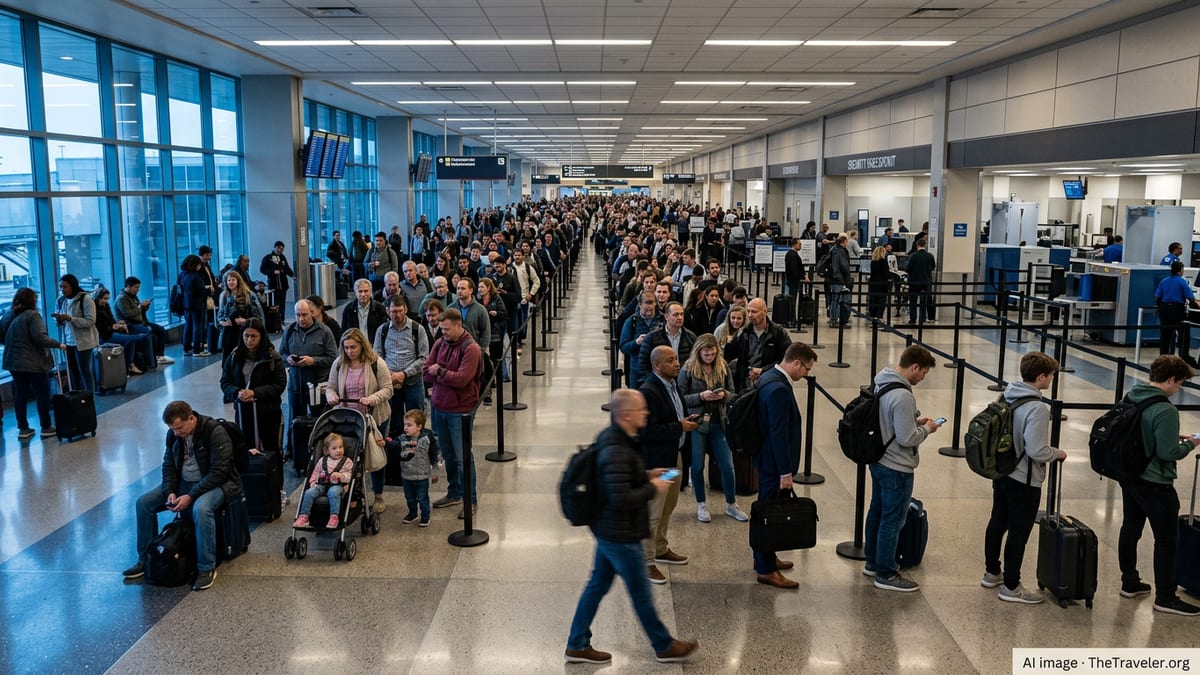
Passenger-facing effects included long check-in and security queues, last-minute gate or schedule changes and pressure to monitor flight status through airline websites and mobile apps; carriers also advised travelers to arrive early.
Asia's major aviation hubs face a cascading crisis. In a single 24-hour window, airports across the region recorded 4,153 delays and 136 cancellations, with Delhi's Indira Gandhi International Airport accounting for 596 of those delays. The Traveler reported that weather, air-traffic constraints, infrastructure strain, and congested schedules have combined to disrupt services across 22 major hubs including Singapore, Jakarta, Bangkok, Tokyo, and Hong Kong.
The disruptions have rippled across airlines and passengers alike. Indian carriers bore the brunt: IndiGo reported 449 delayed flights representing 22% of its operations, while Air India Express saw 121 delays with a 26% delay rate. SpiceJet faced an even steeper 58% delay rate with seven cancellations, forcing carriers to rebook thousands of passengers and adjust schedules across long-haul routes.
Delhi Bears Heaviest Load Among Major Hubs
Delhi's Indira Gandhi International Airport emerged as the hardest-hit facility, with 596 delays and five cancellations during the disruption window. The Traveler noted the airport's critical role as a major connection point amplified the impact. Mumbai recorded 203 delays and two cancellations, while Bengaluru reported 92 delays and two cancellations. The concentration of traffic at these hubs meant missed connections cascaded outward.
Indian Airlines Hit With Massive Operational Strain
IndiGo, the region's largest carrier, reported 449 delayed flights—equal to nearly a quarter of its scheduled operations. Air India Express recorded 121 delays with an even worse 26% delay rate across its network. Akasa Air reported 31 delays and four cancellations. The Traveler highlighted how budget carriers with tighter schedules absorbed disproportionate impacts.
Wider Pattern of Disruptions Extends Across Two Days
The region faced even broader disruption over September 11-12, 2026, when monitoring reports logged 4,804 delays and 206 cancellations across major Asian hubs. Earlier in the month, volcanic ash triggered more than 2,900 delays and nearly 600 cancellations, underscoring the vulnerability of Asia's interconnected network. The Traveler reported that air-traffic constraints and infrastructure strain remain persistent problems.
Passengers Face Long Queues and Last-Minute Changes
Travelers experienced the chaos firsthand: long check-in and security queues, sudden gate changes, and schedule adjustments announced with minimal notice. Airlines advised passengers to arrive hours early and monitor flight status constantly through websites and mobile apps. The Traveler noted that the concentration of delays at connecting airports meant one disruption triggered hours of downstream chaos.
Sentiment
Mostly NegativeNEGATIVENEUTRALPOSITIVE
Publishers
15
Articles
5
Reach
20
A
AnonymousAuthor


