Deceptive butterfly motion illusions
New study reveals butterfly wing patterns create optical illusions to confuse predators.
Anonymous
Key Points
1
In the touchscreen experiment, 100 volunteers aimed behind the virtual butterflies; the typical tap for the most illusion-inducing patterns landed about 38% of a butterfly’s body length farther back than for the least confusing patterns.
2
The researchers also used a computer program to evolve 50,000 wing patterns and found designs resembling patterns seen in real butterfly species.
3
The researchers argued the illusion may be especially useful for European butterflies, many of which lack the toxicity or unpalatability that protects some North American species, despite being conspicuous to predators.
4
The wing patterns can mislead because butterfly wings deform during flight: they clap together on the upstroke and peel apart on the downstroke, changing the angle and apparent direction of their markings.
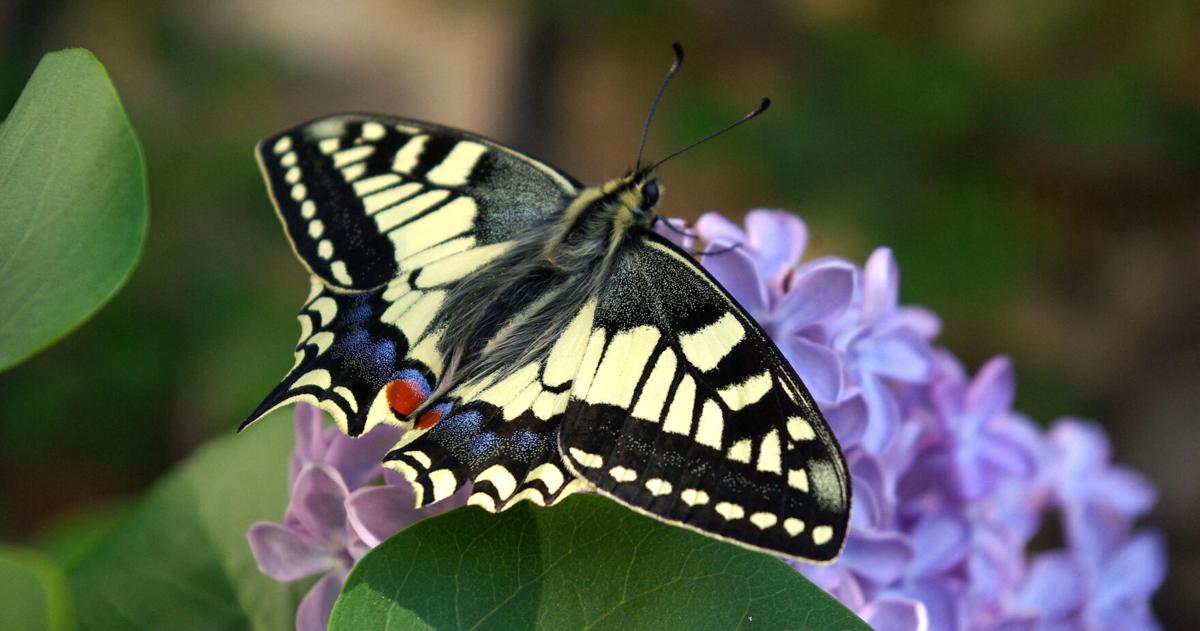
Butterfly wing patterns may be nature's best sleight of hand. A study by researchers at the universities of Exeter and Essex shows that certain wing markings confuse predators' perception of movement, making butterflies appear to move in different directions and speeds than they actually do Auburn Public. The effect works like the barber-pole illusion — a visual trick that makes stripes seem to move in one direction even when they don't.
High-speed recordings of butterfly takeoffs, computer models of bird vision, and simulations of hundreds of species all revealed the same pattern: shifting stripes and spots on wings create misleading motion cues Democrat Herald. In a touchscreen experiment, 100 volunteers chasing virtual butterflies consistently aimed behind them, with errors as large as 38% of a butterfly's body length for the most confusing patterns Dothan Eagle.
How Butterfly Wings Create Illusions
The trick lies in wing movement during flight. Butterfly wings clap together on the upstroke and peel apart on the downstroke Tulsa World. This deformation changes the angle and apparent direction of the markings. To a predator, the wing patterns seem to shift and slide in ways that distort where the butterfly actually is.
The illusion works best with certain patterns — stripes and spots arranged to maximize the motion trick Lee News. When researchers showed test subjects virtual butterflies with different wing patterns, those with the strongest motion illusions produced the largest aiming errors. The least confusing patterns led to much more accurate strikes.
Scientists Evolved 50,000 Wing Patterns in Computers
Researchers used computer programs to test thousands of hypothetical wing designs Auburn Public. They simulated how each pattern would affect a predator's motion perception. After evolving 50,000 variations, the designs that performed best resembled patterns seen in real butterfly species.
This suggests nature has already discovered and refined these motion-dazzle patterns over millions of years Democrat Herald. Butterflies with the most effective illusion-inducing markings would escape more predator attacks and pass those genes to offspring.
Why Conspicuous Butterflies Need This Defense
Many bright butterfly species lack the toxins or bad taste that protect North American relatives from birds Dothan Eagle. European butterflies are often brightly colored but perfectly edible. Without chemical defense, motion illusion becomes crucial for survival.
The wing patterns make these obvious butterflies harder targets Tulsa World. A predator seeing a conspicuous butterfly must aim, but the motion illusion throws off timing and aim. That small advantage could mean the difference between escape and capture Lee News.
Sentiment
Mostly NegativeNEGATIVENEUTRALPOSITIVE
Publishers
17
Articles
210
Reach
227
A
AnonymousAuthor


